SAEDNEWS: Every country has its own laws, some of which may seem strange or confusing to outsiders. While a few are unusual, many reflect the nation's culture, traditions, and social values.

According to Saed News, citing Beytooteh, Every country has its own unique set of laws, and some of them may seem strange or even meaningless to outsiders. While certain rules can be difficult to understand, many are rooted in local customs, cultural values, or practical concerns. Regardless of how unusual they may appear, respecting local laws is essential for avoiding problems while traveling and experiencing different cultures.
Some parts of Spain do not have specific laws banning public nudity. However, the city of Barcelona has introduced regulations that prohibit both full and partial nudity on public streets. Visitors should be aware of these local rules to avoid fines.

Singapore introduced a ban on the sale and import of chewing gum in 1992. The law was enacted because discarded gum caused significant problems for the country's public transportation system, especially train doors, and created maintenance issues in cinemas, residential buildings, and other public places.

In both South Korea and Japan, smartphones are generally required to produce an audible shutter sound whenever a photo is taken. This rule was introduced to help prevent the misuse of camera phones and protect people's privacy after hidden photography became a growing concern.

Sweden has strict naming laws that prohibit certain names for children. Names such as "Superman," "Metallica," "IKEA," and "Elvis" have been rejected because authorities believe they could cause embarrassment, be offensive, or subject children to ridicule as they grow up.

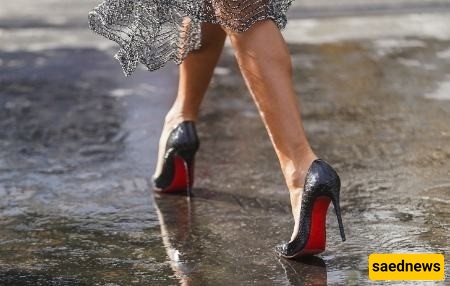
Visitors to many of Greece's archaeological and historical sites are not allowed to wear high-heeled shoes. The rule is designed to protect ancient stone surfaces and monuments from damage caused by narrow heels.
In the Australian state of Victoria, creating unreasonable noise from homes, streets, workshops, or other properties may violate local regulations. Authorities consider factors such as the volume, type of noise, time of day, location, and surrounding circumstances when determining whether the noise is excessive.

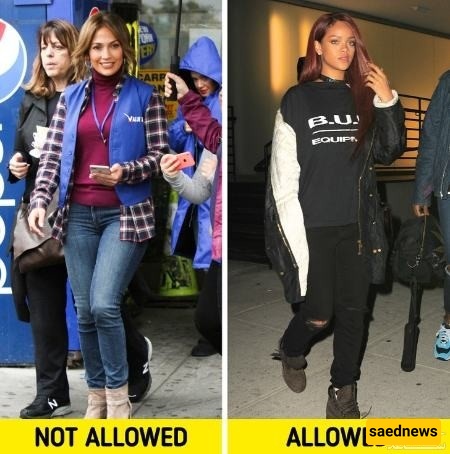
Blue jeans are banned in North Korea because they are viewed as a symbol of Western influence, which the government seeks to limit. The country also imposes restrictions on body piercings and regulates certain hairstyles.
Although some of these laws may seem unusual from an international perspective, they reflect each country's history, cultural values, or public policy priorities. Learning about local regulations before traveling can help visitors avoid unnecessary trouble and enjoy a smoother, more respectful travel experience.