SAEDNEWS: Nikkō Tōshō-gū is the mausoleum of Tokugawa Ieyasu, the founder of the Tokugawa Shogunate. It is one of the most brilliant examples of traditional Japanese architecture and is registered as a UNESCO World Heritage Site.
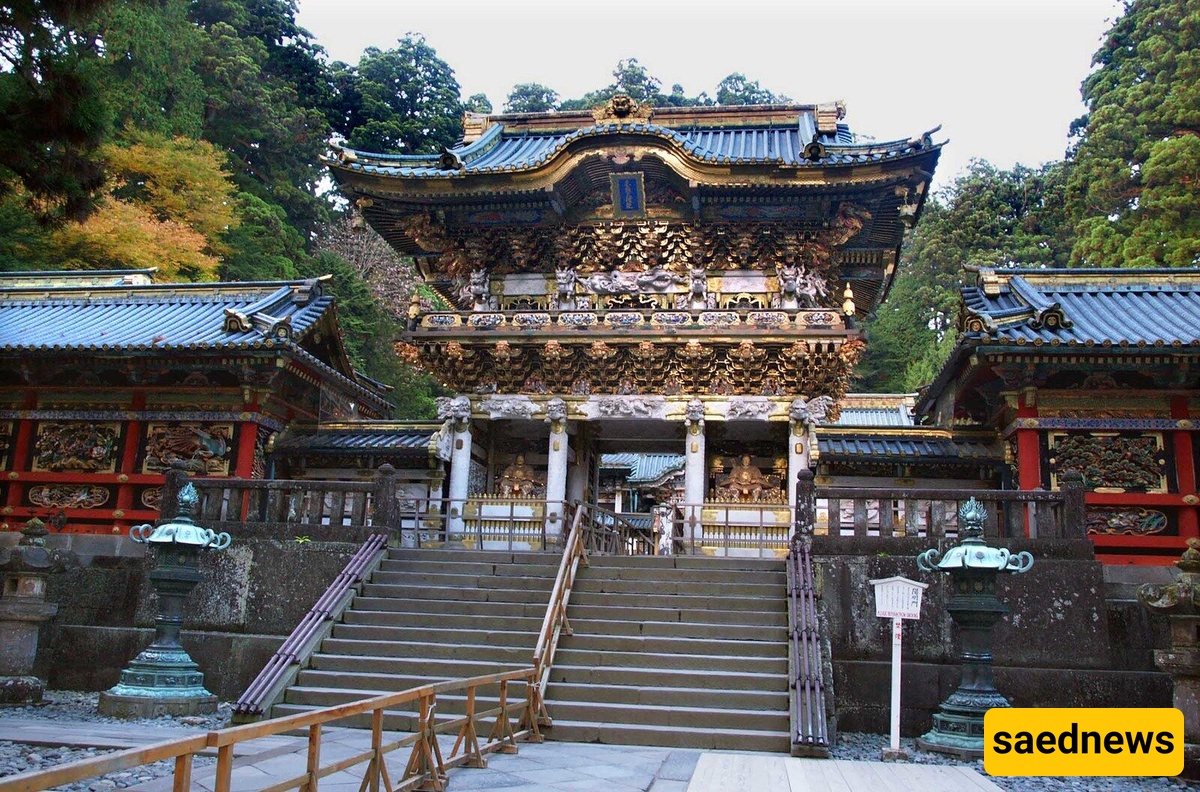
According to Saednews, Tōshō-gū Shrine is one of the most important and beautiful shrines in Japan, located in the city of Nikkō. This shrine was built in memory of the great shogun Tokugawa Ieyasu, the founder of the Tokugawa shogunate. Tōshō-gū is recognized not only for its remarkable architectural beauty but also for its deep historical and cultural significance, attracting both tourists and researchers. This article explores the history, architecture, features, and cultural importance of Tōshō-gū Shrine.
The history of Tōshō-gū Shrine dates back to the 17th century. It was originally constructed in 1617, three years after the death of Tokugawa Ieyasu. Famous architects and artisans of the time were involved in its construction and decoration. The shrine served as a sacred site dedicated to honoring Tokugawa Ieyasu as well as other great figures of Japanese history.
Over the centuries, Tōshō-gū Shrine has undergone several renovations and expansions. The most significant reconstruction took place in 1636, which enhanced its grandeur and artistic richness. During the Meiji period, some elements of the shrine were modified to align with changing cultural and social needs.
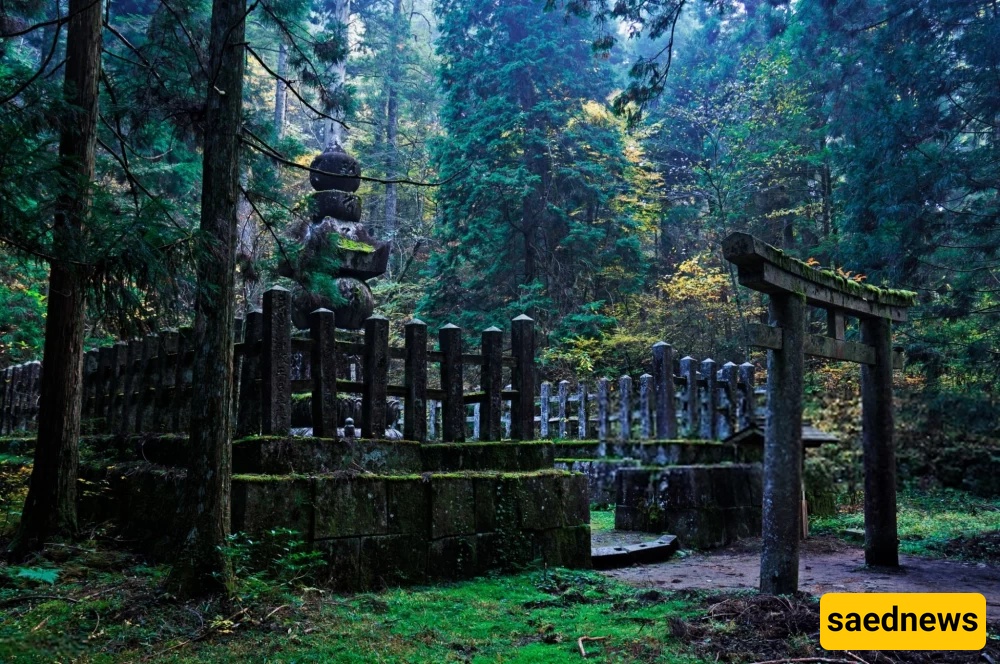
The architecture of Tōshō-gū Shrine represents traditional Japanese design, primarily using wood and stone. The shrine is famous for its detailed ornamentation and intricate craftsmanship. Multiple roofs, grand gates, and beautifully painted carvings make it one of the architectural wonders of Japan.
Yōmeimon Gate: The main entrance of the shrine, known for its vibrant decorations and exceptional carvings, considered one of its most iconic features.
Tomb of Tokugawa Ieyasu: The sacred burial site of Tokugawa Ieyasu, surrounded by stone monuments and memorial structures.
Main Halls: Several halls within the complex are used for religious and cultural ceremonies, each designed for specific purposes.
Tōshō-gū is also renowned for its artistic decorations. Its carvings and paintings depict historical and religious stories. These artworks reflect not only Japanese cultural traditions but also influences from Chinese and other Asian artistic styles.
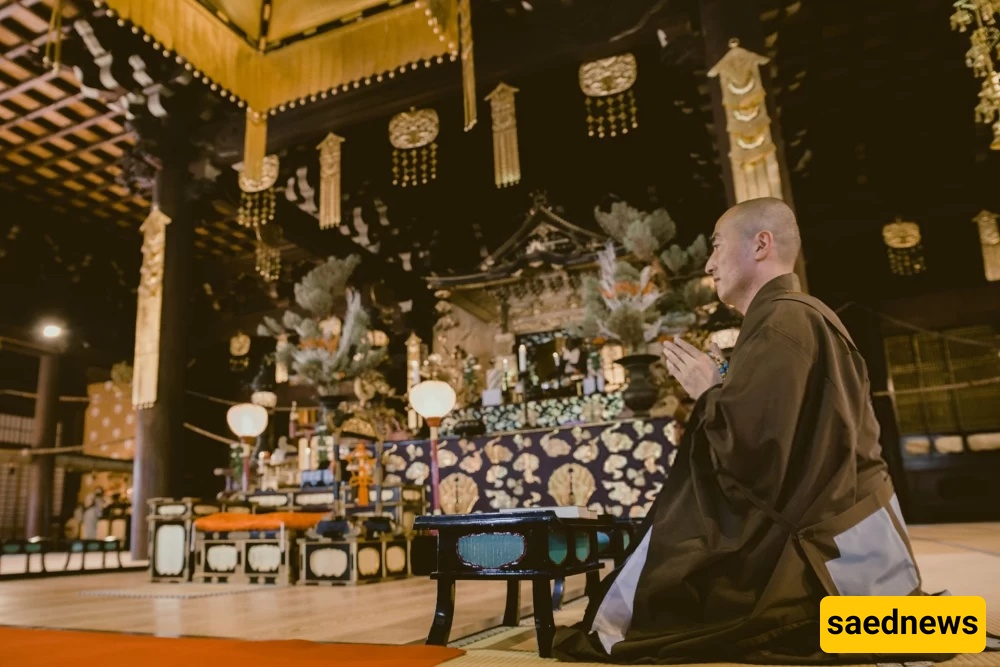
In 1999, Tōshō-gū Shrine was registered as a UNESCO World Heritage Site due to its historical value, architectural excellence, and cultural importance. This recognition has increased its global prestige and attracted more visitors and scholars.
The shrine serves as an important cultural hub in Japan. It hosts various religious ceremonies and cultural festivals throughout the year. These events help preserve traditional practices while also sharing Japanese culture and art with the world.
Tōshō-gū Shrine is one of Japan’s major tourist destinations. Thousands of domestic and international visitors come annually to admire its beauty and experience its spiritual atmosphere. It stands as a key landmark in Japanese history and culture, offering an unforgettable experience for those interested in art, history, and tradition.
Tōshō-gū Shrine is a remarkable example of Japanese architecture and cultural heritage, reflecting the rich and complex history of Japan. With its stunning design, artistic decorations, and deep cultural significance, it is not only a place of worship but also a major tourist and cultural attraction. Preserving this heritage site is essential for future generations, allowing them to appreciate its beauty and historical stories. Tōshō-gū remains a priceless treasure within Japan’s cultural legacy.