SAEDNEWS: In the human world, living to the age of 90 or beyond is considered an exceptionally long life. In the animal kingdom, however, 90 years old can still be considered remarkably young. Some species have life spans so extraordinary that an animal of that age may not even be fully mature.
According to Saed News, citing Bartarinha: In the human world, living to the age of 90 or beyond is considered an impressive lifespan. In the animal kingdom, however, some species can live far longer—so long, in fact, that they are often described as "living fossils." These remarkable creatures have survived for centuries, and in some cases even millennia, thanks to their slow growth, unique biology, and stable habitats. Here are some of the world's longest-lived animals.
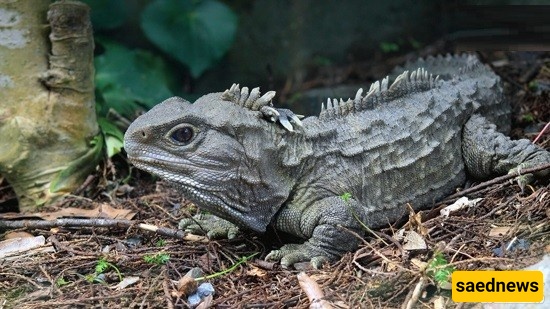
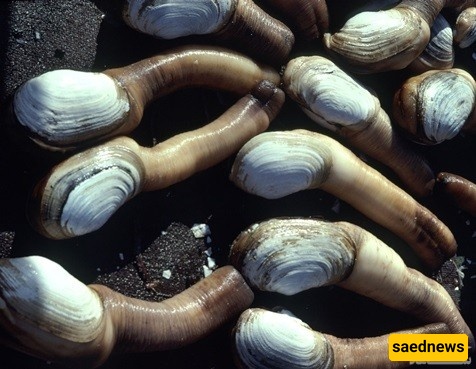
The tuatara is a small reptile native to New Zealand. Although it resembles a lizard, it actually belongs to an ancient lineage that dates back more than 200 million years to the age of the dinosaurs. Today, the tuatara is considered a living fossil. Despite facing threats to its survival, some individuals have been known to live for more than 110 years.
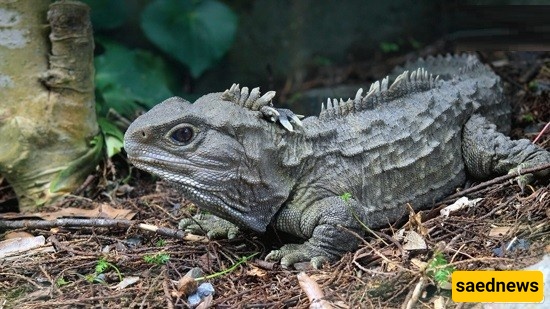
The rougheye rockfish is a slow-growing deep-sea fish with an exceptionally long lifespan. Some individuals have been estimated to live up to 149 years. Unfortunately, overfishing has placed this species at risk, making conservation efforts increasingly important.
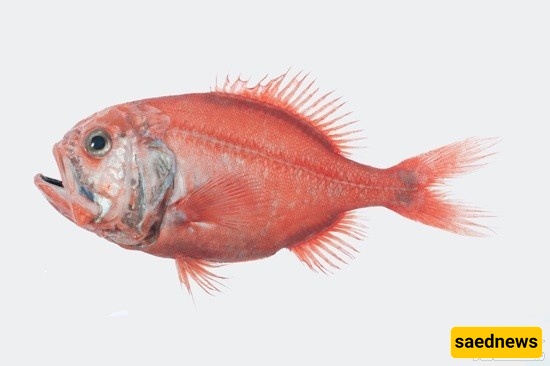
The geoduck clam is native to the west coast of North America. It is easily recognized by its relatively small shell and its long siphon, which extends well beyond the shell itself. Female geoducks are incredibly productive, releasing more than five billion eggs over their lifetime. These remarkable clams can live for around 168 years.
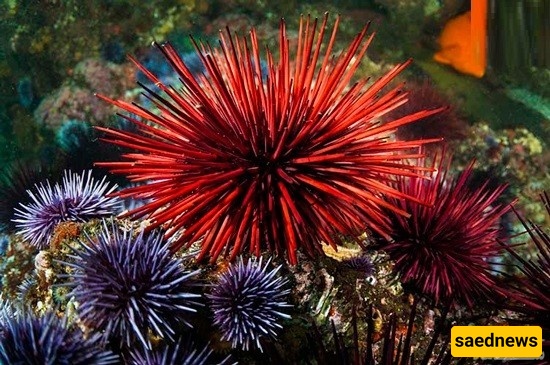
Found exclusively in the Pacific Ocean, the red sea urchin inhabits rocky coastal waters. Its body is covered with sharp spines that provide protection while it moves slowly across the seafloor. Because it ages at an exceptionally slow rate, this species can survive for up to 200 years.
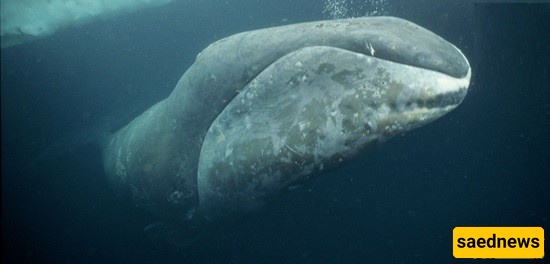
Although not as famous as the blue whale, the bowhead whale possesses several extraordinary characteristics. It has the largest mouth of any animal on Earth and is the longest-lived marine mammal known. Many individuals live for more than 200 years, and the oldest confirmed bowhead whale reached an estimated age of 211 years.
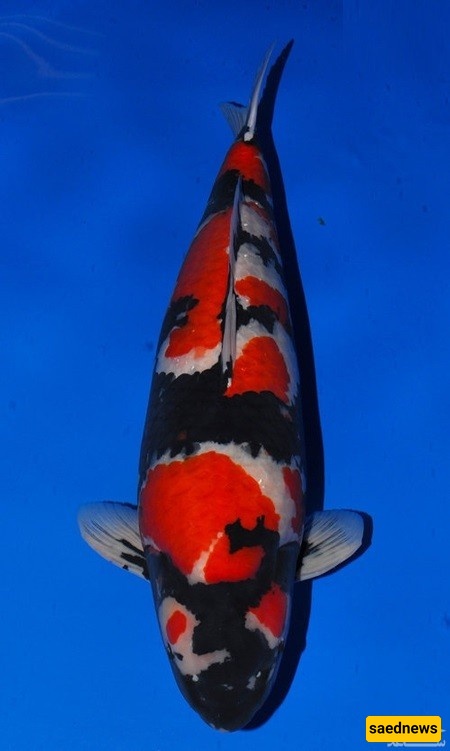
Most koi carp live for around 50 years, but one legendary scarlet koi named Hanako became famous for its extraordinary lifespan. Hanako reportedly lived to the age of 226 years, making it one of the oldest fish ever recorded. The reasons behind its exceptional longevity remain uncertain, although many people attribute it to excellent care, a peaceful environment, and the clean mountain waters of Japan.
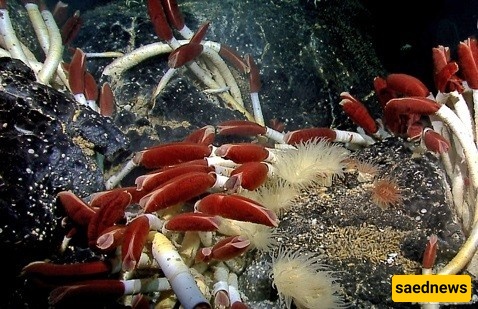
These giant tube worms inhabit the deep waters of the Gulf of Mexico. They can grow to lengths exceeding 10 meters (33 feet) and are known for their extremely slow aging process. Some individuals are believed to live for as long as 250 years.
Giant tortoises are famous for their remarkable longevity. One particularly well-known Aldabra giant tortoise, Adwaita, reportedly lived to the age of 225 years. Many scientists regard it as one of the oldest land animals ever documented.
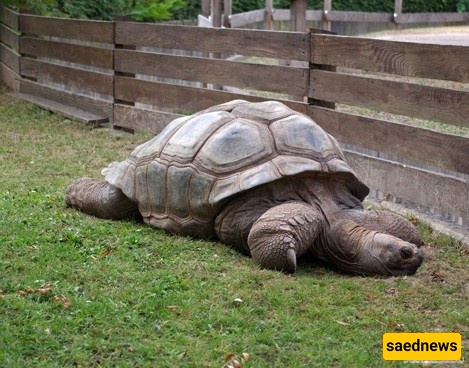
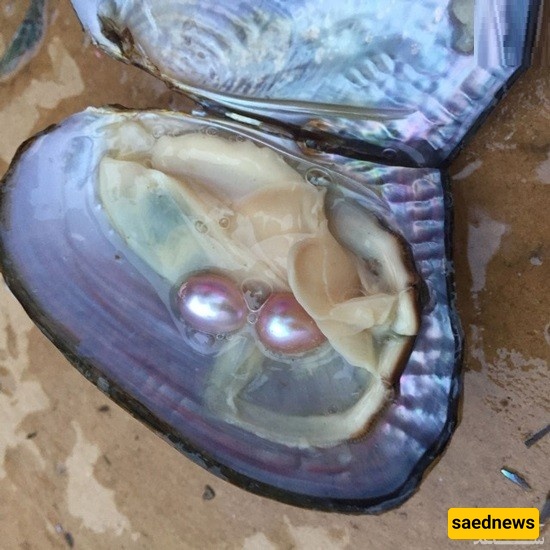
The freshwater pearl mussel is another long-lived species, typically surviving between 86 and 102 years, depending largely on environmental conditions such as water quality. The oldest known freshwater pearl mussel is estimated to have lived for an astonishing 280 years.
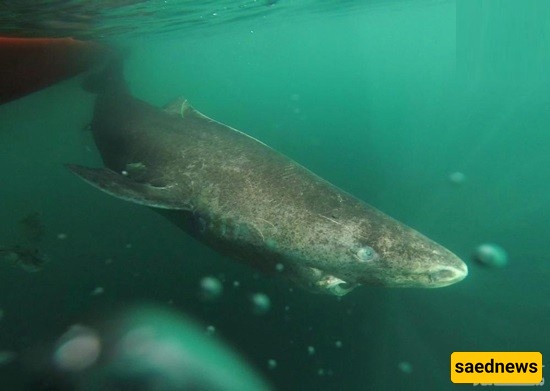
The Greenland shark is not only one of the most mysterious-looking sharks but also the longest-lived vertebrate on Earth. These sharks do not reach sexual maturity until around 150 years of age and are believed to commonly live for approximately 400 years, with some estimates suggesting even greater longevity.
The ocean quahog is a long-lived edible clam whose shell forms a new growth ring each year, allowing scientists to estimate its age accurately. One famous specimen, nicknamed Ming, was found to be 507 years old, making it one of the oldest animals ever recorded.

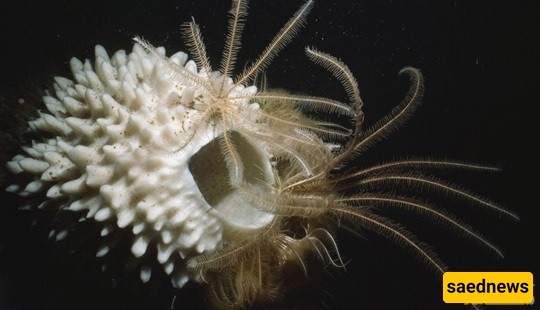
Scientists believe Antarctic sponges owe their extraordinary longevity to the freezing temperatures of the Southern Ocean and their extremely slow growth rates. Some estimates suggest that the oldest individuals may live for as long as 1,550 years, making them among the oldest living animals on Earth.
From ancient reptiles and deep-sea fish to giant whales, sharks, clams, and sponges, these extraordinary species demonstrate that life on Earth can persist for centuries—and sometimes even more than a thousand years. Their exceptional lifespans continue to fascinate scientists, offering valuable insights into aging, evolution, and the resilience of life in some of the planet's most challenging environments.