SAEDNEWS: The Auschwitz-Birkenau State Museum in Poland, located on the site of the largest Nazi concentration camp, preserves historical artifacts and documents. It keeps alive the memory of Holocaust victims and works to educate future generations about the devastating consequences of hatred and discrimination.
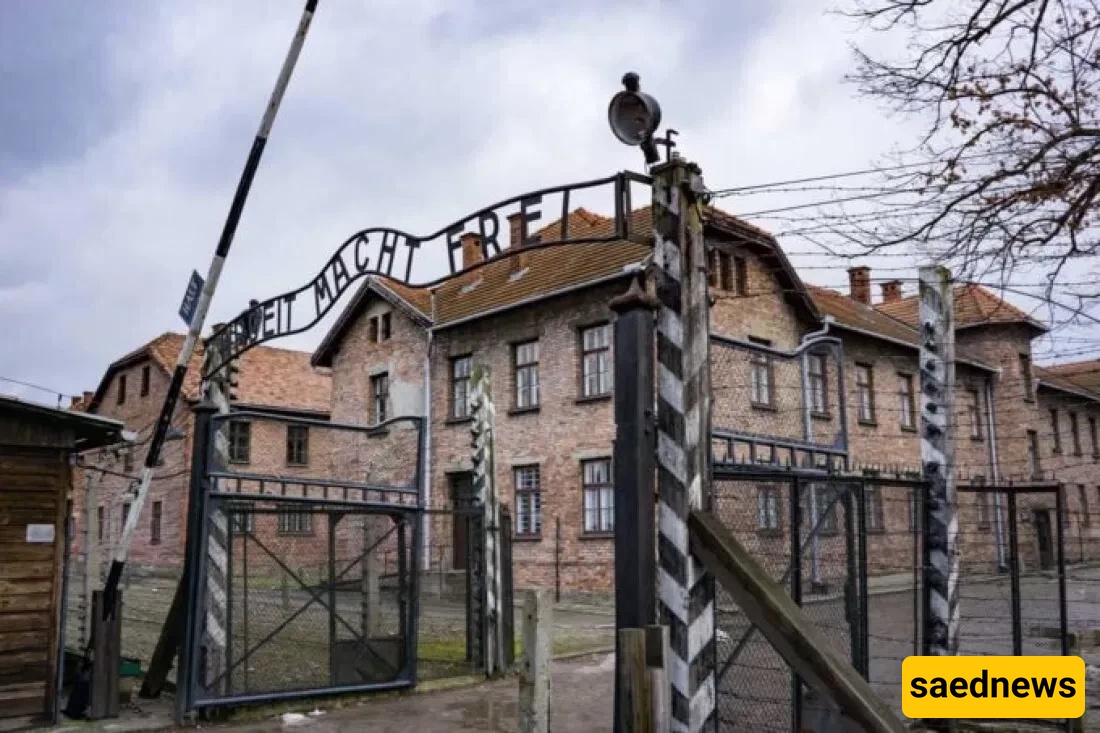
According to Saednews, The Auschwitz Museum, recognized as one of the most important and influential memorial sites in the world, stands as a symbol of humanity’s tragic history and the devastating impact of wars and genocide. Located in Poland, this site once served as the largest Nazi concentration camp during World War II and now functions as a museum and educational center dedicated to remembering and honoring the victims of this tragedy.
Auschwitz is located near the city of Kraków in Poland. It was established in 1940 by the Nazi regime as a concentration camp. Over time, it expanded into three main camps: Auschwitz I, Auschwitz II (Birkenau), and Auschwitz III (Monowitz). More than one million people—including Jews, Poles, Roma, and others—were killed in these camps.
After the end of World War II, in 1947, the Auschwitz Museum was established as a memorial site. Its purpose was to preserve the memory of the victims and educate future generations about the dangers of hatred and discrimination. By preserving historical artifacts and documentation from the camp, the museum allows visitors to better understand the harsh realities of that era.
The State Museum Auschwitz-Birkenau (Polish: Państwowe Muzeum Auschwitz-Birkenau) is located on the grounds of the former Nazi camp in Oświęcim (German: Auschwitz), Poland. It includes the original concentration camp Auschwitz I and the remains of the extermination and labor camp Auschwitz II-Birkenau. Auschwitz concentration camp
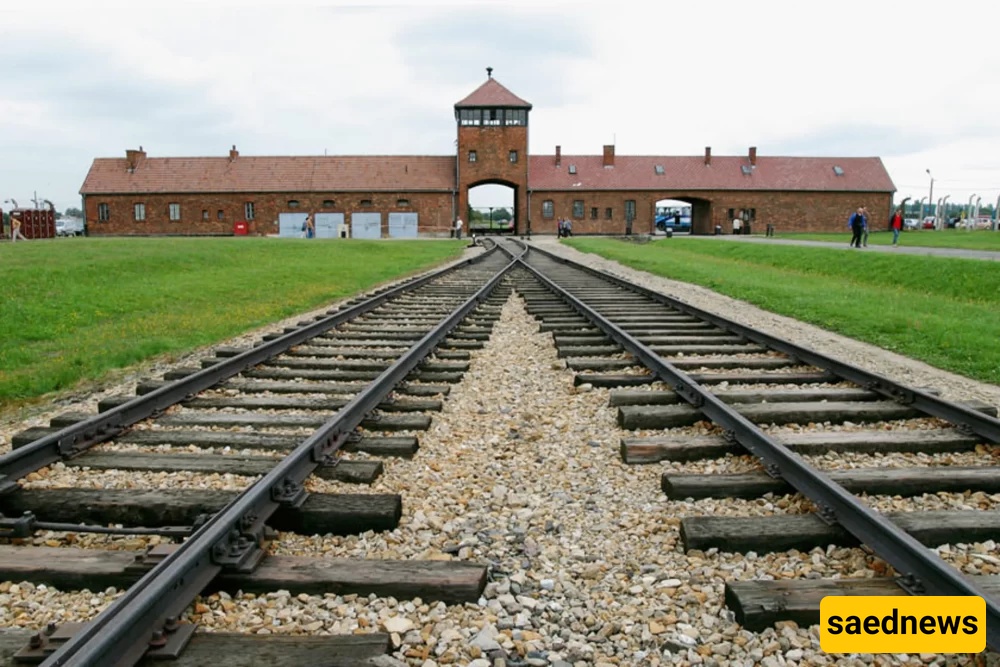
The museum serves as a memorial site that preserves the history of the genocide of Jews and other persecuted groups. Through artifacts, documents, and survivor testimonies, it ensures that this history is never forgotten.
Education is one of the museum’s main goals. Through workshops, seminars, and educational programs, it helps students and visitors understand the historical events and their impact on modern society and culture. The museum provides reliable and well-documented information about the Holocaust.
Another key mission of the museum is to oppose hatred and discrimination. By teaching about the consequences of such ideologies, it aims to prevent history from repeating itself and promote a more tolerant society.
The museum is divided into several sections, each focusing on different aspects of the Nazi camps:
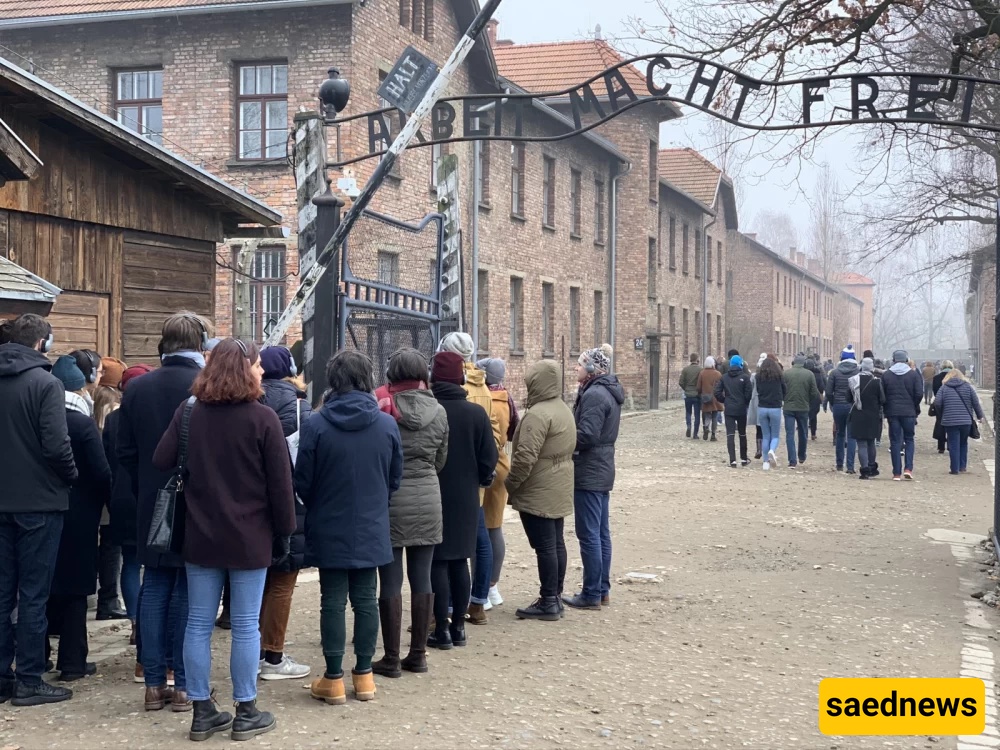
This section contains the original camp buildings and various exhibitions. Visitors can learn about the history of the camp, living conditions, and death within it. Exhibits include photographs, documents, and personal belongings of victims.
This is the largest and most infamous section, known for the massive number of victims. Visitors can see the remains of barracks and structures and learn about the brutal conditions and methods of extermination used there.
This section functioned primarily as a forced labor camp and includes exhibits related to forced labor and working conditions during that time.
The Auschwitz Museum not only preserves history but also has a profound social impact. A visit can evoke empathy and a deeper understanding of human history. Through cooperation with international organizations, the museum works toward building a world free from hatred and discrimination.
The Auschwitz Museum carries a heavy responsibility as a reminder of human suffering. By preserving history and providing education, it ensures that future generations understand the catastrophic consequences of hatred and intolerance. Visiting the museum is not only an opportunity to learn about history but also to reflect on human and social values today. Ultimately, it stands as a symbol of the ongoing pursuit of peace and coexistence.