SAEDNEWS: Haghpat Monastery, a historic structure dating back to the 10th century, is not only an architectural gem but also a powerful symbol of Armenia’s cultural and religious identity. It is listed as a UNESCO World Heritage Site.
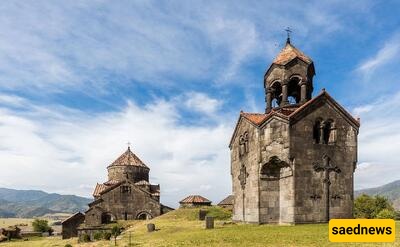
According to Saednews, Haghpat Monastery is an Armenian Apostolic monastery located in the village of Haghpat, in northern Armenia. Its construction was completed between the 10th and 13th centuries, and it is considered one of the finest examples of Armenian architectural style.
Haghpat Monastery was founded in the late 9th and early 10th centuries by a group of Armenian monks. Over time, it developed into an important religious and educational center in medieval Armenia.
Throughout different historical periods, the monastery played a key role in preserving Armenian culture, religion, and scholarly traditions. Despite political changes and historical challenges, it has maintained its identity and significance.
One of the most notable aspects of Haghpat Monastery is its long-standing role as a center of learning. It was known for the copying, preservation, and translation of religious and scientific manuscripts.
Monks living in the monastery contributed to theological and scholarly works, helping to spread knowledge across Armenia and beyond. Because of this, Haghpat became one of the most influential intellectual centers in the region during the Middle Ages.
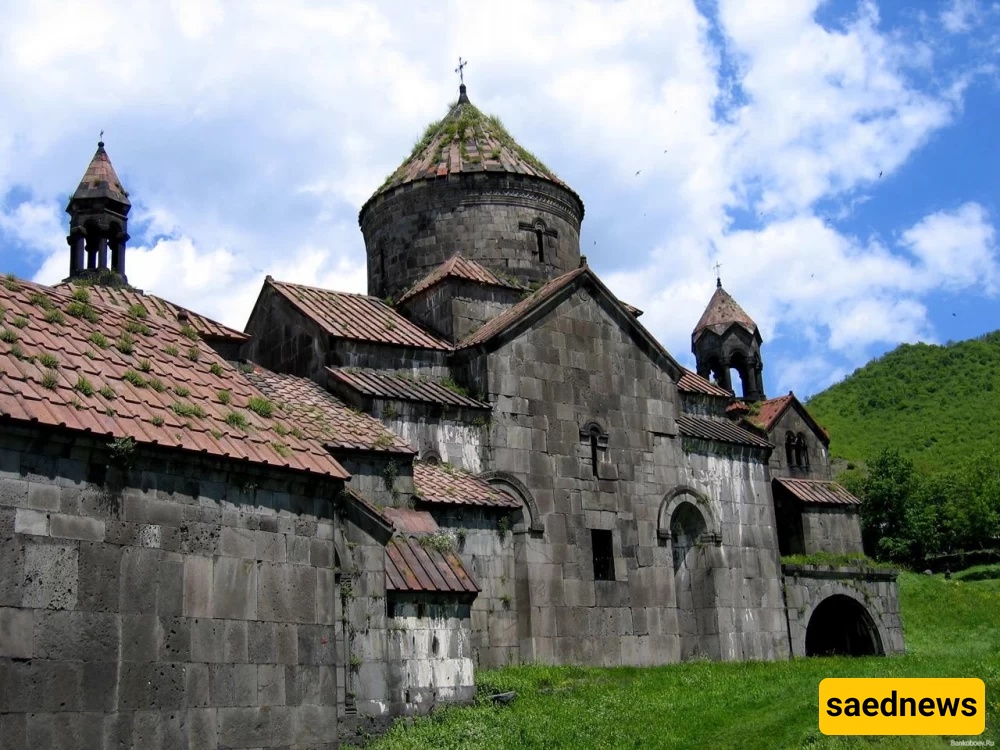
The architecture of Haghpat Monastery reflects traditional Armenian design, built primarily from locally sourced natural stone.
The complex includes several churches, monastic cells, and auxiliary buildings arranged in a harmonious layout. The interiors are decorated with artistic carvings and religious frescoes.
Key architectural features include:
Domes and vaulted ceilings
Large arched openings and windows
Intricate stone carvings on walls
Interior courtyards and green spaces
The combination of these elements creates a peaceful and spiritual atmosphere. The detailed masonry work highlights the artistic skill of medieval Armenian builders.
Haghpat Monastery is considered a powerful symbol of Armenian identity, culture, and spiritual heritage. It is recognized internationally as a UNESCO World Heritage Site, reflecting its global cultural importance.
Religious ceremonies and cultural events are still held at the monastery, including traditional liturgical services and occasional cultural performances that celebrate Armenian heritage.
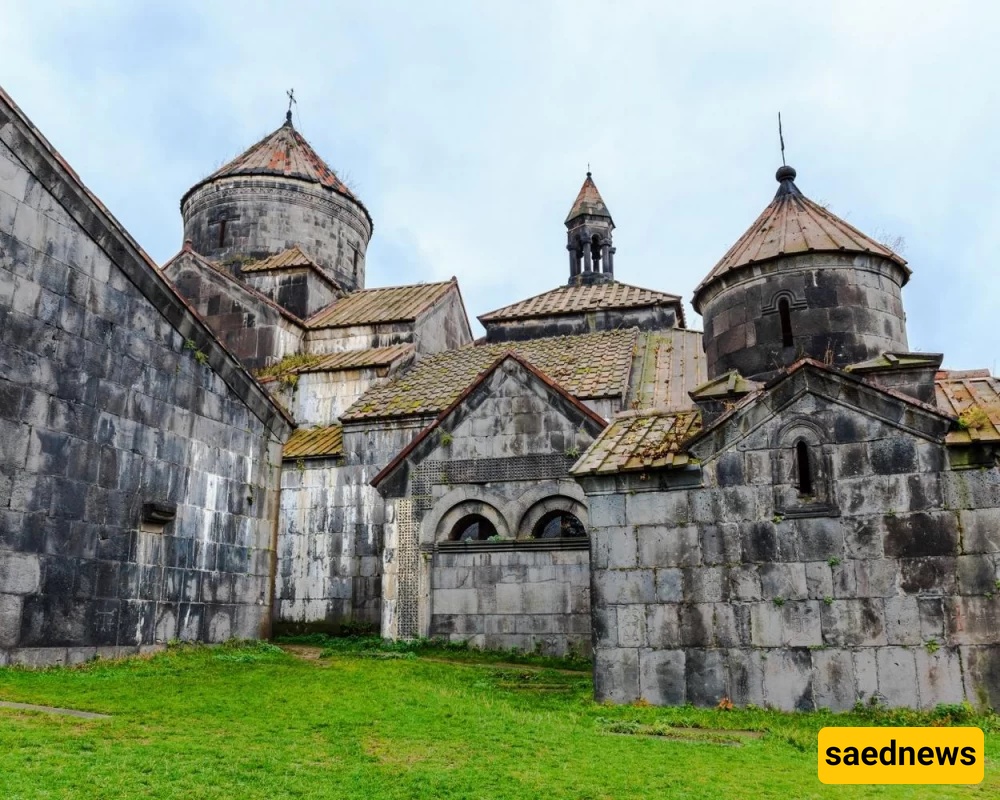
Haghpat Monastery is located in northern Armenia, near the town of Alaverdi. It is accessible via main roads and mountainous routes, making the journey itself a scenic experience.
Visitors can enjoy:
Stunning mountain landscapes
Peaceful natural surroundings
Detailed exploration of ancient architecture
A quiet and spiritual atmosphere
The combination of history and nature makes it a popular destination for travelers interested in culture, religion, and heritage tourism.
Haghpat Monastery is a cultural and historical jewel of Armenia. Its long history, architectural beauty, and educational significance make it an important landmark not only for Armenians but also for global cultural heritage.
Preserving such monuments is essential for future generations, as they represent the identity, memory, and artistic achievements of a nation. Today, Haghpat Monastery remains one of the most remarkable tourist and cultural destinations in Armenia, continuing to inspire visitors from around the world.