SAEDNEWS: Located in southern Siberia, Russia, Lake Baikal is the deepest and oldest freshwater lake in the world. It is famous for its unique ecosystem, crystal-clear waters, and spectacular natural beauty.
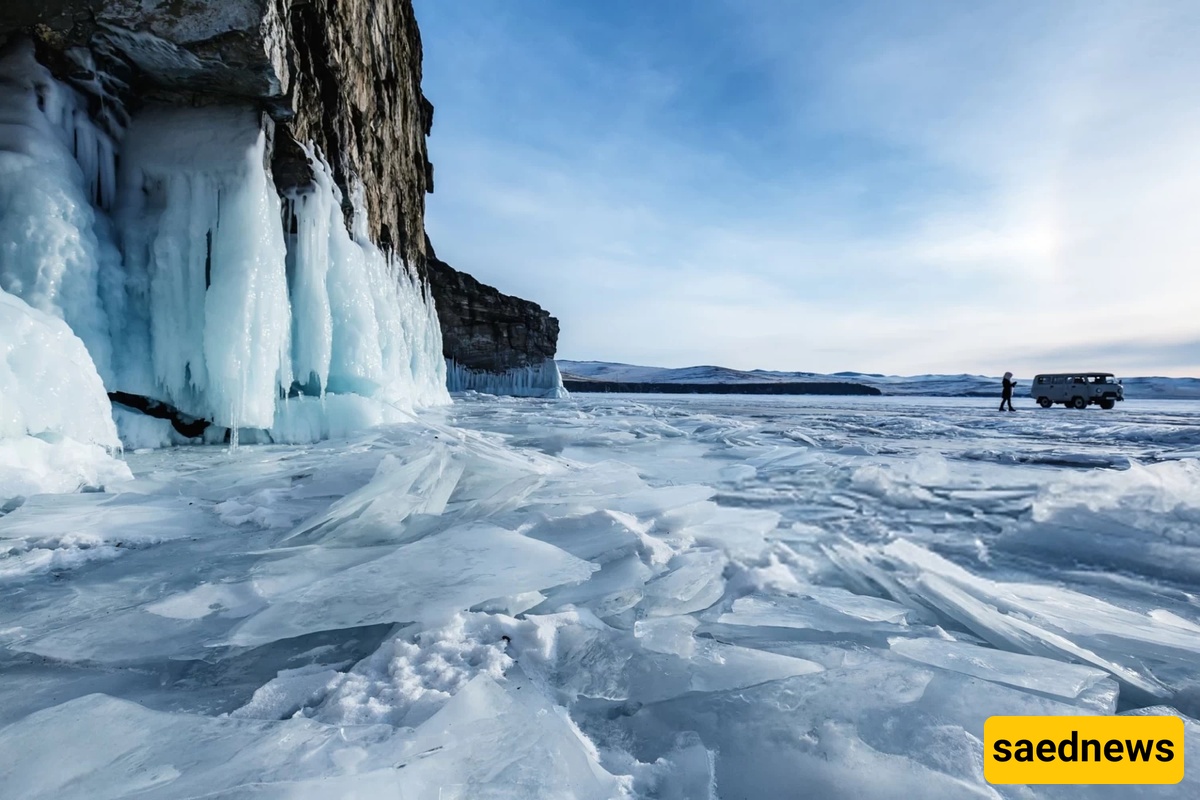
According to Saednews, Lake Baikal, located in southern Siberia, Russia, is not only the deepest and oldest freshwater lake on Earth, but also one of the planet’s most remarkable natural treasures. With a depth of 1,642 meters (5,387 feet) and an age estimated at over 25 million years, it contains approximately 20% of the world’s unfrozen freshwater reserves and supports a unique ecosystem found nowhere else on Earth.
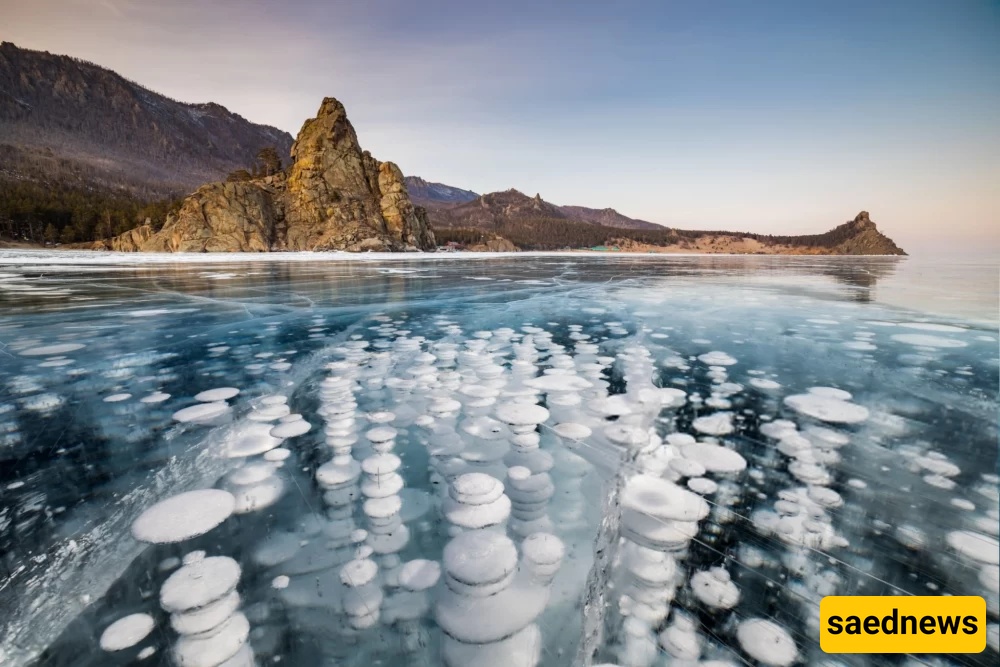
Lake Baikal lies about 640 kilometers (398 miles) southeast of the city of Irkutsk and is often referred to as the “Sacred Sea” by local communities. Stretching 636 kilometers (395 miles) in length and up to 79 kilometers (49 miles) in width, the lake covers an area of roughly 31,500 square kilometers (12,162 square miles).
Nestled within a mountainous region, Baikal is surrounded by the dramatic ranges of Siberia, creating breathtaking natural scenery. More than 300 rivers and streams flow into the lake, while the Angara River is the only river that flows out of it.
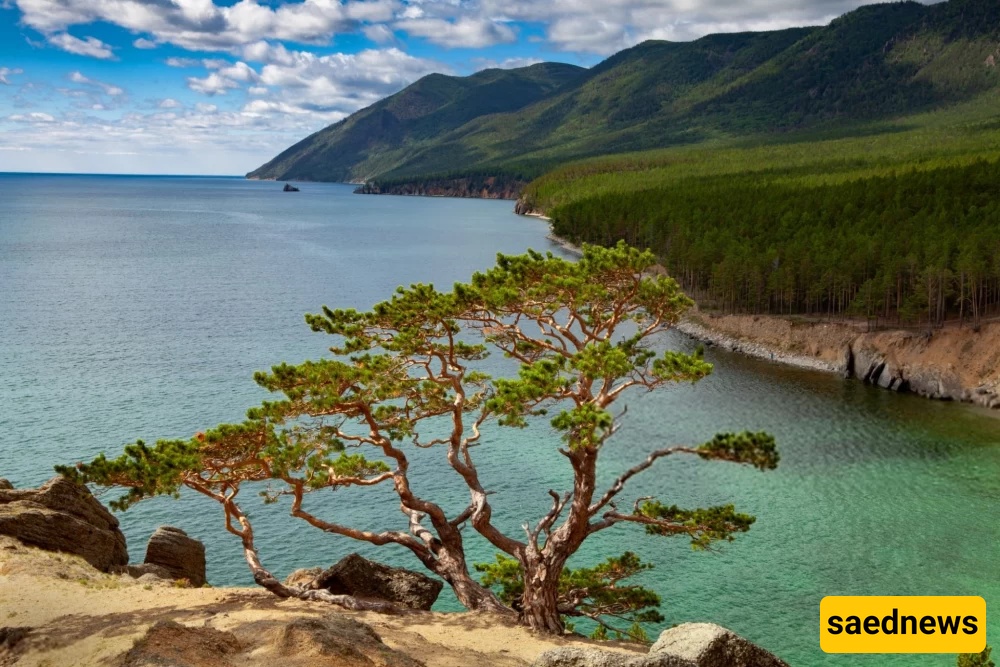
Lake Baikal is renowned for its extraordinary biodiversity. The lake is home to more than 1,700 species of plants and animals, many of which are endemic and found nowhere else in the world.
Among its most famous inhabitants is the Baikal seal, or nerpa, the world’s only freshwater seal species. The lake also supports a wide variety of fish, including the omul and several other unique species that have adapted to Baikal’s pristine waters over millions of years.
Because of its exceptional ecological characteristics, Lake Baikal serves as a natural laboratory for scientists studying biology, ecology, geology, and climate change. Research conducted in the region provides valuable insights into the effects of environmental and climatic shifts on freshwater ecosystems.
Beyond its natural importance, Lake Baikal holds deep cultural and spiritual value. For indigenous peoples such as the Buryats, the lake has long been regarded as a sacred place.