SAEDNEWS: All the teamches of the Bazaar of Tabriz, with their construction dates, areas, and the lively atmosphere of its crowded Fridays, form a living narrative of the beating heart of Iran’s ancient commerce.
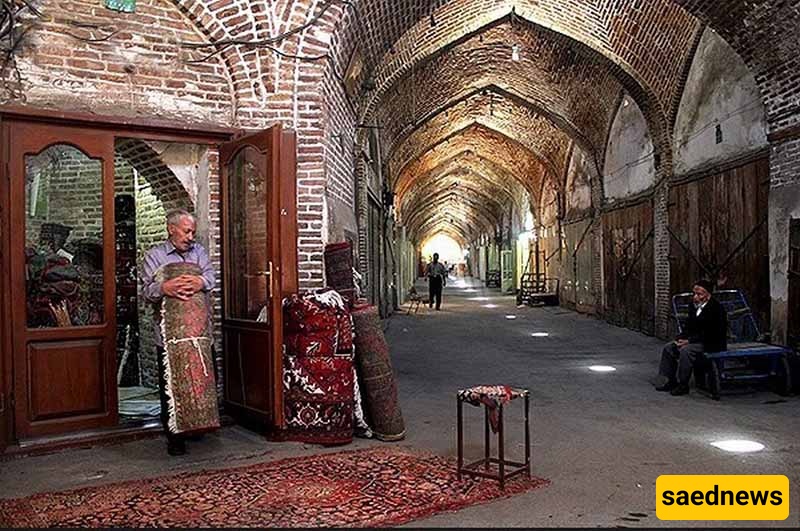
According to Saednews, Bazaar of Tabriz is the largest covered traditional bazaar in the world and the first bazaar registered on the UNESCO World Heritage List in 2010 (1389 SH). Based on reliable historical sources, its construction dates back several centuries, and it has been expanded and restored in different periods.
The architecture of the Bazaar of Tabriz, with its integrated layout of shops, caravanserais, and traditional trading courtyards (timchehs), along with the presence of historic schools and mosques, is considered a remarkable example of Islamic and Eastern commercial and cultural urban spaces.
The central part of Tabriz city has a quadrilateral structure, and the bazaar is located in its heart. The complex extends:
Eastward toward historical palaces
Westward toward the Grand Mosque (Jameh Mosque)
Northward toward parts of a local river connected by wooden bridges
From its earliest periods to the present day, the bazaar’s timchehs have played a key role in commercial prosperity, making it one of the most complete covered markets in the world.
Armenian merchants were also an important part of its commercial network, actively engaging in trade with Europe and transporting English imported goods from Istanbul to Iran.
This section includes important spaces such as Saadiyeh Timcheh, Hashemieh Timcheh, Germans’ Caravanserai, Sahib al-Divan Caravanserai, and the former police building (No. 8 station). The combination of trade functions and traditional architecture makes it attractive for visitors and traders.
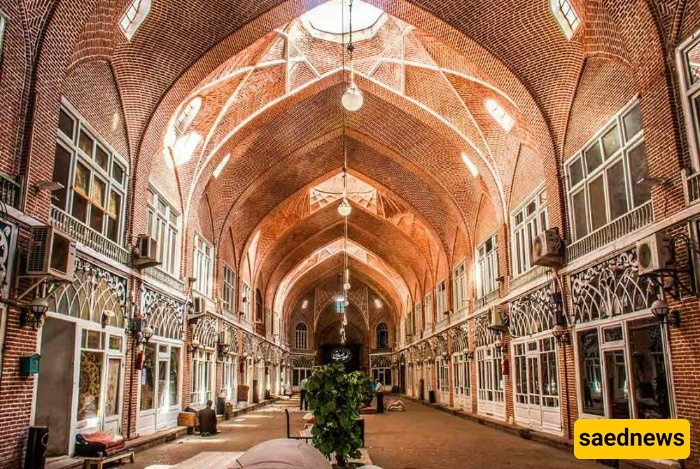
This historic section is known for fine carpet trade and includes:
Haj Rahim Timcheh
Bloody Alley (Dalān-e Khuni)
Shahzadeh Caravanserai (large and small)
Do-Dari Caravanserai
Dabaghieh Caravanserai
Old and Middle Seyyed Hossein Caravanserais
It remains an important center for domestic and international carpet trade.
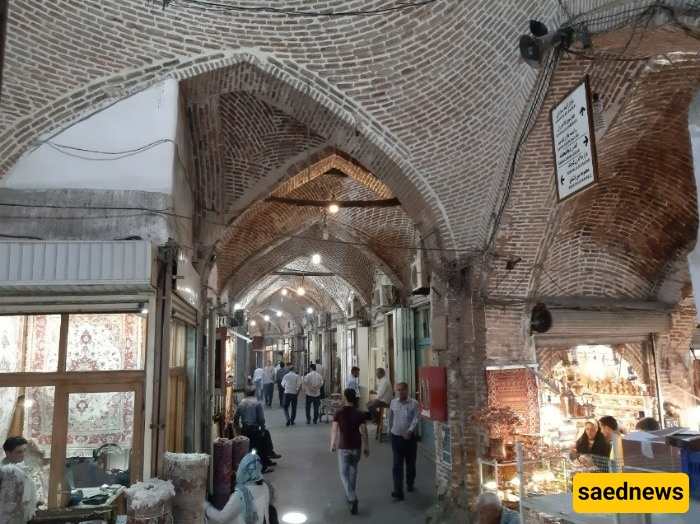
A historic hub for the production, sale, and repair of shoes. It includes:
Omid Timcheh
Haj Abolghasem Timcheh
Omid Caravanserai
Haj Abolghasem Caravanserai
It remains active as one of the city’s main footwear production centers.
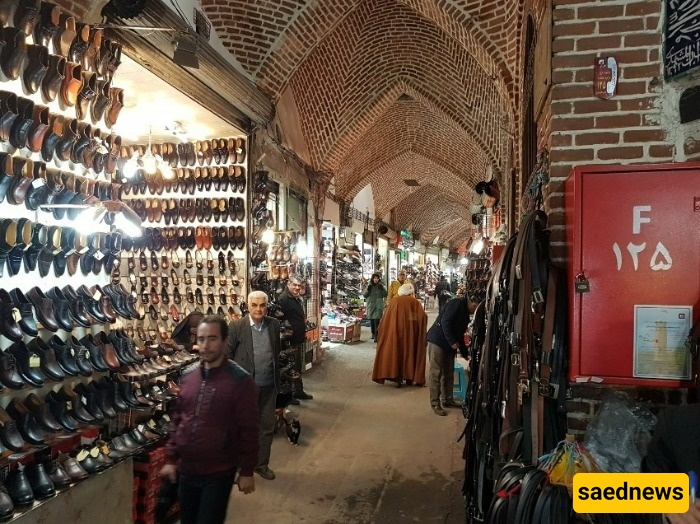
This section was historically known for handmade traditional Yemeni-style shoes made from soft leather. Important spaces include:
Shafi Timcheh
Agha Caravanserai
Shahzadeh Caravanserai
Although this traditional footwear is less commonly used today, the area preserves its cultural and industrial heritage.
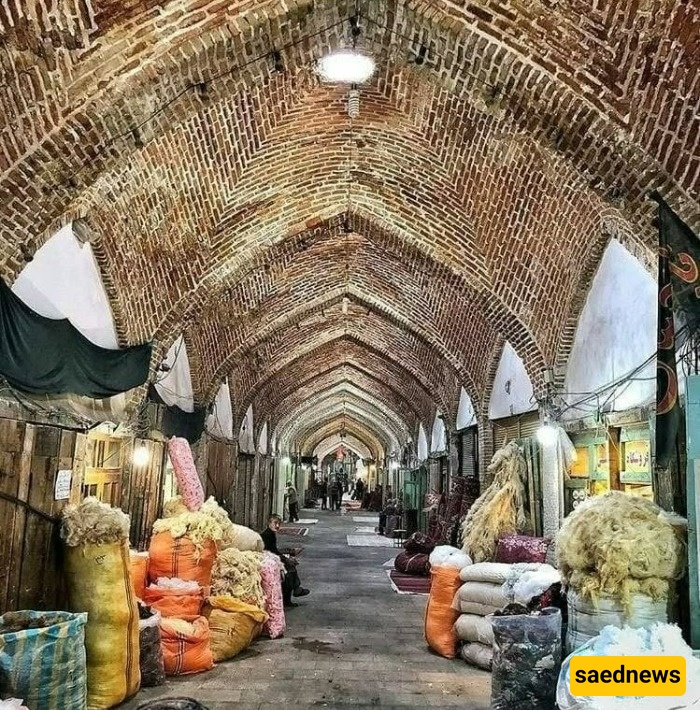
Historically a major center for glass and crystal trade. Key structures include:
Qandforushan Timcheh
Mozaffariyeh Timcheh
Badamchilar Alley
Haj Sheikh Alley
Mirza Mehdi Alley and Caravanserai
Gorjiler Caravanserai
Today, its function has changed and it mainly sells cosmetics, stationery, and retail goods.
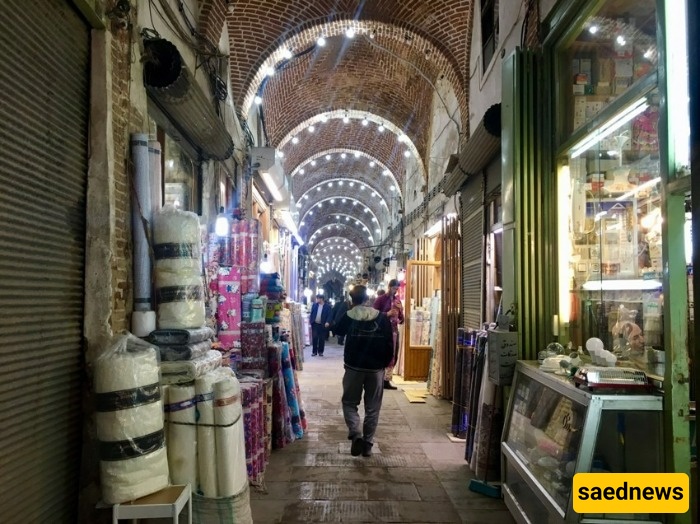
This area historically focused on cloak (aba) weaving and textile trade. Important spaces include:
Akhlaqi Timcheh
Hosseini Timcheh
Shearbaghan Timcheh
Mir Esmaeil Caravanserai
Its architecture reflects the historical commercial structure of the city.
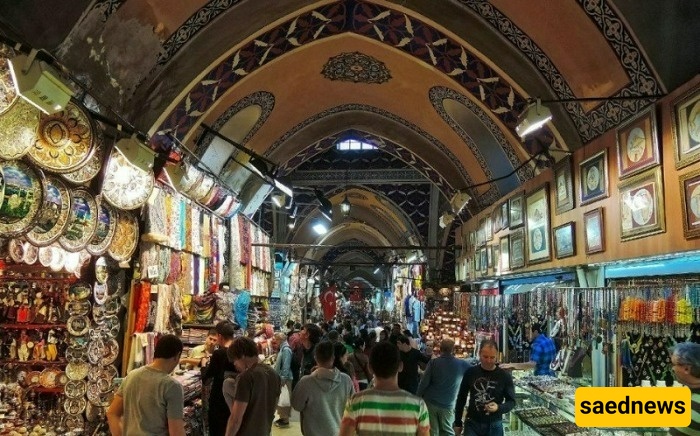
The main commercial artery of the bazaar, containing numerous timchehs and caravanserais. It is also known as the “national bazaar” due to its variety of goods. The largest timcheh of the bazaar is located here.
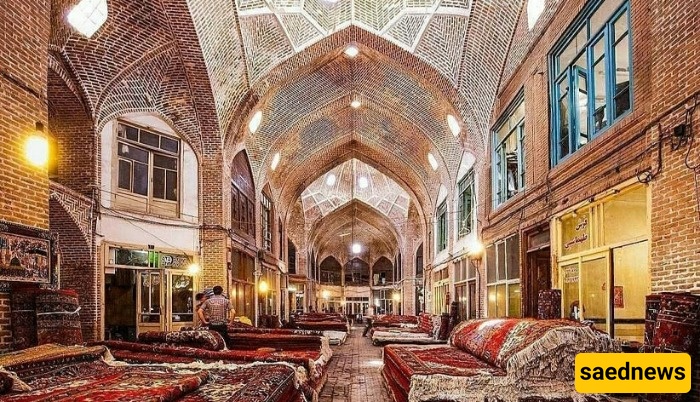
Formerly a glass production center with workshops and caravanserais such as Haj Rasul and Mirza Alinaghi. These were later demolished during urban development, and Shams Tabrizi Park was built in their place.
Today, the area mainly sells cosmetics, stationery, and retail goods.
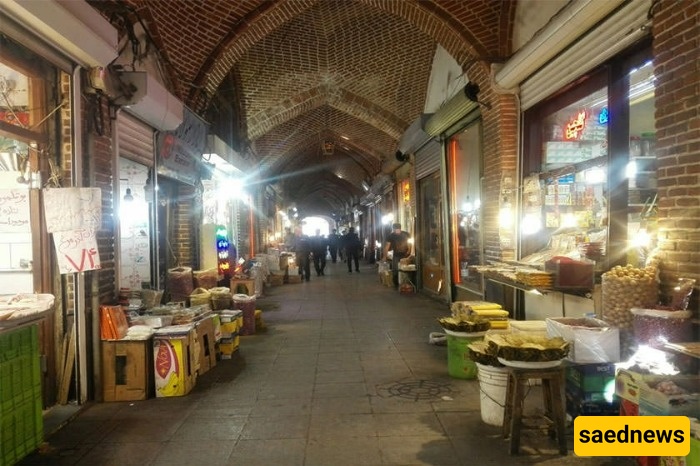
One of the oldest and most important commercial areas of Tabriz, founded by Mirza Mohammad Khan Amir Nezam. It has long played a key role in the city’s trade and economic activity.
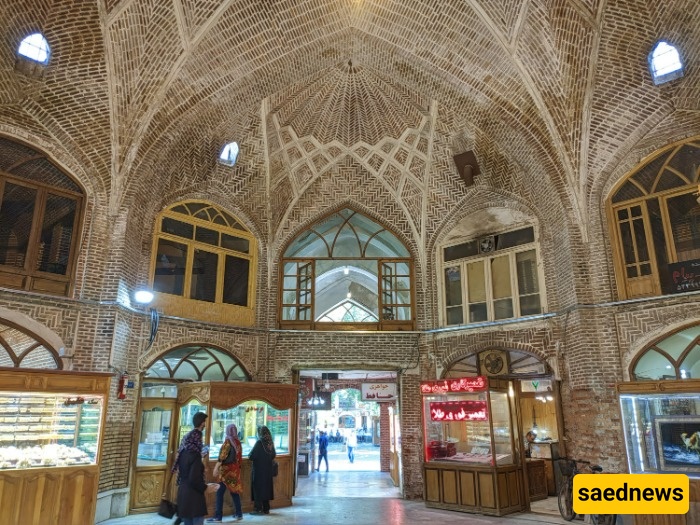
Some notable structures include:
Haj Taghi Timcheh, Haj Sheikh Timcheh, Haj Safarali Timcheh, Haj Mohammadgholi Timcheh, Do-Dari Caravanserai, Khan Alley, Sheikh Kazem Caravanserai, Mirza Mehdi Caravanserai, Haj Seyyed Hossein Caravanserai, Mirza Jalil Caravanserai, and others.
The Bazaar of Tabriz was registered as a national heritage site of Iran in 1975 (1354 SH).
The bazaar is usually open from around 9:00 AM to 6:00 PM. Hours may vary during Ramadan or colder seasons. Some shops close for a midday break and reopen in the afternoon.
Although the exact construction date is unknown, historical travel accounts suggest that the covered bazaar dates back to the 3rd or 4th century AH.
Its development is linked to the period when Tabriz was a major hub on the Silk Road.
The bazaar covers an area of approximately one square kilometer and continues to play a significant role in the region’s economy and culture.
Most shops are closed on Fridays, although some may operate on a limited or half-day schedule.