SAEDNEWS: The Strangest Good Luck Symbols in the World
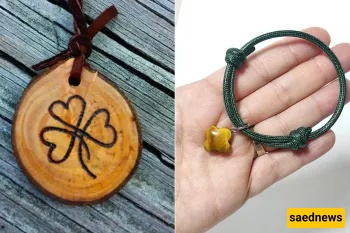
According to Saednews, The Maneki-neko lucky cat, lucky bamboo, carp fish scales, the Tumi knife, acorns, the number eight, pigs, red bats, dung beetles, snake beads, fox tails, mirrors, and horseshoes are all examples of good-luck symbols from around the world. Each of these symbols carries its own unique meaning within different cultures and traditions. If you would like to learn more about these fascinating symbols, read on.
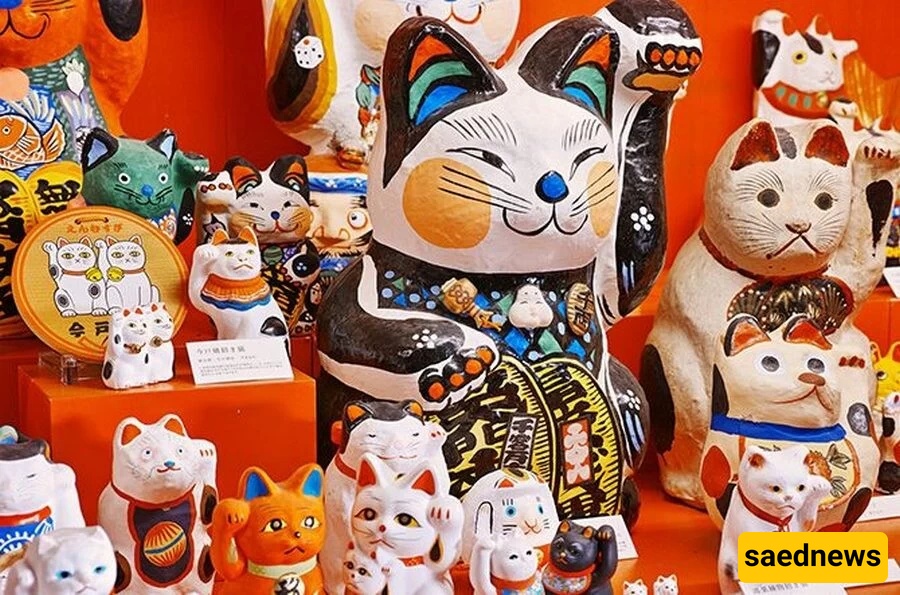
The Maneki-neko is a famous Japanese figurine of a cat with one paw raised as if beckoning people toward it. It is considered a symbol of prosperity and good fortune for the owner of a business or property. Whether placed in a restaurant, shop, or temple, it is believed to attract luck and success.
There are many interpretations regarding different types of Maneki-neko statues. Some people believe that cats with the left paw raised are better suited for cafés and restaurants because they attract customers and increase revenue. Cats with the right paw raised are thought to bring health and prosperity, making them ideal for shops and businesses. Despite these variations, almost everyone agrees that the Maneki-neko is a powerful symbol of good fortune. You may have seen this lucky cat in movies, cartoons, or Asian-themed decorations.
Although bamboo is well known as the favorite food of pandas in East Asia, Lucky Bamboo is actually a different plant species called Dracaena braunii. In Chinese culture, it is regarded as a special plant associated with good fortune.
Giving Lucky Bamboo as a New Year's gift is believed to bring prosperity throughout the coming year. However, traditional beliefs also suggest that if the plant dies during its first year, it may bring bad luck for up to twenty-nine years.
Lucky Bamboo is popular not only because of its symbolism but also because it is easy to care for. Many people keep it as an ornamental houseplant. It requires indirect sunlight and only occasional watering, making it a favorite choice for homes and offices.
In countries such as Slovakia, Poland, the Czech Republic, Austria, Germany, and Croatia, carp fish scales are associated with Christmas and New Year traditions.
Some families keep a live carp for several days before preparing it for a holiday meal. After dinner, family members look beneath their plates for a carp scale. Finding one is considered lucky. People often place the scale inside their wallets, believing it will attract wealth and prosperity until the following Christmas season.
The Tumi is a ceremonial knife from Peru closely associated with ancient civilizations such as the Incas. Historically, it was used in animal sacrifices and, according to some accounts, in ritual cranial surgeries.
Today, the Tumi is regarded as a symbol of good luck and protection. Many Peruvians hang decorative Tumi replicas on their walls. The symbol has become so important that the Peruvian government has used it as an official emblem of tourism.
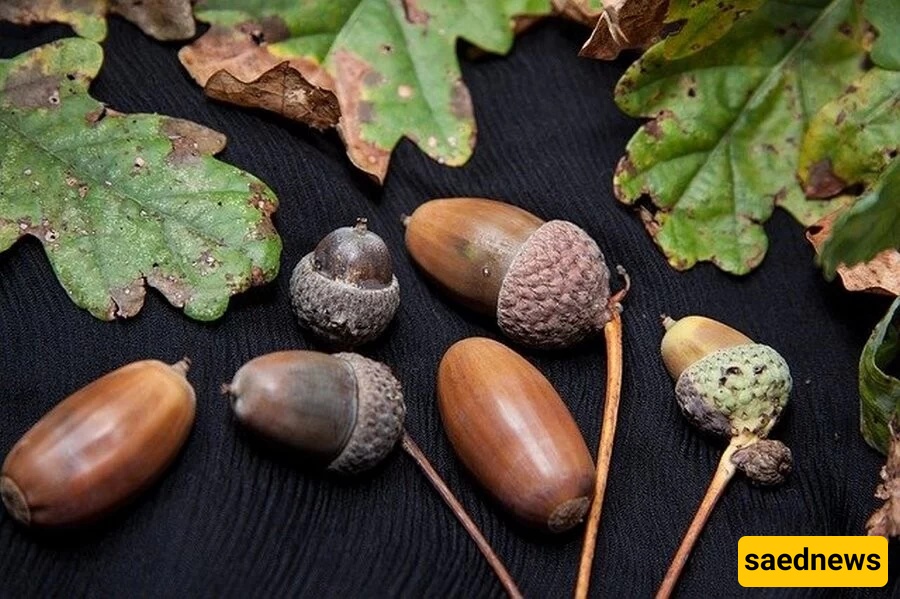
According to Scandinavian folklore, acorns bring good luck and protection. Ancient priests and religious leaders also regarded them as sacred.
Popular belief holds that carrying acorns in your pocket can ward off headaches and illnesses. Acorns may also be placed near windows or hidden around the home to attract good fortune. They symbolize strength, endurance, and resilience, reflecting the powerful oak tree from which they grow.
While the number seven is considered lucky in many countries, the number eight holds special significance in China.
The Chinese pronunciation of the number eight sounds similar to words associated with prosperity and fortune. As a result, eight is considered one of the luckiest numbers in Chinese culture.
Its importance was demonstrated during the 2008 Beijing Olympics, which officially began on August 8, 2008, at 8:08 PM, a time chosen to maximize good fortune according to traditional beliefs.
In medieval Europe, particularly in Germany, pigs became associated with prosperity and success. A common German expression, "Schwein gehabt", literally translates to "I got a pig," but it actually means "I was lucky."
The connection comes from the Middle Ages, when owning many pigs indicated wealth and food security. A family with pigs was unlikely to go hungry. Even today, pig-shaped candies and pastries are exchanged during Christmas celebrations as symbols of good luck.
Red bats have long been important symbols in Chinese culture, especially when depicted in groups of five.
The Five Bats symbolize the Five Blessings:
Long life
Wealth
Health
Love and virtue
Peaceful death
A single red bat is also considered a protective charm that wards off evil spirits and attracts good fortune.
The dung beetle has been a symbol of luck and transformation since ancient Egyptian times.
Ancient Egyptians observed dung beetles rolling balls of dung and associated their movements with the sun's journey across the sky. This connection eventually linked the beetle to Khepri, the Egyptian god of the rising sun and creation, who was often depicted with a beetle's head.
Today, the dung beetle symbolizes rebirth, renewal, protection, and personal transformation.
Snake beads are widely recognized as lucky charms in parts of Asia, including Iran. Traditional beliefs claim that these beads originate from secretions found within a snake's head and possess mystical properties.
They are commonly associated with good fortune, opening opportunities, attracting affection, and providing protection. Because of these beliefs, snake beads are often bought and sold as talismans.
The fox tail carries different meanings across cultures. In Chinese mythology, the Nine-Tailed Fox is a supernatural being capable of transforming into a human and possessing extraordinary powers.
In some legends, the Nine-Tailed Fox is a benevolent spirit that helps people in need. One story tells of Yu the Great, the legendary founder of the Xia Dynasty, who received assistance from a white nine-tailed fox in finding love and marriage.
However, other tales portray the creature as cunning and dangerous, using deception to lure and harm humans. Therefore, the fox tail can symbolize either good fortune or misfortune, depending on the cultural context.
In several Asian cultures, including those of Iran, China, and India, mirrors are considered symbols of good luck.
Mirrors are believed to reflect and amplify energy within a space. When positioned correctly, they may enhance positive energy and attract prosperity. However, placing them in inappropriate locations is thought to increase negative energy and bring bad luck.
In many Western cultures, mirrors are associated with vanity and superstition. The well-known belief that breaking a mirror brings seven years of bad luck may stem from ancient ideas that mirrors contain or reflect the human soul.
In spiritual traditions such as Feng Shui, mirrors are also used for protection, healing, and divination.
The horseshoe is one of the most widespread symbols of good luck and protection in the world.
Its crescent shape resembles the moon and is often associated with fertility, abundance, and prosperity. Many people hang horseshoes above doorways to ward off evil spirits and attract positive energy.
The direction of the horseshoe is also significant:
An upward-facing horseshoe is believed to collect and hold good luck.
A downward-facing horseshoe is thought to shower blessings and protect household members.
Although horseshoes are widely regarded as lucky charms, they are not considered guarantees of wealth or success. Instead, they often serve as reminders of hope, confidence, and positive intentions.
Different cultures associate various animals with wealth and prosperity:
The goldfish symbolizes abundance and financial success in China and Japan.
The elephant represents wealth, wisdom, and prosperity in India and Southeast Asia.
The rabbit is associated with fertility, abundance, and good fortune because of its rapid reproduction.
One of the most well-known good-luck symbols in Iranian culture is the snake bead. Traditionally made from special stones or bone-like materials, these charms are believed to possess protective and positive energies.
People have historically used snake beads to attract affection, ward off the evil eye, and protect themselves from misfortune. Many believe that carrying a snake bead can improve success in both personal and professional life. Although rooted in ancient traditions, these beliefs remain popular in some regions of Iran today.
Good-luck symbols vary widely across cultures, reflecting unique histories, traditions, and beliefs. From Japan's beckoning cat and China's lucky number eight to Peru's Tumi knife and Europe's horseshoe, these symbols reveal how different societies have sought protection, prosperity, and happiness throughout history. Whether viewed as cultural traditions, spiritual talismans, or simple reminders of hope, they continue to fascinate people around the world.