SAEDNEWS: In this section of SaedNews, we have prepared articles about the country of Moldova for you. We hope you find them interesting and engaging.
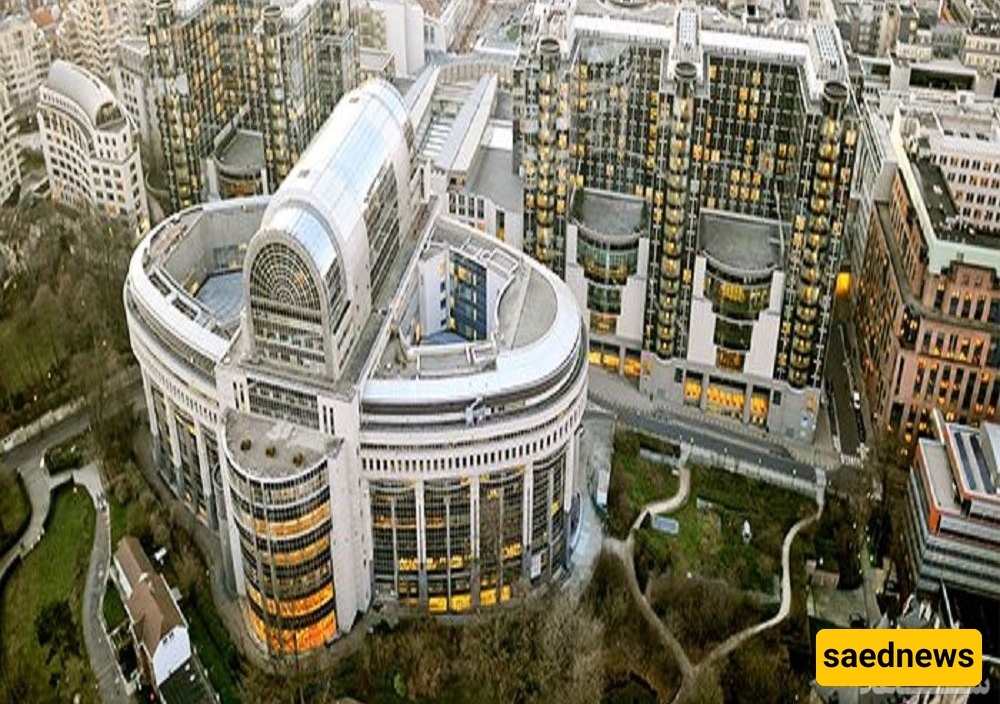
Moldova is a landlocked country in Eastern Europe, bordered by Ukraine to the east, northeast, and south, and Romania to the west. Its capital, Chișinău, is home to numerous tourist attractions. From 1945 to 1991, Moldova was part of the Soviet Union, known as the Moldavian Soviet Socialist Republic, before gaining independence in 1991. Key cities in the country include Chișinău, Tiraspol, Bălți, Cahul, and Rîbnița. This guide explores Moldova and its most remarkable sights.
Moldova has a GDP of approximately $9.821 billion, with around 333,000 people employed nationwide. The unemployment rate is 2.5%, and nearly 25% of the population works abroad. In 2007, the poverty rate stood at 29%. Moldova’s main exports include food products, textiles, and machinery, while imports cover minerals, machinery, fuel, chemicals, and other goods.
Moldova is a republic with a population of about 4.426 million. Most Moldovans follow Orthodox Christianity, and the official language is Moldovan, which is closely related to Romanian. The national currency is the Moldovan leu.
Historically known as Bessarabia, the region was part of the Moldavian principality before being ceded to Russia in 1812. Bessarabia remained under Russian control until World War I, when Romanian forces annexed it in 1918, establishing it as an independent republic within the Romanian Kingdom. During World War II, Romania allied with Germany, and the Soviet Union occupied the region, renaming it the Moldavian Republic. Following political upheavals in Moscow, Moldova declared its independence on August 27, 1991.
Ciuflea Monastery
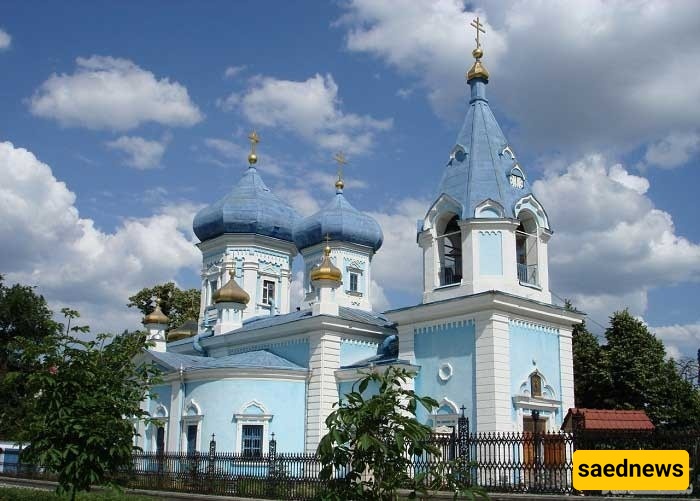
A must-visit in Chișinău, Ciuflea Monastery is located near the city’s main hotel. Its distinctive white and blue exterior, topped with nine golden domes, makes it easy to spot. This historic church is one of Moldova’s most significant landmarks, held in high regard by locals.
Botanical Garden
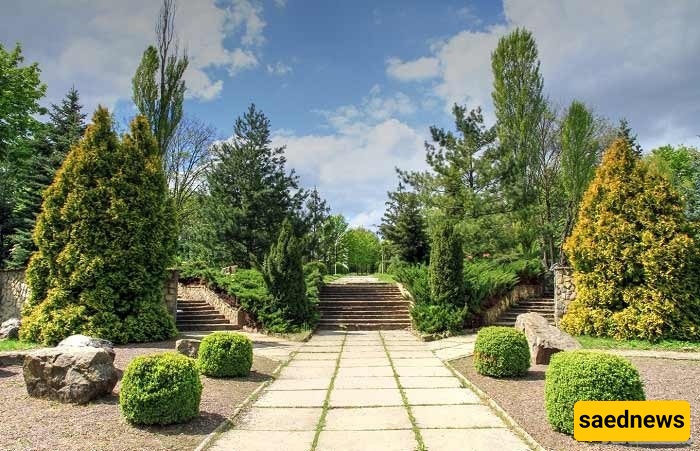
For nature lovers, the Botanical Garden in Chișinău is a stunning 75-hectare green space. Hosting around 90% of the continent’s plant species, the garden offers tranquil walking paths filled with fresh air, perfect for photography and relaxation. Located just 8 km from the city center, it is easily accessible.
Victory Memorial
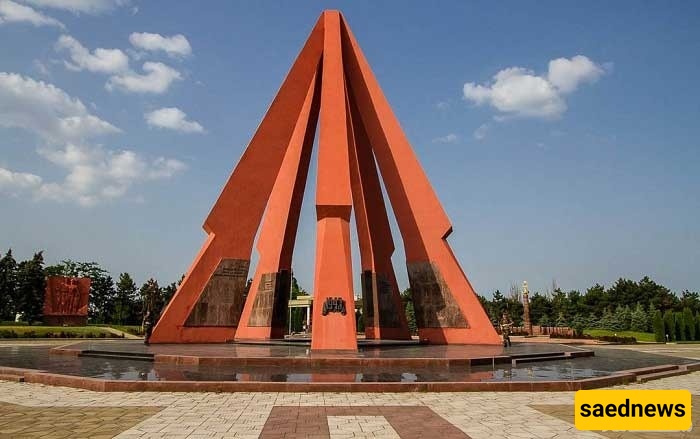
This monument commemorates Moldovan soldiers who served during World War II. The memorial features five red pillars symbolizing soldiers’ blood, with many soldiers’ graves nearby. Visitors familiar with war memorials will appreciate the solemnity of this site.
Stefan cel Mare Central Park
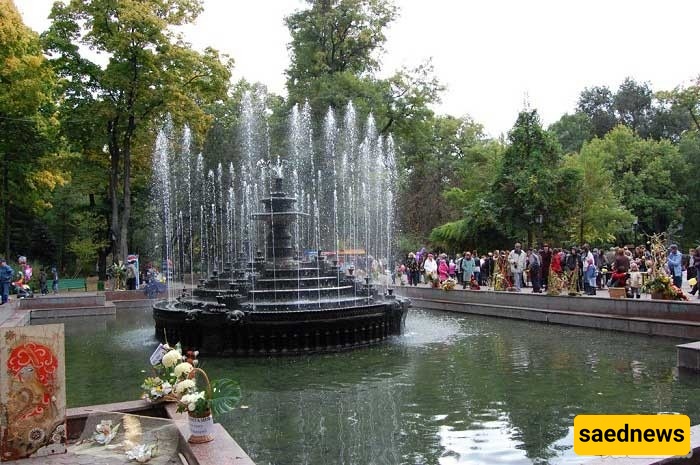
Chișinău boasts abundant green spaces, including Stefan cel Mare Central Park. Perfect for strolling and socializing, it provides a glimpse into local life and culture. The park is conveniently located on the city’s main street.
Chișinău Railway Station
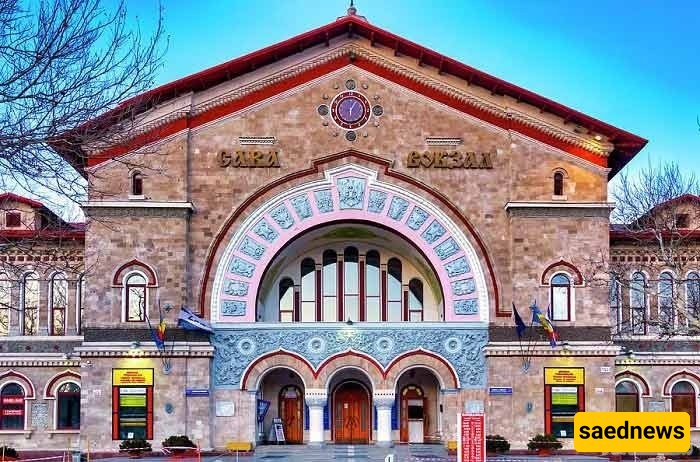
The city’s railway station is not only functional but also visually striking. Nearby, statues commemorate Stalin’s victims, lending a historic and poignant atmosphere to the site.
Dendrarium Park
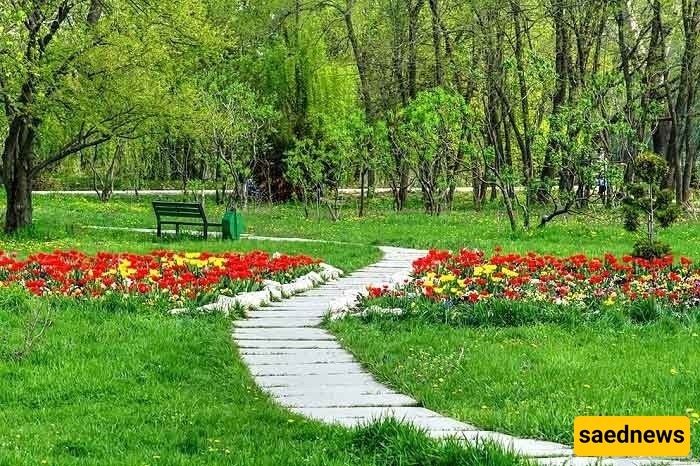
A peaceful retreat, Dendrarium Park is a favorite evening spot for locals. It features a wide variety of trees and plants, along with amenities for a relaxing visit. It is the largest urban park in Chișinău and conveniently located near the city center.
National Museum of History
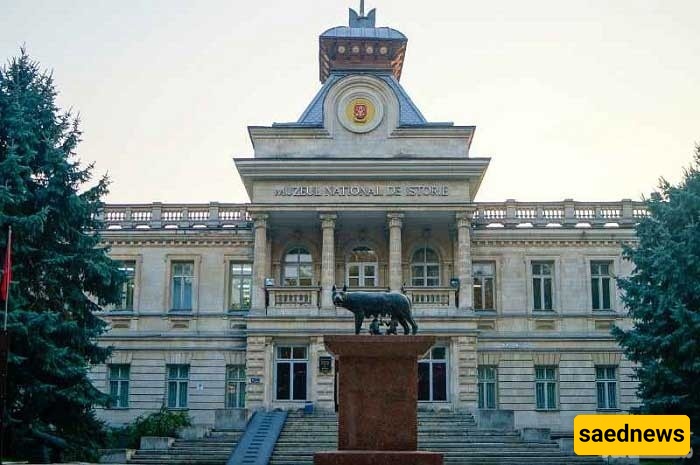
No trip to Chișinău is complete without visiting the National Museum of History. With nearly 350,000 historical and artistic artifacts, it offers invaluable insights into Moldova’s culture and heritage.
Triumphal Arch
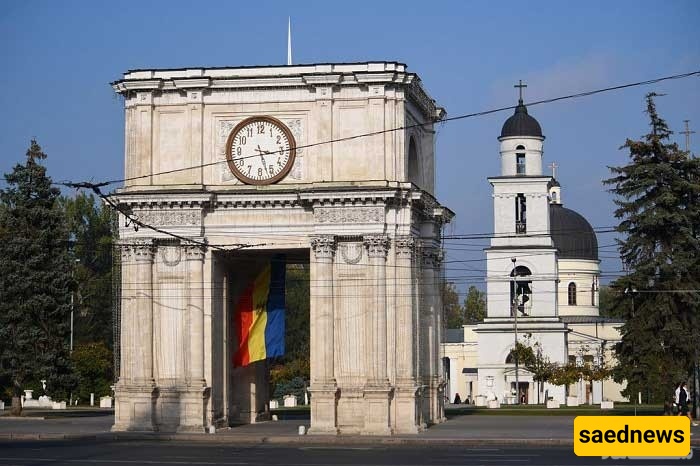
One of Chișinău’s most iconic landmarks, the Triumphal Arch symbolizes the Russian victory over the Ottoman Turks. Nearby stands the Nativity Church, another historical highlight.
Moldova has a temperate continental climate influenced by the Black Sea, with cold winters around -5°C and hot summers reaching up to 40°C. Rainfall is scarce and irregular. The ideal time to visit is from April to September. The Black Sea helps moderate winters and extend summer months, providing perfect conditions for vineyards and agriculture. Most travelers prefer visiting Moldova during the summer season.