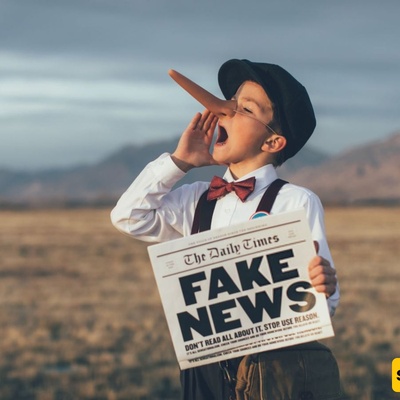
SAEDNEWS: The Psychology and Consequences of Lying: How Dishonesty Affects Mental Health, Relationships, and Society
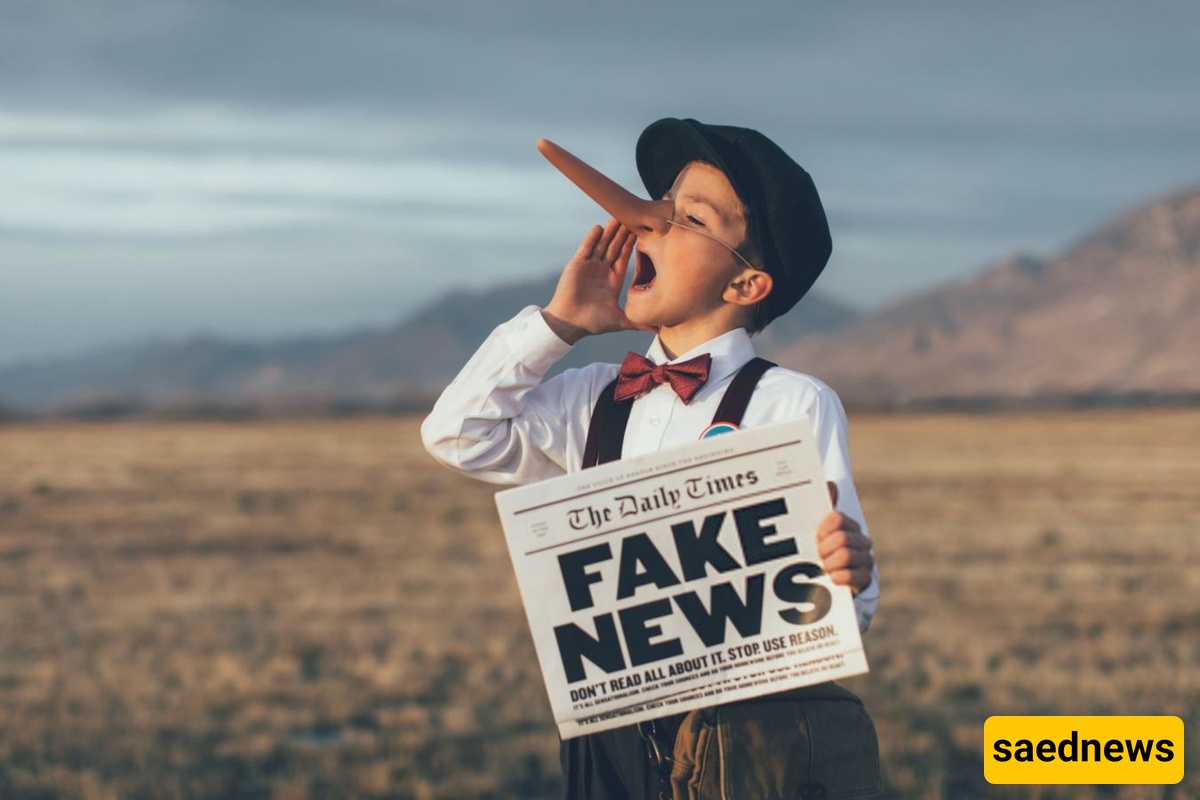
According to Saednews, Lying is one of the oldest human behaviors, practiced by people throughout history. It is difficult to find someone who has never told a lie at least once in their lifetime.
Nevertheless, a fundamental question occupies the minds of many people: Why should we not lie? The answer goes beyond morality and encompasses psychological, social, economic, and even physical consequences.
Like a drop of poison in a glass of clear water, lying gradually but deeply harms both individuals and society. This article explores the reasons to avoid dishonesty from a scientific and analytical perspective, demonstrating that honesty is not merely a moral virtue but also a necessity for individual well-being and the prosperity of society.
Lying is the act of making a statement that contradicts the truth, while knowing that it is false and intending to deceive the listener. Therefore, someone who unknowingly makes an incorrect statement is not considered a liar.
People lie for various reasons, including fear of punishment, avoiding responsibility, seeking attention, protecting their social status, pursuing financial gain, or simply out of habit. However, the important point is that although lying may appear to be a short-term solution, it can eventually become a maze from which finding a way out is increasingly difficult.
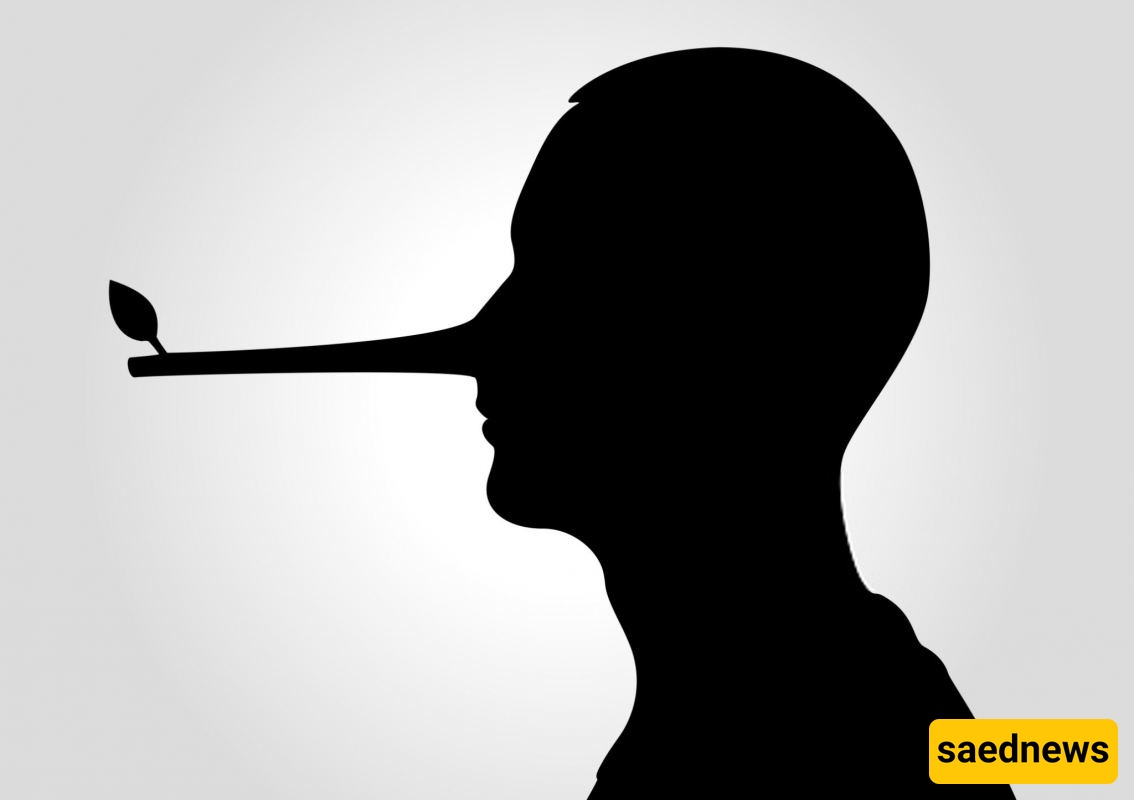
When we lie, the brain must retain false information in memory, keep different details consistent, and ensure that they do not contradict reality. This process places a significant cognitive burden on the mind.
Research suggests that processing lies can require more mental effort than telling the truth. As a result, habitual liars may eventually experience forgetfulness, contradictory statements, and reduced concentration.
Chronic lying has been associated with increased levels of cortisol, the body's primary stress hormone. This condition may contribute to insomnia, persistent headaches, blood pressure problems, digestive disorders, and a weakened immune system.
Liars often live in constant fear of being exposed, and this fear deprives them of peace of mind.
People who become accustomed to lying may gradually become estranged from themselves. They may no longer know which version of themselves is genuine. This internal conflict can significantly undermine self-esteem and contribute to depression, feelings of emptiness, and a sense of worthlessness.
One lie often leads to more lies. A small lie requires additional, sometimes larger, lies to conceal it. This cycle is commonly described as the snowball effect.
Gradually, the liar becomes trapped in a complicated web of falsehoods that may eventually become impossible to control.

Trust is the backbone of every human relationship. When someone lies, they risk losing the trust of those around them. Rebuilding that trust may take years or may never be possible.
Distrust and suspicion gradually take root in family, friendship, and professional relationships, weakening the bonds that hold society together.
Families are often among the first to suffer from dishonesty. A spouse who lies to their partner, parents who make false promises to their children, or children who deceive their parents all undermine the foundations of family trust.
This lack of trust can contribute to divorce, emotional estrangement, and difficulties in raising children.
Over time, a liar may lose credibility in the community. Others begin to distance themselves, leaving the individual increasingly isolated.
Few people are willing to cooperate with or maintain close relationships with someone whose words cannot be trusted.
Lying is strongly condemned in many religions and ethical traditions. In Islamic teachings, it is described as the key to all sins, and the Holy Quran repeatedly warns against dishonesty.
In secular ethical frameworks, lying is also viewed as a violation of other people's right to know the truth and as an injury to human dignity. The sense of guilt that often accompanies dishonesty may reflect a person's internal moral standards and awareness of the harm caused by such behavior.
Dishonesty in the workplace and in business can have devastating consequences. Fraud, deceiving customers, falsifying documents, and making false promises can lead to business failures, financial losses, and even broader economic crises.
An economy built on deception will eventually become unstable. Transparency and integrity in commercial transactions are essential conditions for sustainable economic growth.
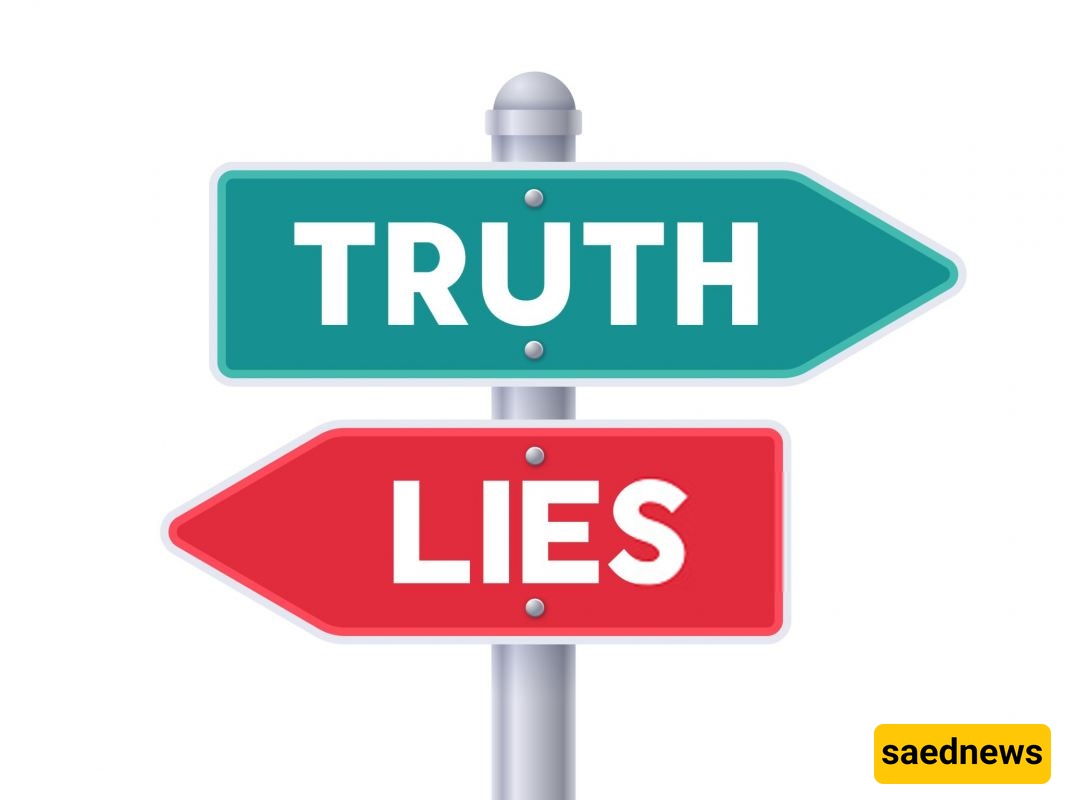
People sometimes invoke the idea of acting in someone's best interests to justify a lie. However, remaining silent, changing the subject, or choosing not to disclose certain information is fundamentally different from making a false statement.
Lying involves deliberately presenting something untrue with the intention of deceiving someone.
Certain ethical concepts, such as tawriya (using an ambiguous statement that can be interpreted in more than one way) or concealing the truth, may be considered in specific and limited circumstances. These approaches do not necessarily require fabricating facts. Therefore, appeals to good intentions or practical considerations should not become a blanket justification for habitual dishonesty.
Overcoming dishonesty requires determination, self-awareness, and consistent practice. Some effective strategies include:
Taking responsibility for mistakes instead of trying to escape the consequences.
Learning to remain silent when telling the truth feels difficult, rather than resorting to deception.
Strengthening self-esteem through self-care and personal development.
Choosing honest friends and avoiding relationships that encourage dishonesty.
Reminding yourself of the consequences of lying when you feel tempted to deceive someone.
Reflecting on your ethical principles and religious beliefs.

Although lying may seem like an easy escape in the moment, it can gradually become a chain that traps individuals in anxiety, loss of credibility, isolation, and inner turmoil.
Why should we not lie? Because lying destroys trust, trust is the foundation of human relationships, and human relationships are the building blocks of a healthy society.
Honesty is not merely a moral choice. It is a valuable asset that can promote inner peace, psychological well-being, lasting relationships, and social credibility.
Let us be honest with ourselves, because self-honesty is the first step toward being truthful with others and building a world that is more transparent, compassionate, and humane.