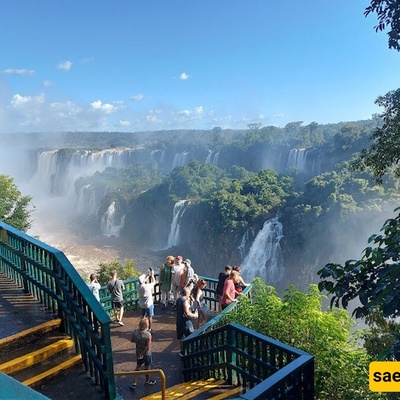
SAEDNEWS: Top Tourist Attractions in Brazil: Best Places to Visit, Explore, and Enjoy
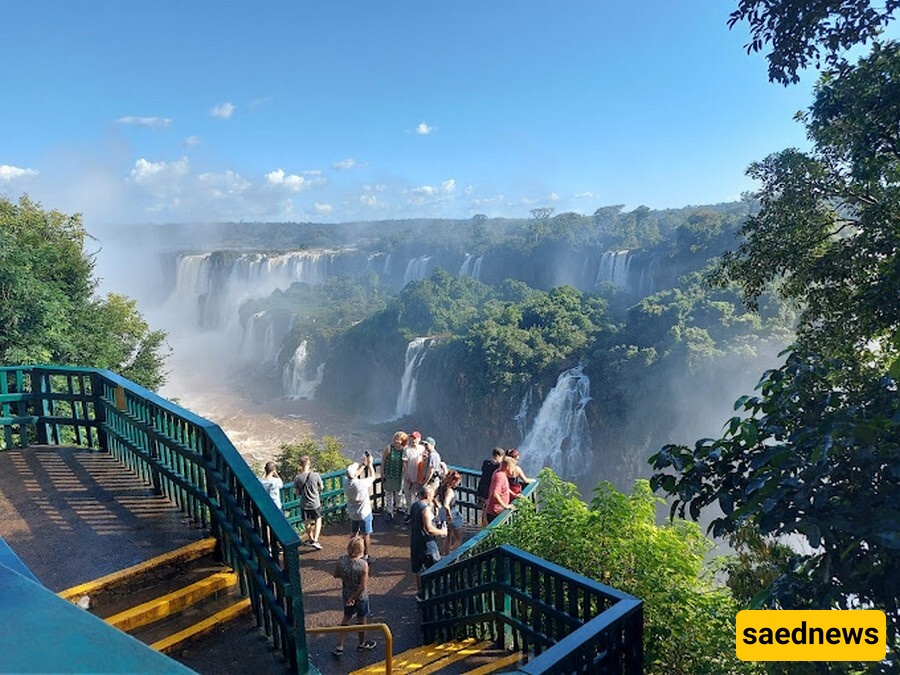
According to Saednews, The Federative Republic of Brazil is the largest and most populous country in South America. Its capital is Brasília, and its official language is Portuguese.
Brazil occupies a vast area between central South America and the Atlantic Ocean, making it the easternmost country on the continent. It shares borders with Uruguay, Argentina, Paraguay, Bolivia, Peru, Colombia, Venezuela, Guyana, Suriname, and French Guiana. In fact, Brazil borders every South American country except Ecuador and Chile.
Brazil has extensive agricultural lands and tropical forests. With abundant natural resources and a large workforce, it has the largest economy in South America.
Most of Brazil lies between 200 and 800 meters above sea level. The main highland regions are concentrated in the southern part of the country, which is generally more rugged than other areas.
Another major geographical feature is the Amazon River, one of the world's largest rivers by water volume and the second-longest river in the world. It flows into the Atlantic Ocean.
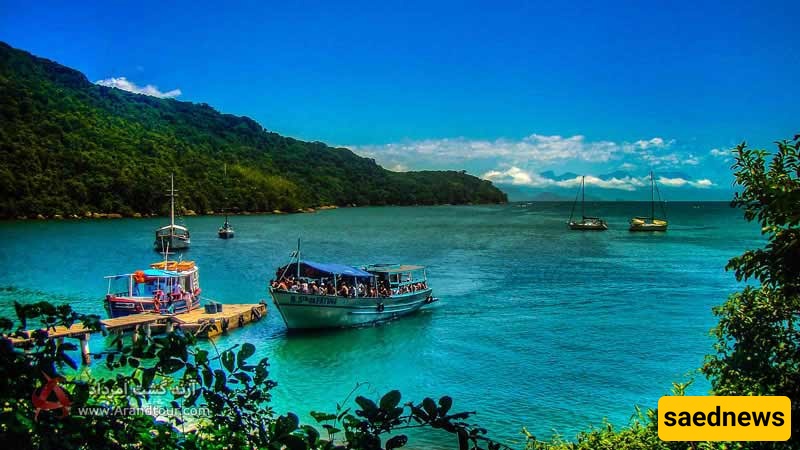
Brazil was a Portuguese colony and is the only country in the Americas where Portuguese is the official language spoken by the majority of the population.
Brazil is a multicultural and multiethnic country whose population includes people of European, Indigenous American, African, and Asian ancestry. Roman Catholicism is the country's principal religion.
Brazil has a wide variety of climatic conditions, although much of the country has a tropical climate. Large areas are covered by the Amazon rainforest, which developed within the Amazon River basin.
Brazil has five main climatic zones: tropical in the central regions, highland in mountainous areas, semiarid in the northeast, equatorial in the north, and temperate in the south.
The equatorial climate is particularly pronounced in northern Brazil. These areas do not have a clearly defined dry season. Although rainfall is lower during the relatively drier period, precipitation remains significant throughout the year.
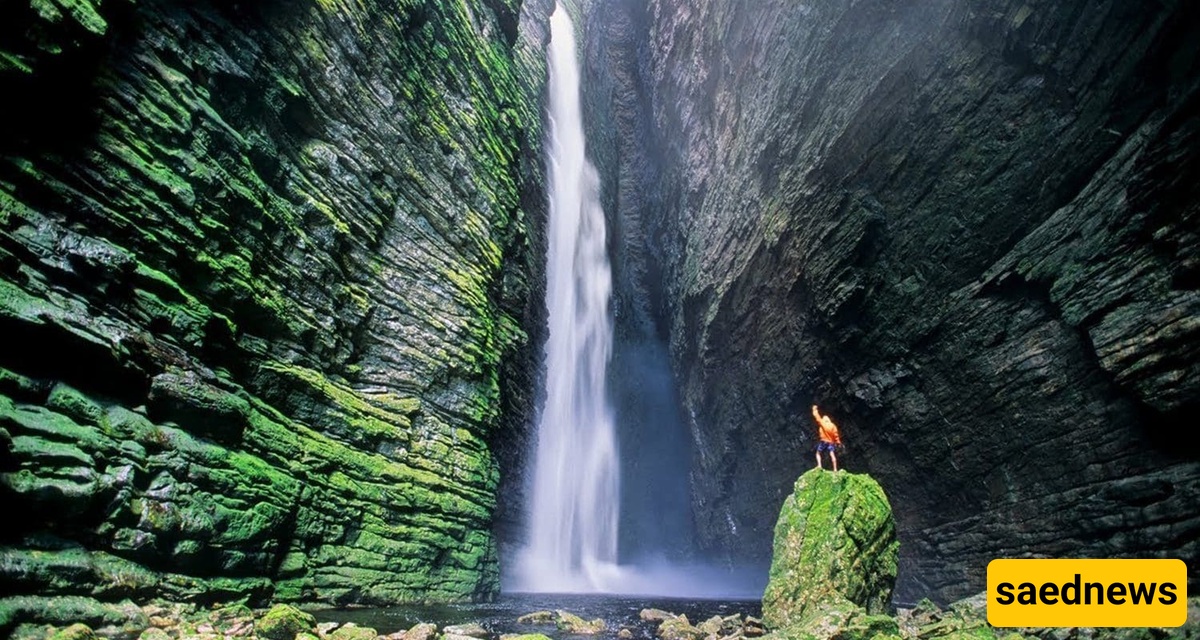
Brazil has remarkably diverse ecosystems and an exceptionally rich variety of plant and animal species. Experts estimate that the country is home to more than two million types of organisms.
Large mammals found in Brazil include jaguars, leopards, wild pigs, peccaries, anteaters, sloths, foxes, opossums, and badgers.
Deer are abundant in southern Brazil, while monkeys inhabit the rainforests of the north.
However, this rich ecosystem faces growing threats from human activities, including highway construction, logging, agriculture, mining, and dam construction, which has flooded parts of certain valleys.
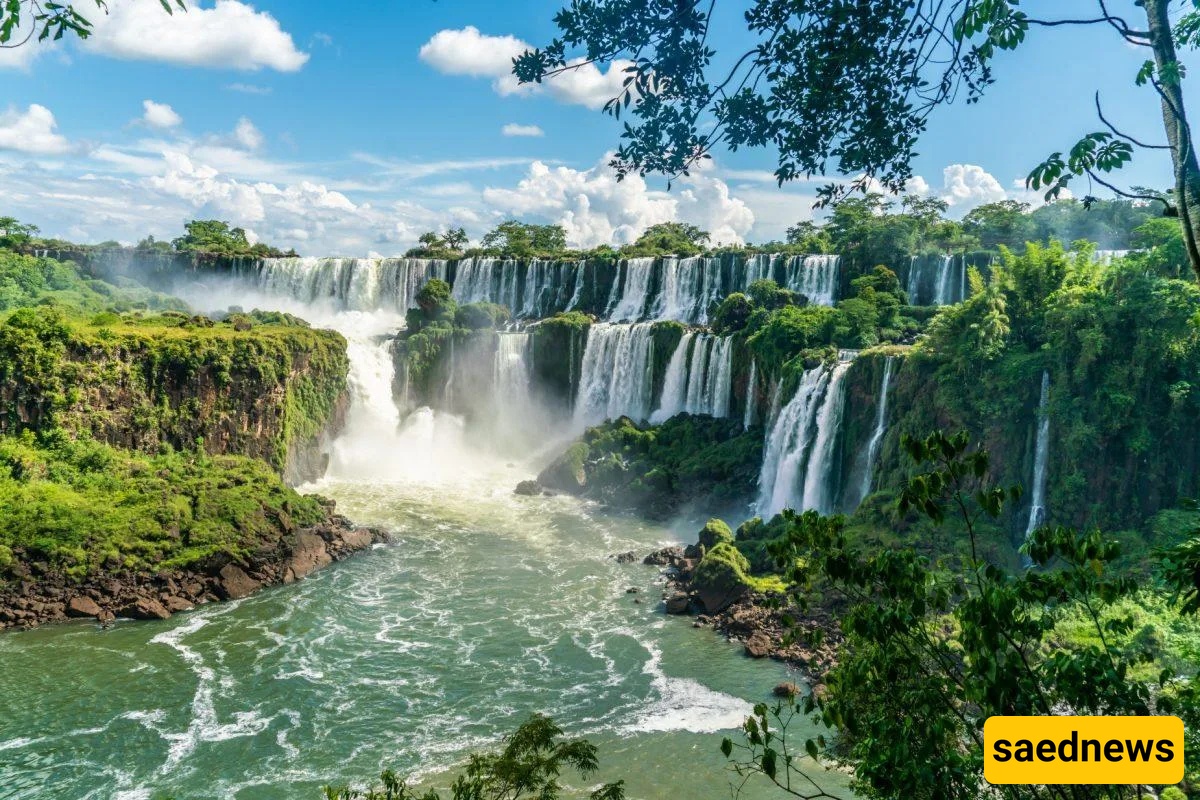
Brazil is home to an extraordinary range of ethnicities and cultural groups. Broadly speaking, the Brazilian population has ancestry linked to four major groups of settlers and migrants:
Indigenous peoples of the Americas: Brazil's original inhabitants, whose ancestors migrated from Siberia toward the Americas thousands of years ago, crossing the Bering land bridge before reaching the region that is now Brazil.
Portuguese colonizers: People who migrated to Brazil between its arrival in Portuguese records in 1500 and the country's independence in 1822.
African enslaved people: Millions of Africans were forcibly brought to Brazil during the transatlantic slave trade, beginning around 1530 and continuing until the trade was gradually abolished in the nineteenth century.
Immigrants from Europe, Asia, and the Middle East: Diverse groups who arrived in Brazil during the late nineteenth and early twentieth centuries, further shaping the country's multicultural identity.
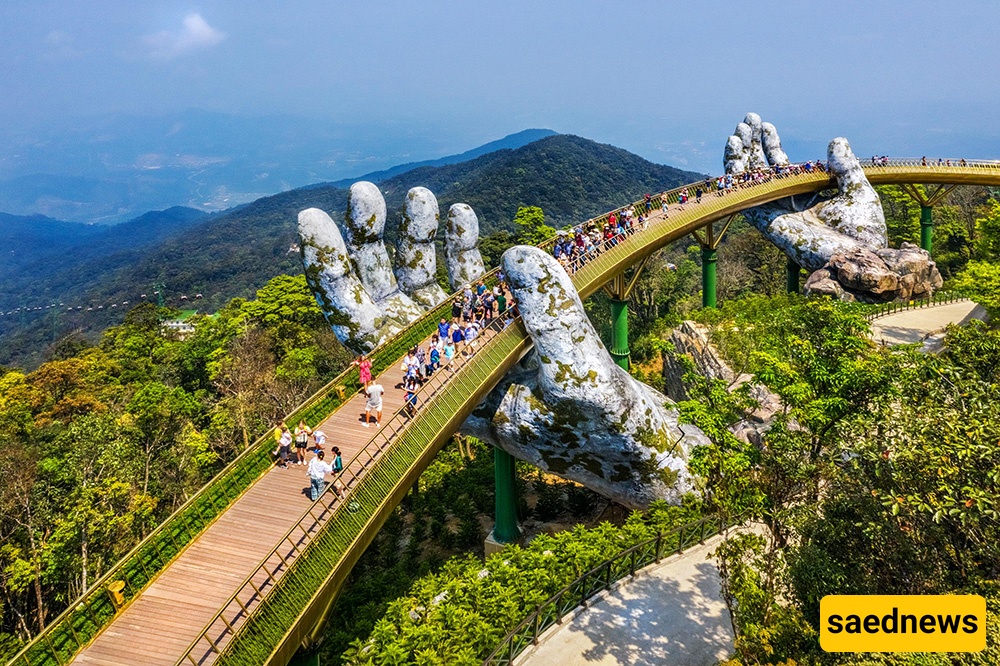
Today, Brazil's rich cultural heritage, varied landscapes, and extraordinary biodiversity make it one of the most distinctive countries in South America.