SAEDNEWS: Cracks, peeling edges, deep scratches, and reduced touch sensitivity are clear signs that a screen protector may need replacing.
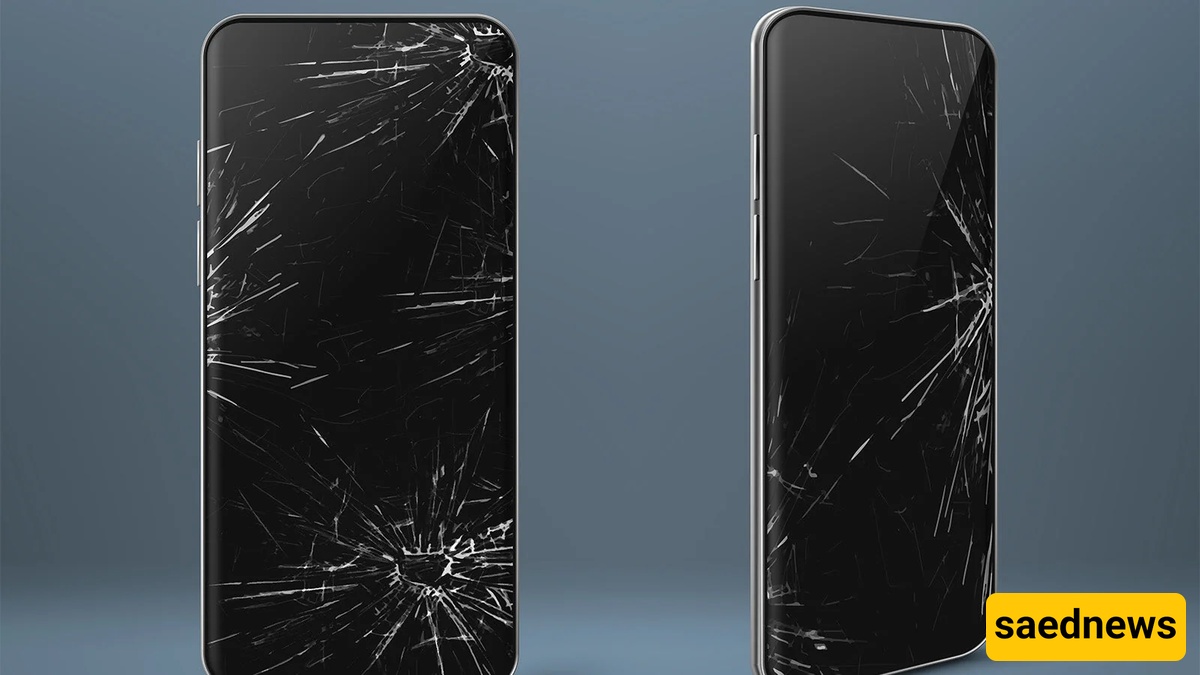
According to SAEDNEWS, a phone screen protector is designed to take everyday wear instead of the device’s actual display. Over time, scratches, cracks, chips, or weakened adhesive can reduce its effectiveness and make the screen less comfortable to use. Knowing the signs of wear can help you replace it before it becomes a bigger problem.
Look closely at the protector and pay attention to these common signs:
Visible cracks: A cracked protector has already absorbed an impact and should generally be replaced.
Deep or numerous scratches: Heavy scratching can make the screen harder to view and may reduce the protector’s usefulness.
Peeling edges: Lifting around the corners or sides suggests that the adhesive is no longer holding properly.
Bubbles that do not disappear: Persistent bubbles, especially those caused by damaged or weakened adhesive, can interfere with comfortable use.
Reduced touch response: If taps or swipes are consistently less responsive after the protector has become damaged or shifted, replacement may help.
Chipped corners: A chipped edge can leave part of the display less protected and may continue to deteriorate.
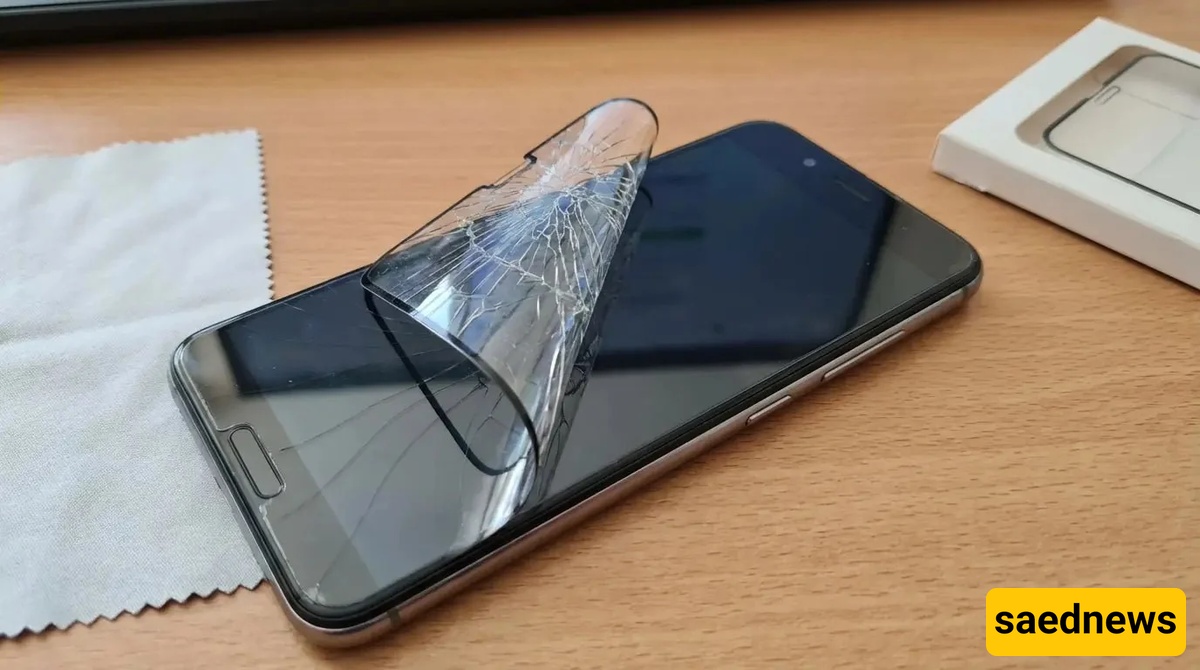
A screen protector can sometimes absorb an impact without showing extensive damage, but a significant drop is still a reason to inspect it carefully. Small cracks or separation around the edges may not be immediately obvious. If the protector is damaged, replacing it provides a fresh protective layer rather than continuing to rely on one that has already been stressed.
Not necessarily. Minor surface marks do not automatically mean a protector has stopped serving its purpose. If it remains firmly attached, has no meaningful cracks or chips, and does not interfere with touch or visibility, replacement may not be immediately necessary.
However, a protector that is visibly worn can gradually become less pleasant to use. Replacing it is particularly reasonable when scratches affect readability, the edges keep lifting, or the surface has become difficult to clean.
When removing a damaged protector, do not assume that every mark underneath it is damage to the phone itself. Clean the display gently after removal and inspect it under good lighting. If the phone's actual screen is cracked, has display problems, or does not respond normally to touch, a new protector will not fix the underlying issue.
For routine use, the simplest rule is to replace a screen protector when it is cracked, badly scratched, lifting, chipped, or interfering with normal touch and visibility. This keeps the protective layer in good condition without requiring replacement merely because the protector has been in use for a certain amount of time.