SAEDNEWS: Proper cleaning, organizing, and storage methods help protect summer clothes from damage and keep them ready for future use.
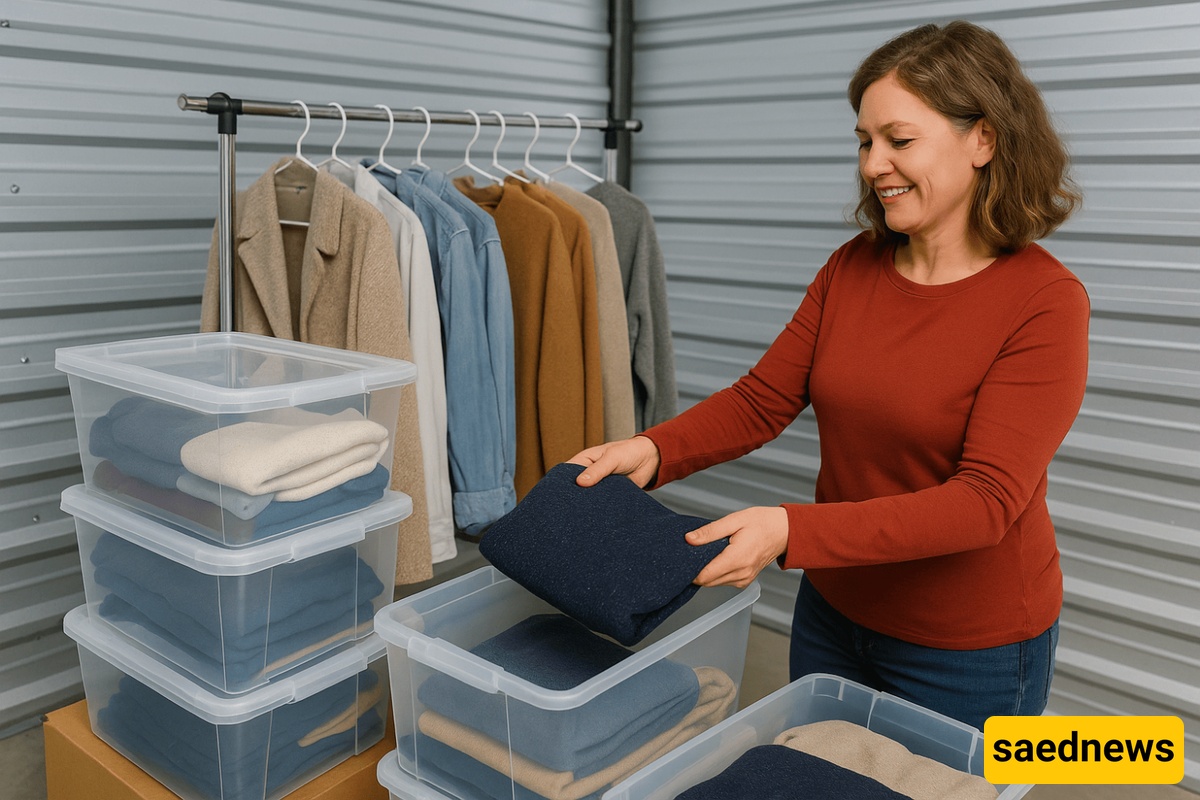
According to SAEDNEWS, storing summer clothes correctly at the end of the warm season can help maintain their shape, fabric quality, and freshness until they are needed again. Without proper preparation, clothes may develop unpleasant odors, wrinkles, stains, or fabric damage during long periods of storage.
The first step is making sure every item is clean and completely dry before packing it away. Even small traces of sweat, body oils, or food stains can become harder to remove after months of storage.
Before storing summer clothing:
• Wash clothes according to their care labels.
• Remove stains as soon as possible.
• Dry items completely to prevent moisture buildup.
• Check buttons, zippers, and seams for small repairs.
Avoid storing clothes that have been worn but not washed, as hidden dirt can attract insects and affect fabric quality over time.
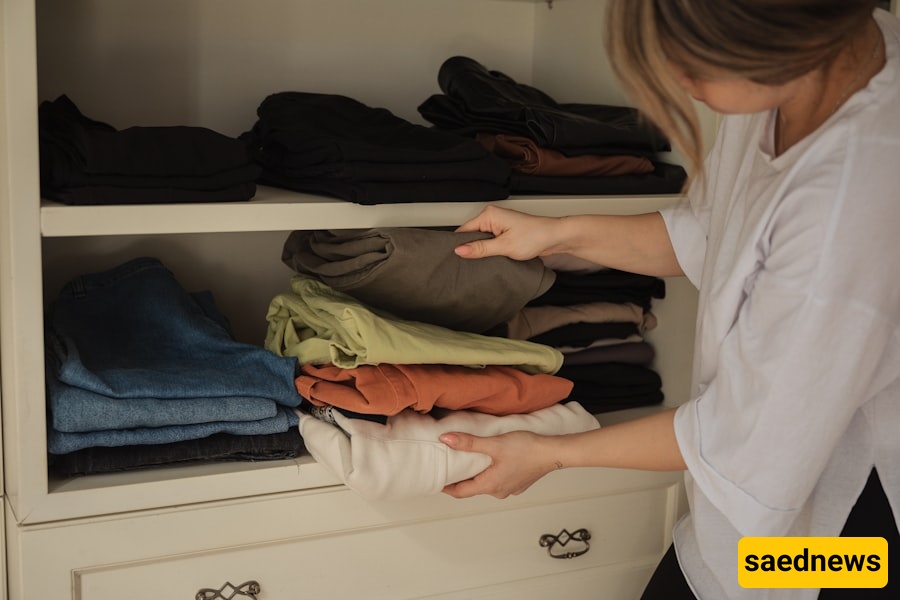
The way clothes are stored can make a significant difference. Folding is usually suitable for most summer garments, while some delicate or easily wrinkled items may benefit from hanging.
Helpful storage options include:
• Clean fabric storage bags for better air circulation.
• Shelves or drawers that are dry and protected from direct sunlight.
• Separate containers for different types of clothing to make the next season’s organization easier.
Plastic bags that trap moisture are generally not ideal for long-term clothing storage because they may reduce airflow and increase the risk of unpleasant smells.
A little organization before storage can save time later. Instead of placing all summer clothes together randomly, group similar items so they are easier to find.
You can organize them by:
Clothing type, such as shirts, trousers, dresses, and light jackets.
Frequency of use, keeping favorite items easier to reach.
Fabric type, separating delicate materials from stronger fabrics.
Adding simple labels to storage boxes or containers can also make seasonal changes more convenient.
Summer clothes may face several issues during months of storage. Taking preventive steps can help avoid unnecessary damage.
Common storage mistakes include:
• Storing damp clothes.
• Overfilling containers, which can cause deep wrinkles.
• Keeping clothes in places with high humidity or extreme temperature changes.
• Forgetting to clean the storage area before placing clothes inside.
A cool, dry, and clean space is usually the best environment for keeping seasonal clothing in good condition.
When the next warm season arrives, do not immediately wear stored clothes without checking them. Take time to inspect and refresh each item.
Remove clothes from storage, allow them to air out, and check for any signs of dust, odor, or damage. Washing or gently refreshing some items before wearing them can help restore their comfortable feel after months of storage.
With a simple routine of cleaning, organizing, and protecting fabrics, summer clothes can remain fresh and ready for the next season.