SAEDNEWS: Children can gradually learn to organize their clothes as their motor skills, understanding of routines, and independence develop, with expectations adjusted to their age and abilities.
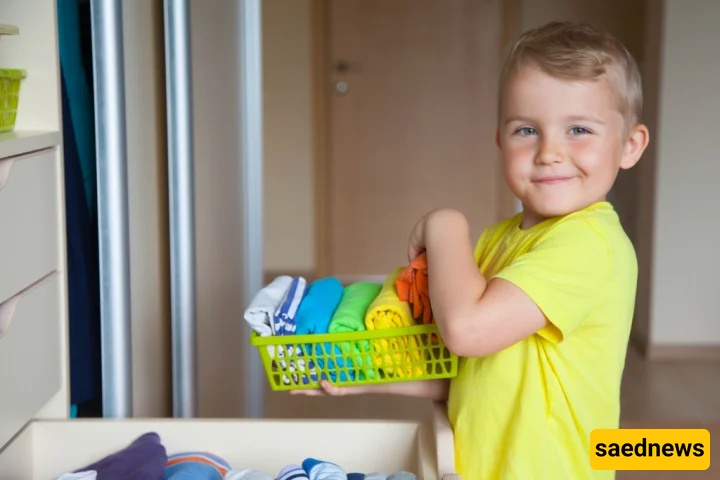
According to SAEDNEWS, children can begin taking part in organizing their clothes from an early age, but there is no single age when they should be expected to manage everything independently. Young children may start with simple tasks such as putting dirty clothes in a basket or placing folded items in an accessible drawer. As they grow, they can gradually take responsibility for more steps, including folding, sorting, and putting clothes away.
Clothing organization involves several skills, including following instructions, remembering where items belong, coordinating movements, and completing a sequence of tasks. These abilities develop progressively, so parents can introduce responsibilities that match the child's current level rather than expecting full independence immediately.
A simple progression might look like this:
Toddlers: Put clothes in a laundry basket or help place garments in a drawer.
Preschoolers: Sort simple clothing items and put them in designated places.
Early school years: Fold basic garments and organize their everyday clothes with reminders.
Older children: Take greater responsibility for putting away clean clothes and keeping their clothing area organized.
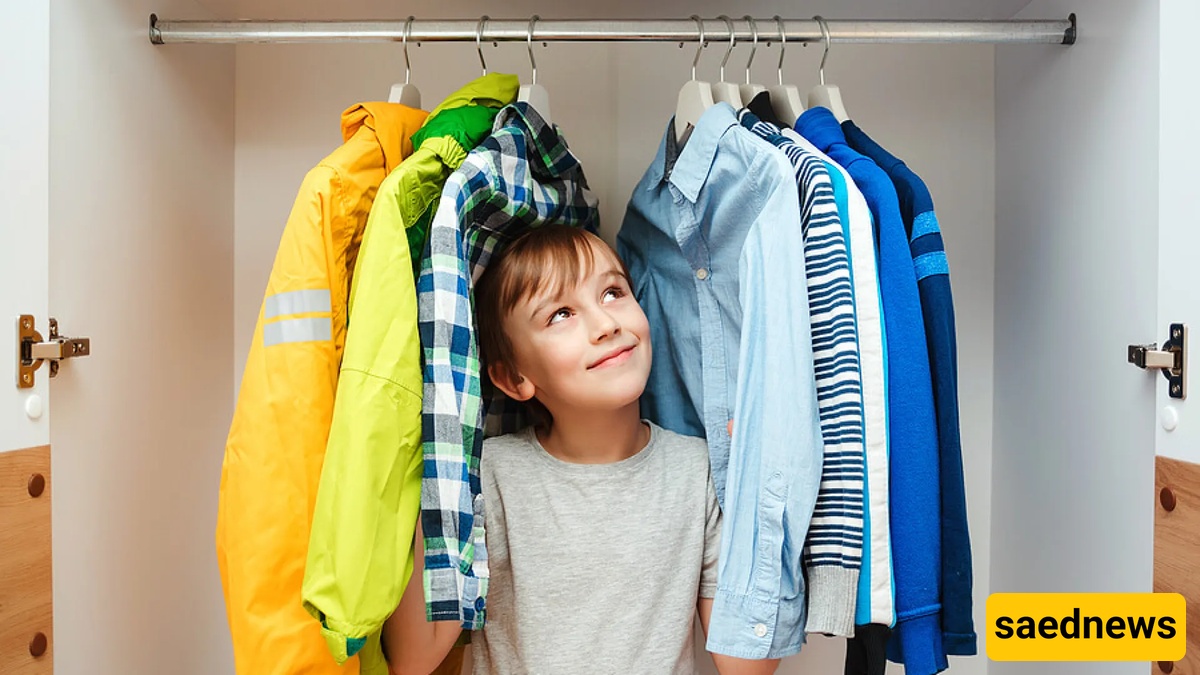
Children are more likely to succeed when their environment supports independence. Drawers and shelves should be easy for them to reach, and frequently used clothes can be kept in clearly defined places. Parents can also demonstrate one task at a time and use short, consistent instructions.
Rather than correcting every small imperfection, it can be more helpful to focus first on whether the child understands the routine. Folding may not look perfectly neat at first, but repeated practice can gradually improve both skill and consistency.
Some children become interested in organizing their belongings earlier than others. Parents can offer choices, such as asking the child to decide where two types of clothing should be stored, while maintaining a predictable system. Praise for effort and participation can also make the task feel like a normal part of family life rather than a punishment.
The goal is not to make a young child responsible for a perfectly organized wardrobe. It is to gradually build practical skills and confidence so that, over time, the child can manage more of their own clothing independently.