SAEDNEWS: Hand movements during conversations are a common form of nonverbal communication that can help people express ideas, emotions, and thoughts more clearly.
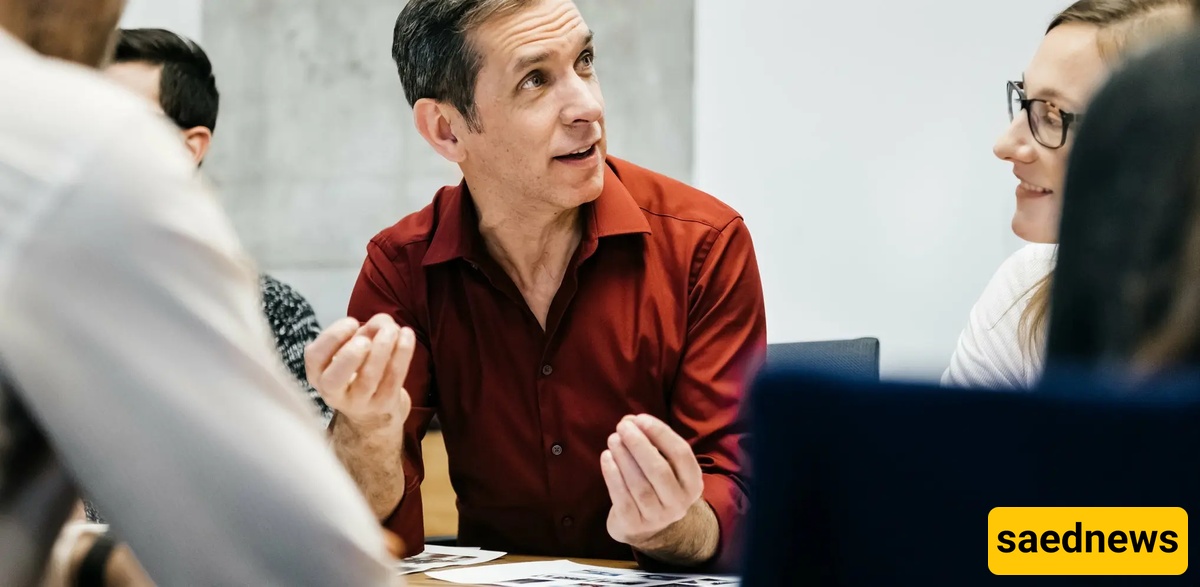
According to SAEDNEWS, moving the hands while speaking is a natural human behavior that often works together with spoken language. These movements, known as gestures, can help people organize their thoughts, emphasize important points, and make communication more understandable.
Gestures are closely linked to the way the brain processes language. When people explain an idea, especially a complex one, their hands may move automatically as they search for the right words or structure their thoughts. Research in cognitive science suggests that gestures and speech are often produced together because they involve connected mental processes.
Hand movements can also make conversations more engaging. A speaker who uses natural gestures may provide additional visual information that helps listeners understand the message.
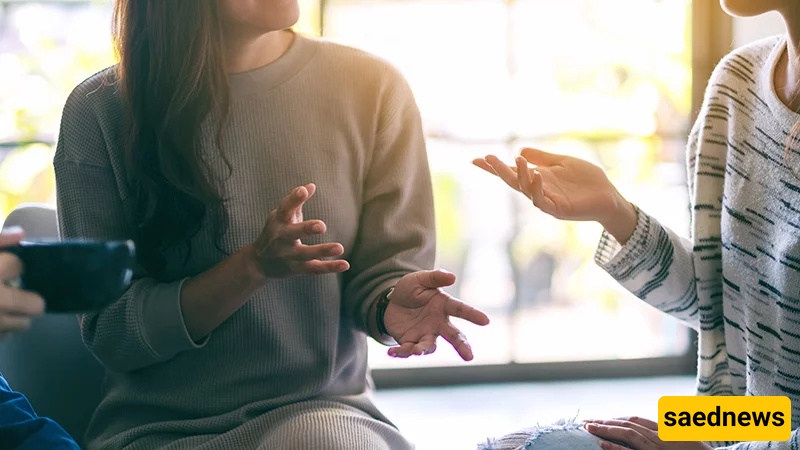
People may move their hands while talking for several reasons:
• Emphasizing important points: A person may use larger or repeated movements to highlight a key idea.
• Explaining abstract concepts: Gestures can help describe things that are difficult to express only with words.
• Showing emotions: Hand movements may reflect excitement, concern, confidence, or enthusiasm.
• Supporting memory and thinking: Some people gesture while speaking because it may help them organize their thoughts.
No. The amount and style of hand movement can vary widely between individuals and situations. Some people naturally use many gestures, while others prefer to keep their hands still. Personality, communication habits, cultural background, and the social setting can all influence how often someone uses gestures.
For example, a person giving a presentation may use more deliberate hand movements than when having a quiet conversation with a friend. Similarly, people may adjust their gestures depending on who they are speaking with and what they want to communicate.
Effective gestures usually support the spoken message rather than distract from it. Helpful hand movements are often:
Natural and connected to the topic
Movements that match the meaning of words can make explanations easier to follow.
Appropriate for the situation
The same level of movement may not be suitable for every environment, such as a formal meeting or a casual discussion.
Clear and not excessive
Too many repeated movements may distract listeners from the main message.
People who use fewer gestures are not necessarily less expressive or less confident. Some individuals communicate mainly through facial expressions, tone of voice, or carefully chosen words. Personal habits and comfort levels often determine communication style.
Overall, hand movements while speaking are a normal part of human communication. They can reveal how people think, help explain ideas, and add meaning to conversations beyond spoken words.