SAEDNEWS: Long periods of sitting can affect muscles, circulation, posture, and overall health. Small movement breaks can help reduce the effects of prolonged inactivity.
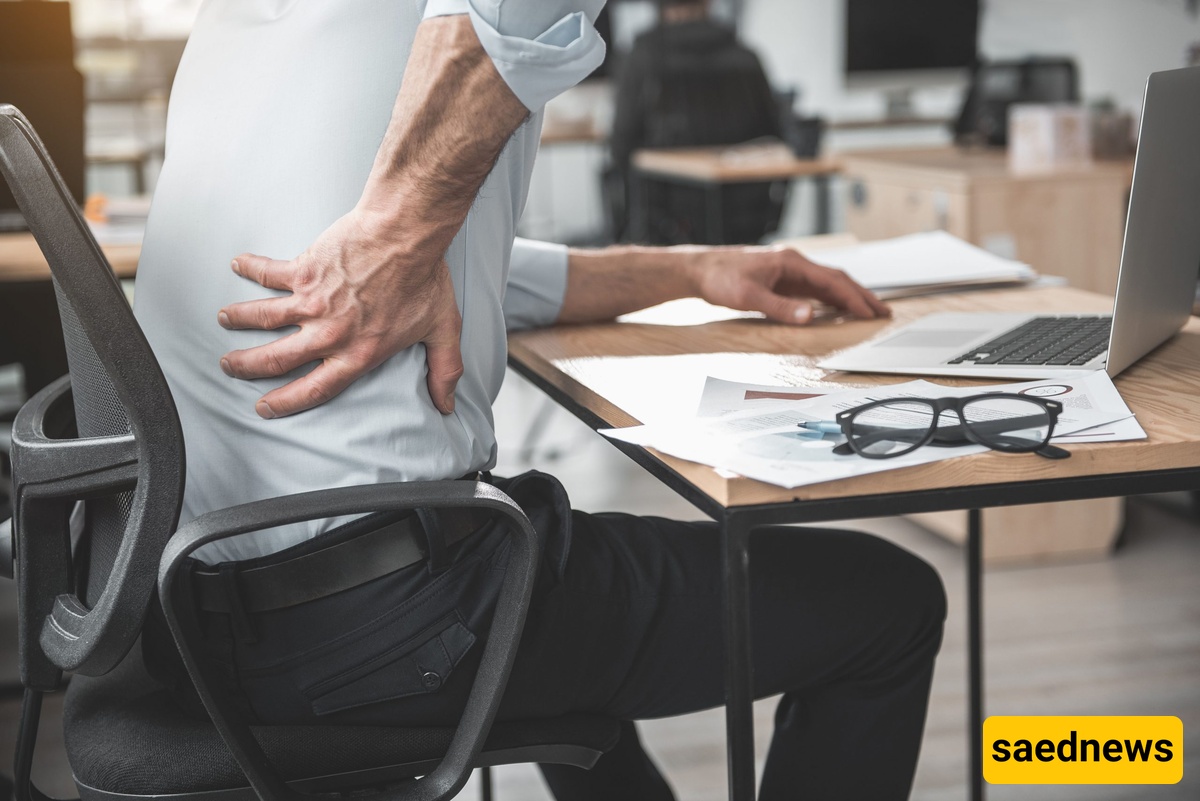
According to SAEDNEWS, sitting for a long time may seem harmless, but the body is designed to move regularly. When a person remains seated for extended periods, several physical changes can occur, from reduced muscle activity to changes in posture and blood flow.
When you sit for hours, some of the muscles responsible for maintaining posture become less active. The muscles in the legs, hips, and lower back may not work as much as they do during standing or walking, which can contribute to stiffness and discomfort.
Common effects of prolonged sitting include:
• Tightness in the hips and lower back
• Reduced flexibility in certain muscles
• Feeling of heaviness or stiffness after standing up
• Less daily energy expenditure compared with regular movement
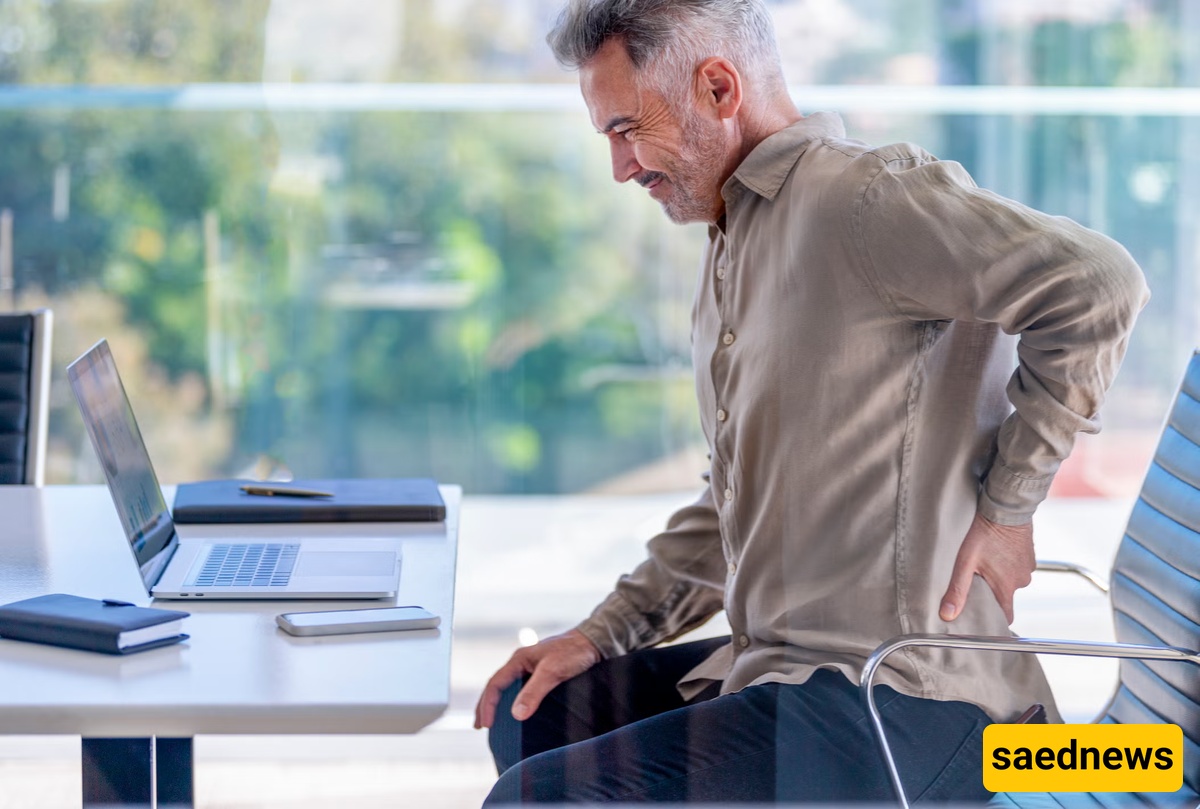
Long periods of sitting can slow the movement of blood through the lower body because the leg muscles are not contracting frequently. These muscle contractions normally help support healthy circulation by assisting blood flow back toward the heart.
People who sit for many hours may notice:
Swelling or discomfort in the legs after long periods of inactivity
A need to move or stretch after remaining in one position
Temporary numbness or tingling caused by pressure on certain areas
Sitting for extended periods, especially with poor posture, can place additional stress on the neck, shoulders, and lower back. Leaning forward toward a screen or rounding the shoulders may gradually increase strain on the body.
Maintaining a healthier sitting position can include:
• Keeping the back supported
• Placing feet comfortably on the floor
• Adjusting screen height to avoid excessive neck bending
• Changing position regularly instead of staying fixed for hours
Short periods of movement throughout the day can help the body stay active. Standing up, walking briefly, stretching, or changing sitting positions allows muscles to work again and reduces the time spent in a completely inactive state.
Simple habits that can make a difference include:
• Taking short walking breaks during long work sessions
• Stretching the legs and shoulders regularly
• Using part of the day for standing activities
• Avoiding uninterrupted sitting for several hours whenever possible
Sitting itself is a normal part of daily life, but spending too much time sitting without movement may affect physical comfort and long-term health. Creating a balance between sitting, standing, and regular activity can help support better posture, muscle function, and overall well-being.