SAEDNEWS: Opening windows can improve indoor air quality, but certain conditions make it better to keep them closed to protect comfort and health.
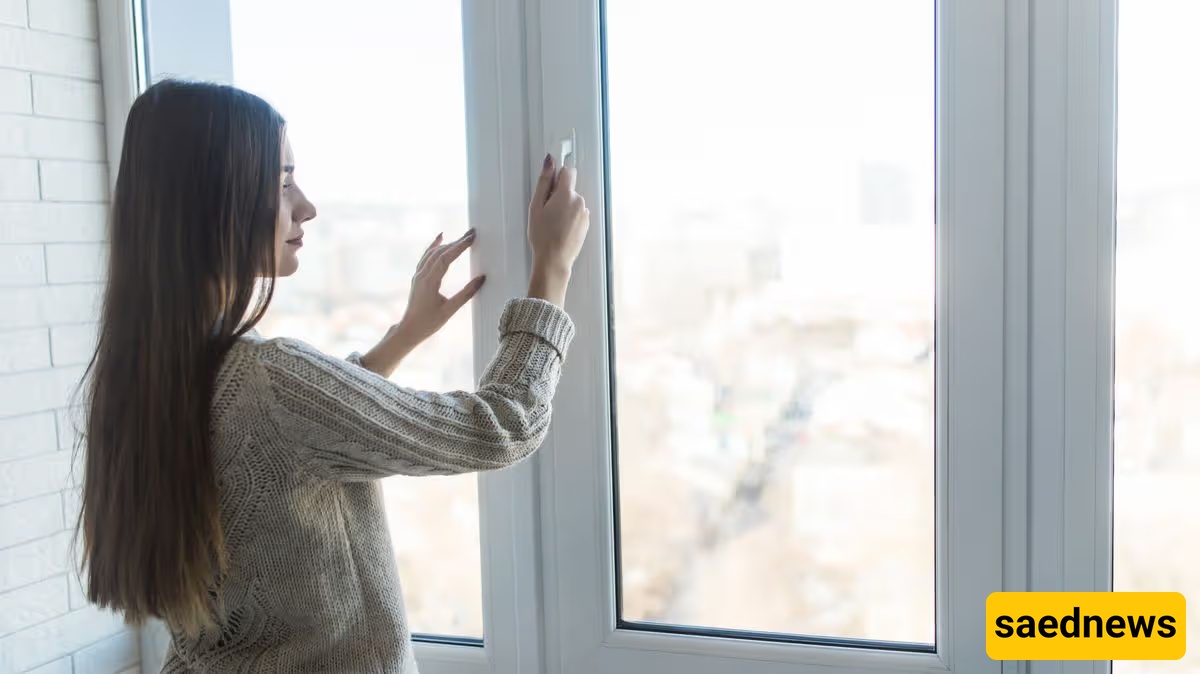
According to SAEDNEWS, leaving windows open is a simple way to bring fresh air into a home, reduce indoor stuffiness, and improve ventilation. However, opening windows is not always the best choice. Weather conditions, outdoor pollution, noise, and indoor comfort needs can all affect whether fresh air from outside is beneficial or not.
One of the main situations when keeping windows closed may be a better option is when outdoor air contains high levels of pollutants. Smoke, heavy traffic emissions, dust, or pollution from nearby activities can enter the home through open windows and reduce indoor air quality.
People who are sensitive to airborne particles may be more affected by polluted outdoor air. On days when air quality is poor, using appropriate ventilation methods and checking local air quality information can help determine the best time to open windows.
Opening windows during very hot, cold, or humid weather may make indoor conditions less comfortable and increase the need for heating or cooling.
Situations when open windows may not be suitable include:
• Very hot afternoons when outdoor temperatures are higher than indoor temperatures
• Extremely cold periods when heat escapes quickly
• Very humid weather that may increase indoor moisture levels
Choosing cooler or drier times of the day for ventilation can help maintain a more comfortable indoor environment.
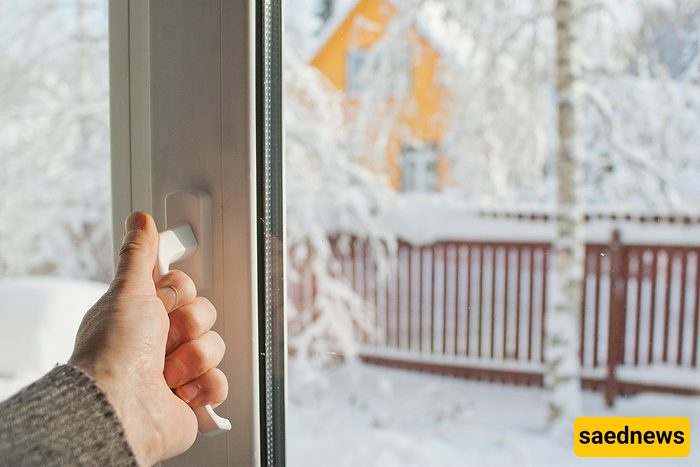
For people who are sensitive to pollen or outdoor allergens, keeping windows open during certain seasons may increase exposure. Pollen can enter through open windows and settle on indoor surfaces.
During periods when pollen levels are high, it may be helpful to ventilate the home at times when outdoor allergen levels are lower and to keep windows closed when symptoms become worse.
Fresh air is valuable, but open windows can also bring unwanted sounds indoors. Homes located near busy roads, construction areas, or crowded environments may experience more noise when windows are open.
Excessive noise can affect relaxation, concentration, and sleep quality. In such situations, short periods of ventilation at quieter times may be more practical.
There are also some everyday situations when open windows may not be ideal:
During strong winds
Strong winds can bring dust, debris, and outdoor particles into the home.
During rain or storms
Open windows may allow water to enter and increase indoor moisture problems.
When indoor temperature control is needed
If heating or cooling systems are running, leaving windows open can reduce their efficiency.
When security is a concern
Windows should not be left open when no one is home or when it creates an unnecessary safety risk.
Keeping windows closed all the time is not necessary, as regular ventilation helps remove indoor odors, excess moisture, and accumulated pollutants. The key is choosing suitable times based on outdoor conditions.
Opening windows for short periods when the air is cleaner and the weather is comfortable can provide fresh air without creating unwanted problems. A balanced approach allows homeowners to enjoy better indoor comfort while responding to changes in the environment.