SAEDNEWS: Plant leaves can collect dust again soon after cleaning because of airborne particles, static electricity, humidity, and the natural texture of their surfaces. Understanding these factors can help keep indoor plants cleaner for longer and support healthier-looking foliage.
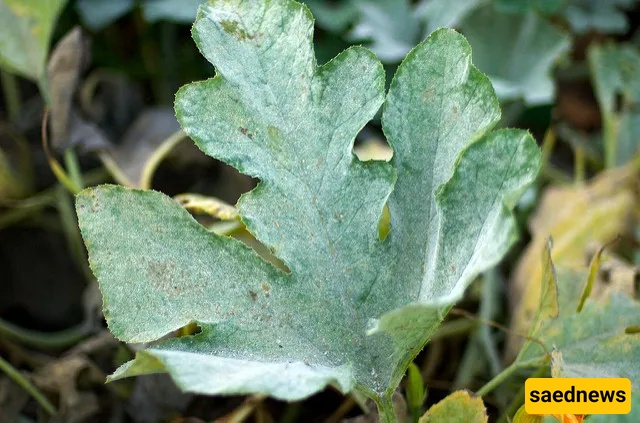
According to SAEDNEWS, dust is constantly present in indoor air and can easily settle on plant leaves. Everyday activities such as walking, opening windows, and moving household items can stir tiny particles into the air. Because leaves provide a broad surface, these particles can settle on them within a short time after cleaning.
Some leaves have smooth surfaces, while others are slightly rough, hairy, or covered with tiny natural structures. These differences can influence how easily dust sticks. Leaves with textured surfaces may hold small particles more effectively, making them appear dusty again sooner.
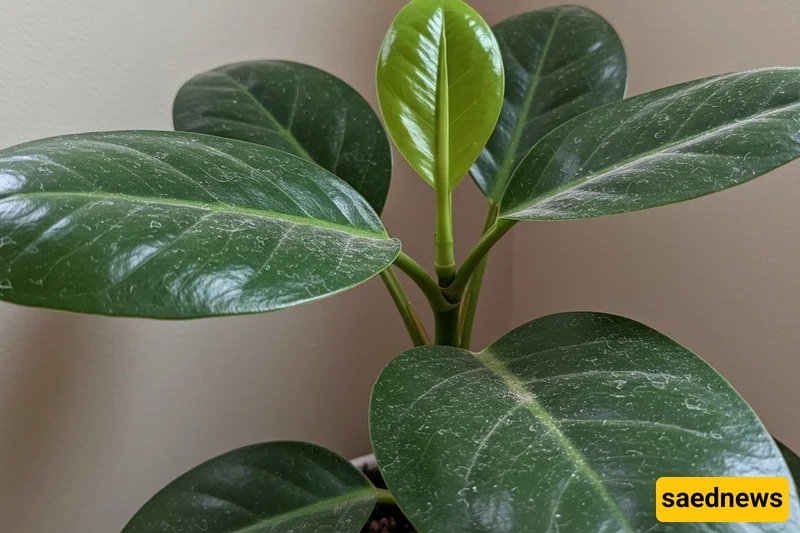
Dry indoor conditions can contribute to static electricity on surfaces. When leaves develop a static charge, lightweight dust particles may be attracted to them more easily. This can make freshly cleaned leaves collect airborne particles faster, particularly when the surrounding air is dry.
Moisture in the air can affect how particles behave. In some conditions, slightly damp dust may adhere more strongly to leaf surfaces. Excessively dry air, meanwhile, can increase the amount of floating dust and static electricity. Maintaining comfortable indoor humidity can therefore help reduce rapid dust buildup.
Regular gentle cleaning can help prevent dust from forming a thick layer on foliage. Using a soft, clean cloth and wiping leaves carefully can remove accumulated particles without damaging delicate surfaces. Keeping nearby areas reasonably clean and reducing unnecessary dust movement can also help leaves stay fresh-looking for longer.