SAEDNEWS: Some kitchen odors can linger despite regular cleaning because smell-causing particles may remain in hidden or porous areas. Grease, food residue, drains, sponges, and fabrics can absorb odors and gradually release them back into the air. Understanding these sources can make it easier to keep the kitchen fresh.

According to SAEDNEWS, small amounts of food can remain in corners, under appliances, inside cabinets, or around countertops. Even when surfaces appear clean, tiny residues may continue producing noticeable odors. Checking less visible areas during cleaning can help remove these persistent sources.
Cooking oils and grease can settle on walls, cabinets, ventilation filters, and nearby surfaces. Over time, these layers can absorb and hold different kitchen smells. Regularly cleaning grease-prone areas can prevent odors from becoming deeply embedded.
Kitchen drains can collect small food particles and other organic residue. Moist conditions may allow these materials to develop unpleasant smells that spread throughout the room. Cleaning the drain area regularly and flushing it appropriately can help reduce lingering odors.
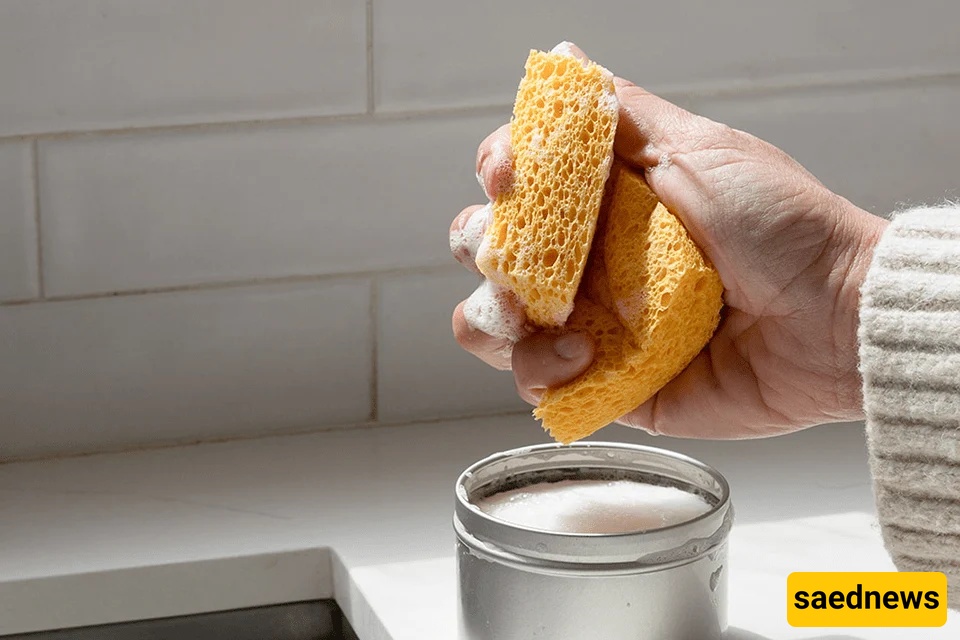
Kitchen sponges, towels, and cleaning cloths stay damp for long periods and can absorb food particles and odors. If they are not cleaned, dried, or replaced regularly, they may become an overlooked source of unpleasant smells. Keeping these items dry between uses can make a noticeable difference.
Even a clean kitchen can smell stale when air circulation is poor. Opening windows when appropriate and using a kitchen ventilation system while cooking can help remove odor particles before they settle on surfaces. Good airflow, combined with regular cleaning, is often the key to keeping the kitchen smelling fresh.