SAEDNEWS: Muskmelon seeds are an affordable, nutrient-dense food rich in plant-based protein. This article explores their scientifically backed health benefits, nutritional value, proper consumption methods, and important precautions.

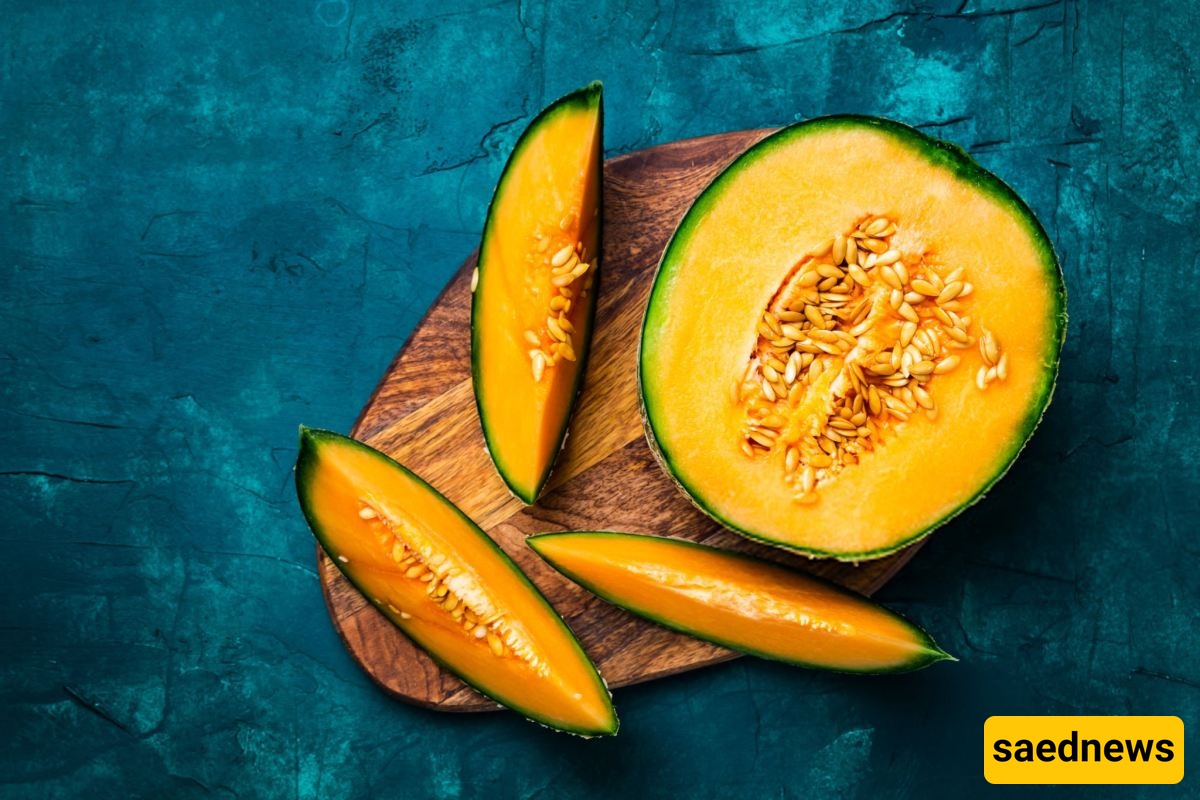
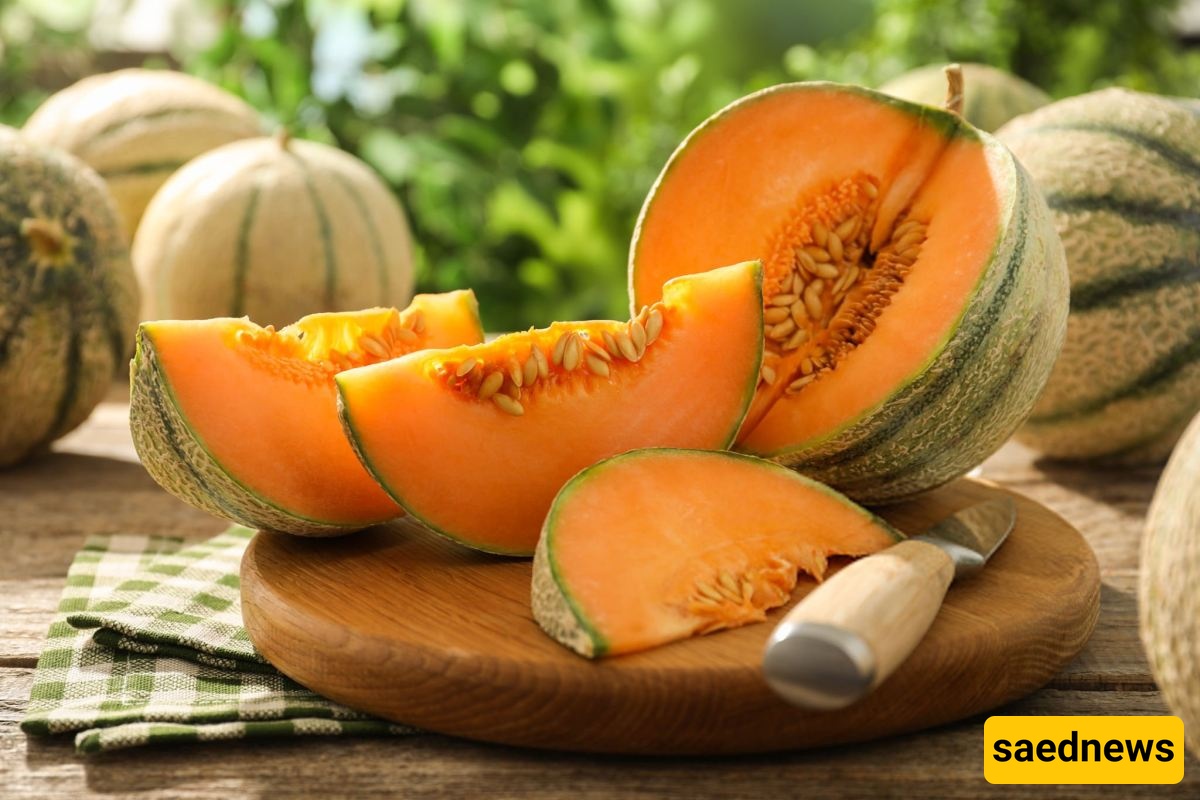
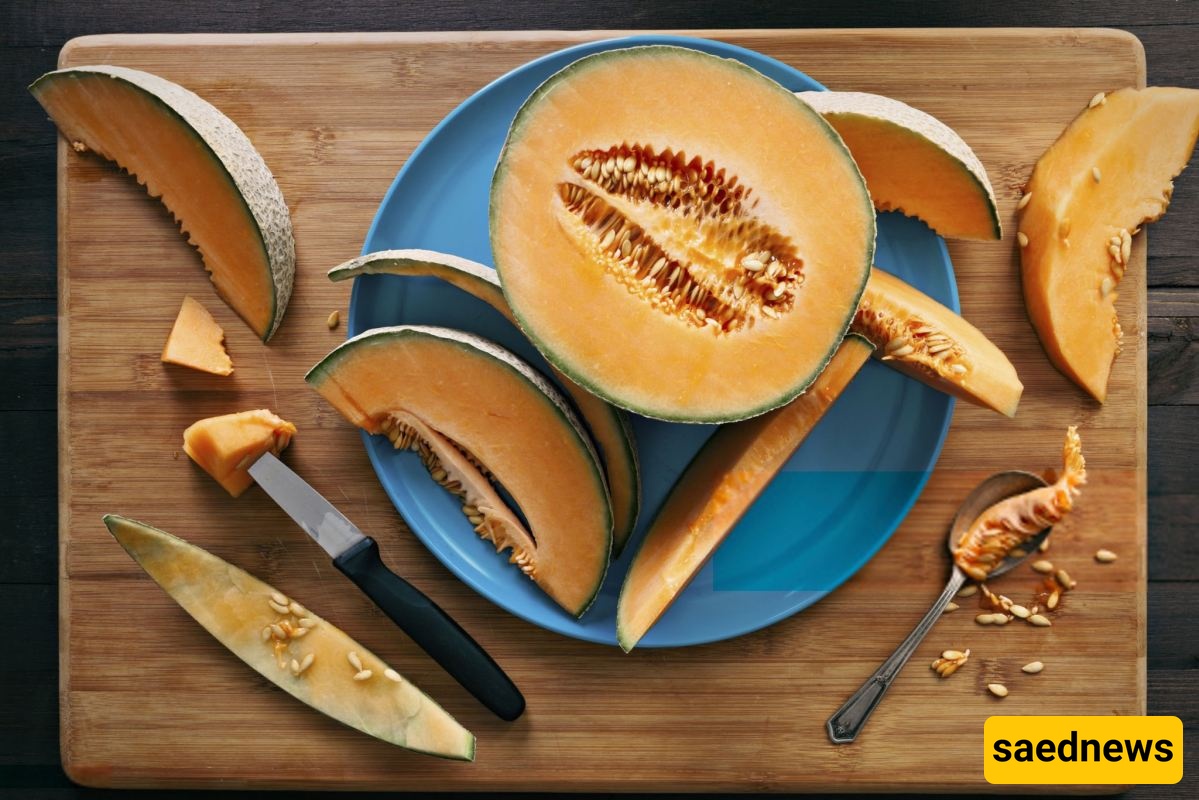
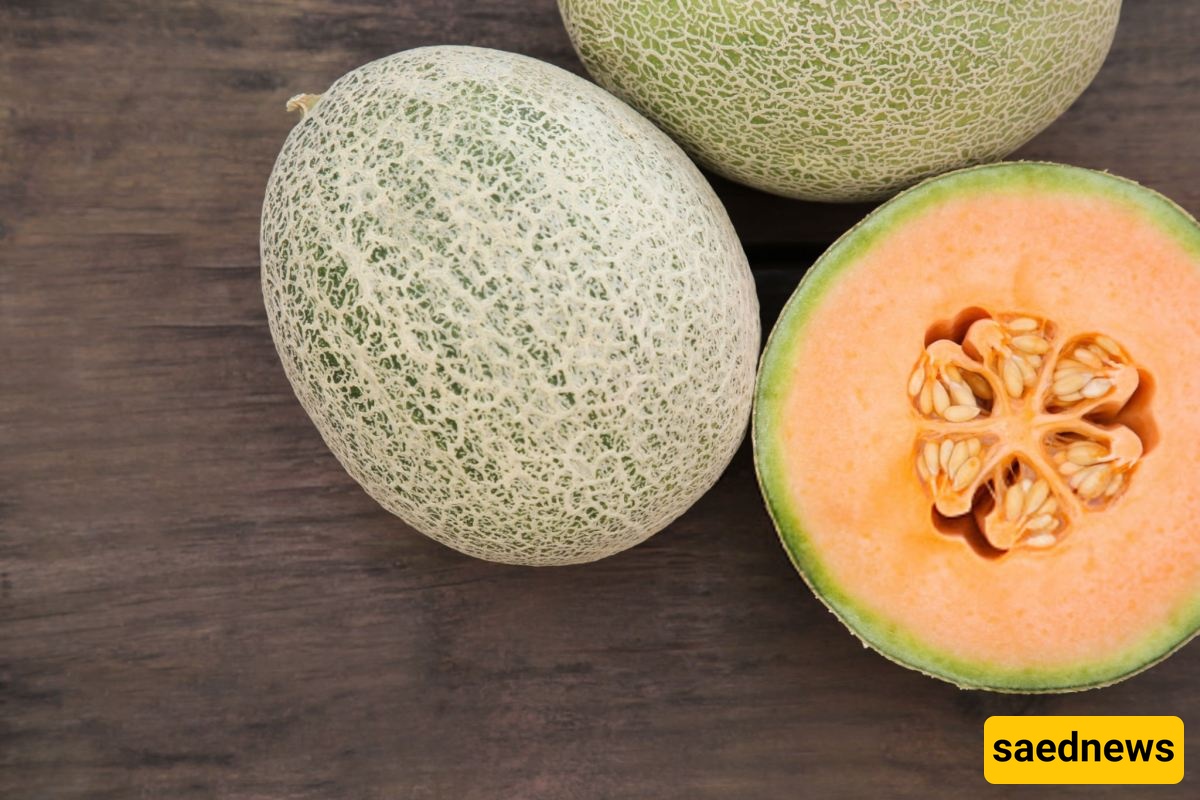
According to Saednews, Every time we eat a cantaloupe, we often throw away one of its most nutritious parts. Cantaloupe seeds, found at the center of this fragrant fruit, are not only edible but also considered a valuable source of essential nutrients.
In recent years, nutritionists and researchers have shown increasing interest in the nutritional properties of cantaloupe seeds. These tiny seeds are rich in plant-based protein, healthy fatty acids, essential minerals, and beneficial antioxidants.
In this article, we explore the potential health benefits of cantaloupe seeds, examine their nutritional value, explain the best ways to consume them, and discuss important precautions. If you are looking for a natural, affordable, and nutritious snack, read on.
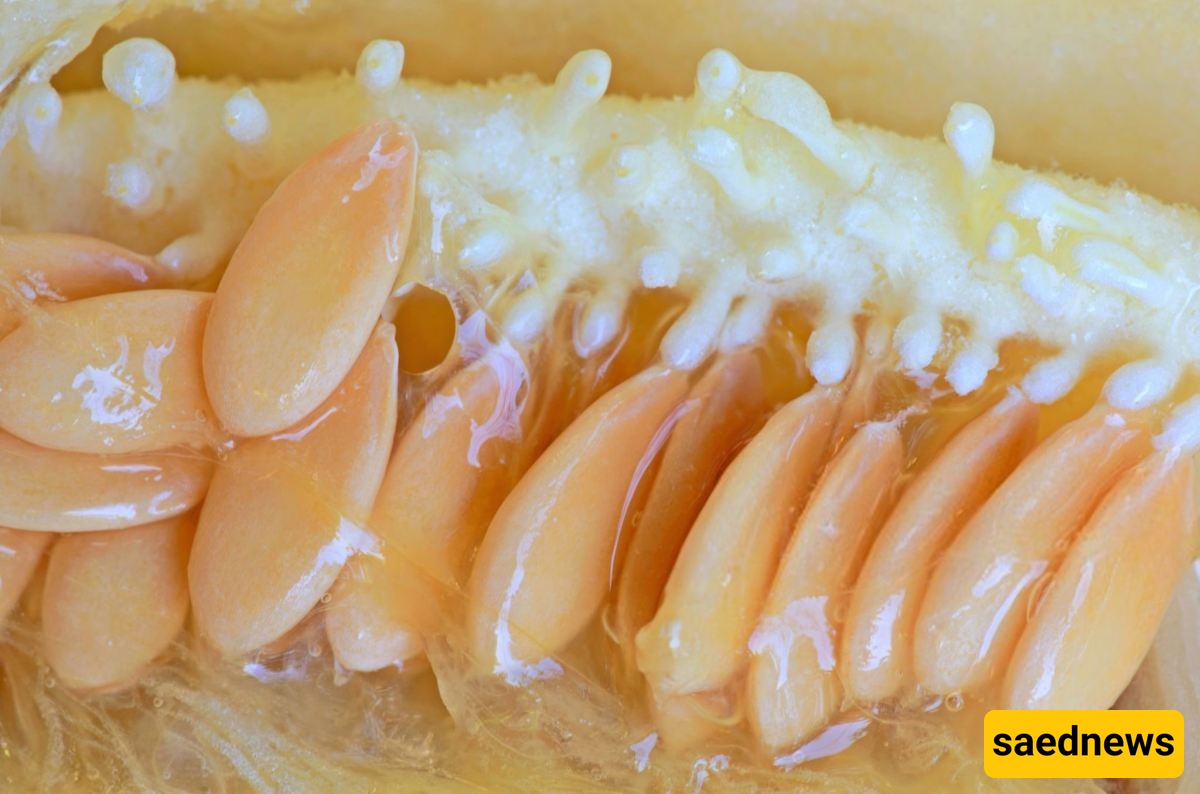
Cantaloupe seeds are nutritionally rich. According to nutritional sources, every 100 grams of dried cantaloupe seeds contains approximately the following nutrients:
Nutrient | Approximate Amount |
|---|---|
Calories | 500–560 kcal |
Protein | 23–25 g |
Healthy fats | 40–45 g |
Dietary fiber | 12–15 g |
Magnesium | About 500 mg |
Potassium | About 800 mg |
Iron | 7–8 mg |
Zinc | 7–8 mg |
Phosphorus, copper, and manganese | Significant amounts |
Vitamin E and B vitamins | Beneficial amounts |
Cantaloupe seeds are also a good source of unsaturated fatty acids, including linoleic acid and oleic acid. These are the same types of beneficial fats found in many heart-friendly vegetable oils. Combined with their high protein content, these nutrients make cantaloupe seeds a valuable addition to a balanced diet.
One of the notable nutritional benefits of cantaloupe seeds is their potential contribution to cardiovascular health.
The magnesium in these seeds helps regulate blood pressure and supports the relaxation of blood vessel muscles. Potassium also plays an important role in maintaining the body's sodium-potassium balance.
Unsaturated fatty acids may help improve cholesterol levels by reducing LDL (bad) cholesterol and supporting healthy HDL (good) cholesterol levels. Including moderate amounts of these seeds in a balanced diet may contribute to better heart health.
Cantaloupe seeds contain antioxidants and nutrients such as vitamin E, zinc, and phenolic compounds.
Vitamin E helps protect cells against oxidative damage caused by free radicals, while zinc is essential for the normal functioning of immune cells.
Since zinc deficiency can weaken immune defenses, consuming zinc-rich foods such as cantaloupe seeds may help support the body's natural ability to fight infections.
The dietary fiber in cantaloupe seeds supports healthy bowel movements and may help prevent constipation.
Fiber also serves as nourishment for beneficial gut bacteria, helping maintain a balanced gut microbiome.
People experiencing mild digestive issues may benefit from consuming these seeds in moderate amounts alongside adequate water intake.
Although cantaloupe seeds are relatively high in calories, their combination of protein and dietary fiber can help promote a feeling of fullness.
This may reduce unnecessary snacking and help prevent overeating throughout the day.
However, because these seeds contain considerable amounts of fat, eating large quantities can increase overall calorie intake and potentially contribute to weight gain. Portion control is therefore important.
Vitamin E and zinc are two important nutrients for maintaining healthy skin.
Vitamin E provides antioxidant protection against oxidative stress, which is associated with premature skin aging. Zinc supports tissue repair and helps regulate inflammatory processes in the skin.
Some studies suggest that zinc may play a role in managing acne and certain skin conditions. The healthy fatty acids in cantaloupe seeds may also help maintain skin moisture and flexibility.
Cantaloupe seeds contain magnesium, phosphorus, manganese, and copper, all of which contribute to bone health.
Magnesium plays a role in calcium metabolism and bone formation, while manganese contributes to collagen production.
Including these seeds as part of a balanced diet may help support bone health during both childhood development and older adulthood.
The fiber and magnesium found in cantaloupe seeds may contribute to better insulin sensitivity.
Research has associated magnesium-rich diets with a lower risk of developing type 2 diabetes.
However, cantaloupe seeds should not be considered a treatment for diabetes or a replacement for prescribed medication. People with diabetes should continue following their healthcare provider's recommendations.
Cantaloupe seeds contain tryptophan, an amino acid that serves as a precursor to serotonin and melatonin.
Melatonin is the hormone responsible for regulating the sleep-wake cycle. Magnesium may also support relaxation and normal nervous system function.
For this reason, a small serving of cantaloupe seeds in the evening may be a nutritious snack, although their direct effects on sleep quality have not been firmly established.
Zinc is an essential mineral for normal prostate function, and cantaloupe seeds provide a dietary source of this nutrient.
Some nutritional recommendations highlight zinc-rich seeds as part of a balanced diet for men, particularly during middle age and beyond.
However, consuming cantaloupe seeds has not been established as a way to prevent or treat prostate disease. Regular medical checkups remain important.
The antioxidants and healthy fatty acids in cantaloupe seeds may help support the body's natural defenses against oxidative stress and inflammation.
Some preliminary studies have also suggested that cantaloupe seed extracts may have protective effects on the liver.
However, much of this evidence comes from laboratory and experimental research. Further human studies are needed before firm conclusions can be drawn about their effects on liver health.
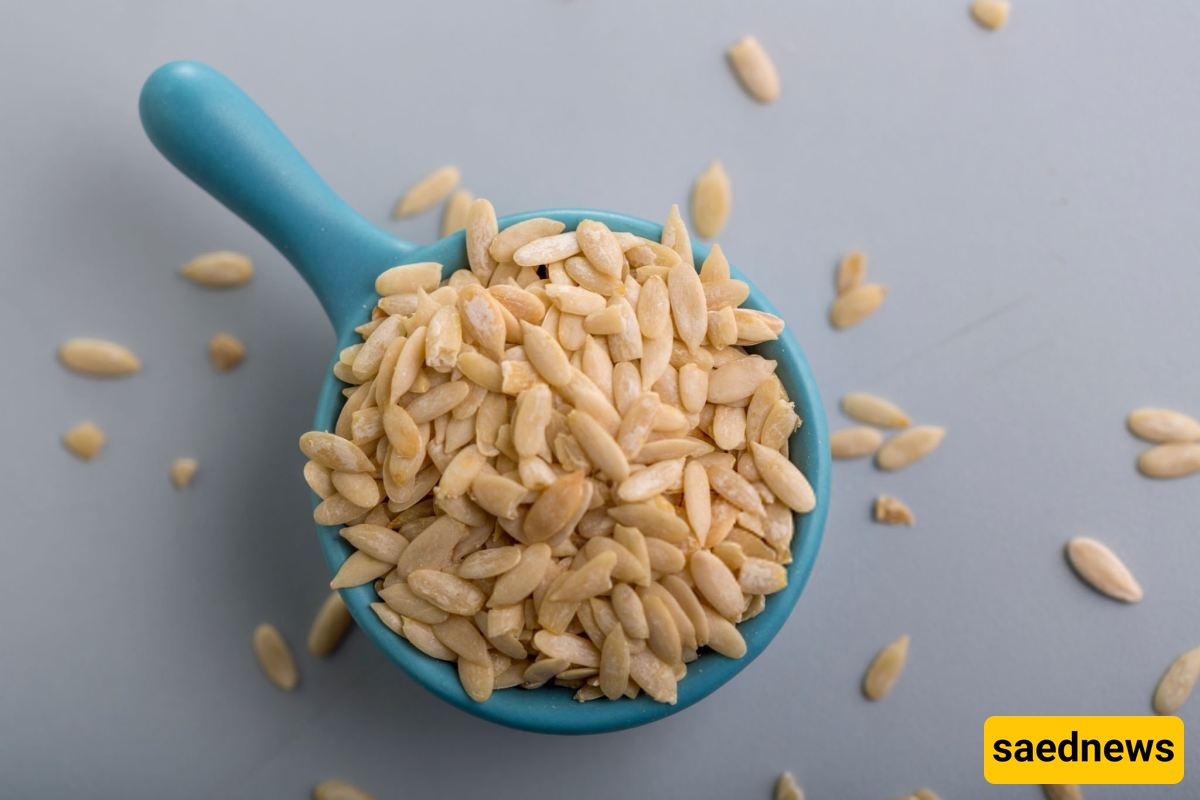
To enjoy the nutritional benefits of cantaloupe seeds, proper preparation and moderate consumption are important.
Wash thoroughly: Remove the seeds from the fruit and rinse them under cold water to remove any remaining fruit pulp and sugars.
Dry properly: Spread the cleaned seeds on a clean towel and allow them to dry in the shade or under gentle sunlight.
Lightly roast: Roast the seeds in a dry pan over low heat, without oil, to improve their flavor and aroma.
Eat in moderation: For most people, one to two tablespoons of shelled cantaloupe seed kernels per day is a reasonable serving suggestion.
Add them to meals: Sprinkle the seeds over salads, yogurt, soups, and smoothies, or incorporate them into homemade bread and cakes.
Although cantaloupe seeds are natural and nutritious, excessive consumption or improper preparation may cause problems.
High calorie and fat content: Eating large quantities may contribute to excessive calorie intake and weight gain.
Digestive discomfort: Consuming whole, unshelled seeds may cause bloating or stomach discomfort in some people.
Allergic reactions: Although uncommon, people with allergies to plants in the cucurbit family may experience allergic reactions.
Possible medication considerations: Due to their potassium content, people taking potassium supplements or certain medications that affect potassium levels should consult their healthcare provider.
Seed quality and safety: Avoid moldy, spoiled, or improperly stored seeds. Excessive roasting at very high temperatures should also be avoided.
Cantaloupe seeds are often overlooked, but they contain a variety of valuable nutrients, including plant-based protein, healthy fats, fiber, magnesium, zinc, and antioxidants.
When properly cleaned, prepared, and consumed in moderation, they can be a nutritious addition to everyday meals. While some of their potential health benefits are promising, further human research is needed to confirm specific medical effects.
Instead of throwing away these often-discarded seeds, consider making them part of a balanced and varied diet.