SAEDNEWS: A solar power system is an integrated combination of solar panels, an inverter, a charge controller, batteries, and protective equipment designed to convert sunlight into usable electricity.

According to Saednews, A solar power kit is an integrated set of equipment designed to convert sunlight into usable electricity. In its simplest form, it consists of solar panels, an inverter, and protective devices. More advanced systems may also include batteries, charge controllers, mounting structures, wiring, and monitoring systems. Solar kits can be purchased as ready-made packages or custom-designed and assembled according to the user's energy requirements.
It is important to understand that a solar power kit is not a one-size-fits-all product. Its capacity and component configuration must be determined based on daily energy consumption, the peak power requirements of electrical appliances, the geographical conditions of the installation site, and the project's financial objectives. For example, a solar kit suitable for providing lighting in a garden may not be powerful enough to supply electricity to a small industrial facility.
From a technical perspective, a solar power kit is essentially a small photovoltaic (PV) system that incorporates several stages of energy conversion: sunlight is converted into direct current (DC), DC electricity is converted into alternating current (AC), and, when required, excess energy is stored in batteries for use during periods of low sunlight.
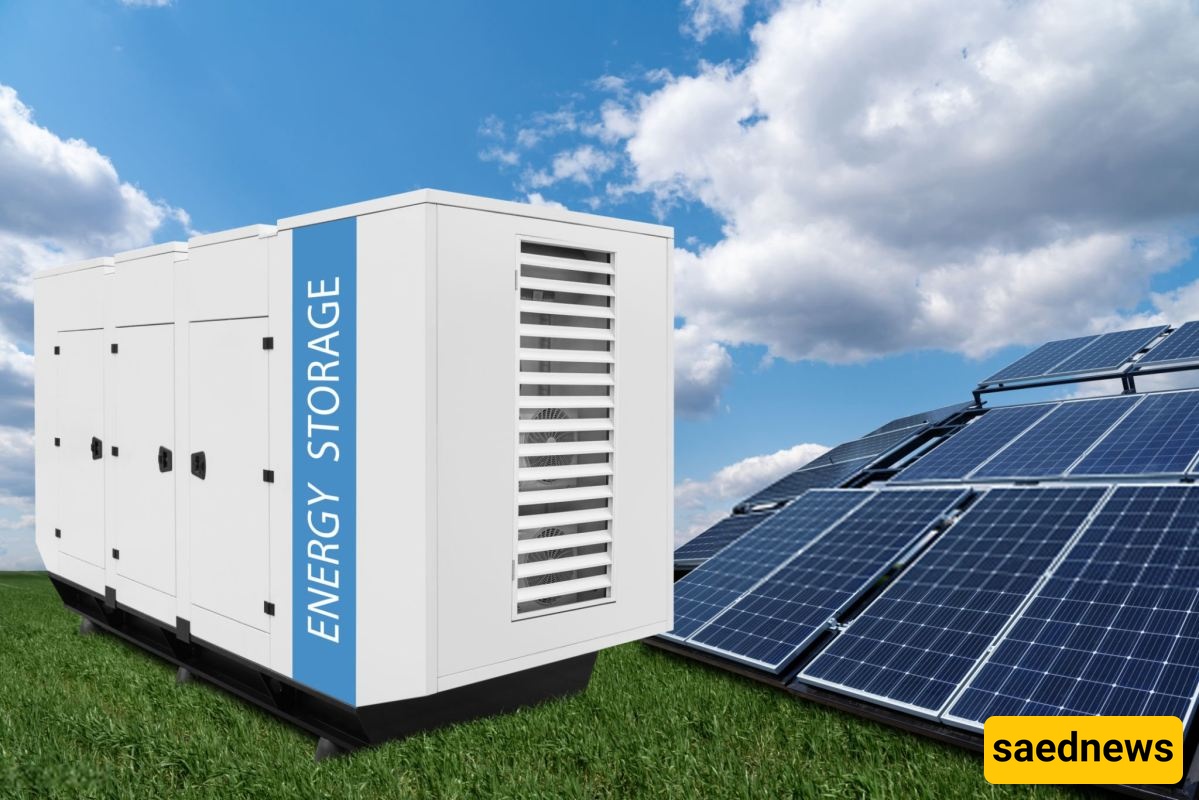
Solar power kits can be divided into three main categories according to how they interact with the public electricity grid. Understanding these categories is the first step toward choosing the right system.
An on-grid solar power kit feeds the electricity generated by solar panels into the public electricity grid after converting it into alternating current (AC).
These systems generally do not include batteries. Excess electricity generated during the day can be exported to the grid, while electricity is drawn from the grid at night or whenever solar production is insufficient.
On-grid systems are usually the most cost-effective option in areas with reliable access to the electricity network. According to the Solar Energy Industries Association (SEIA), more than 90% of installed residential solar capacity in the United States is grid-connected.
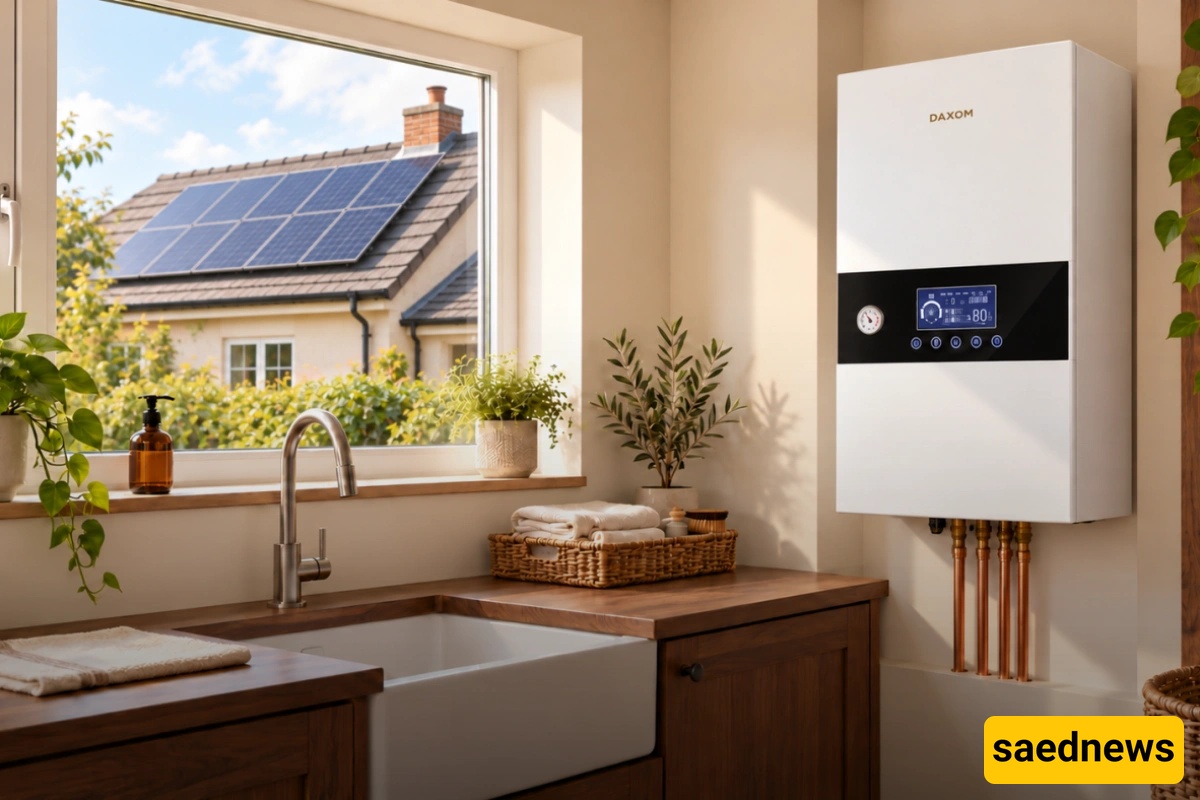
An off-grid solar power kit is designed for locations without access to the public electricity grid or where connecting to the grid is prohibitively expensive.
In these systems, batteries play a central role because electricity generated during sunny hours must be stored for use at night and on cloudy days.
Solar power kits used in villas, gardens, remote communication stations, and roadway lighting systems commonly belong to this category.
One of the main challenges in designing an off-grid system is accurately calculating battery capacity based on the required number of autonomy days, which refers to how long the system must operate without sufficient solar energy generation.
A hybrid solar power kit combines the features of on-grid and off-grid systems. Solar panels, batteries, and the public electricity grid work together under an intelligent energy management system.
A hybrid inverter or controller determines which energy source should supply electricity at any given time.
These systems offer considerable flexibility and can continue supplying selected electrical loads during grid outages, provided the system is properly configured.
Hybrid solar kits are a popular choice for households looking to reduce electricity bills while improving energy security and supply reliability.
To understand how a solar power kit works, it is essential to examine its individual components. The following sections explain the seven main components and their specific functions.
Solar panels consist of multiple photovoltaic cells that generate direct current (DC) electricity when exposed to sunlight.
This phenomenon, known as the photovoltaic effect, was first observed in the nineteenth century and is now the foundation of modern commercial solar technology.
Most solar panels are manufactured using silicon and are available in three main types:
Monocrystalline panels: These generally offer the highest efficiency, typically around 18–22%, making them suitable for installations with limited space.
Polycrystalline panels: These have slightly lower efficiency but are generally more affordable.
Thin-film panels: These are more flexible and are used in specialized applications such as building facades and curved surfaces.
The right panel type depends on available installation space, mounting angle, budget, and expected service life.
According to reports from the US National Renewable Energy Laboratory (NREL), the efficiency of commercial solar panels has been improving over time, with technological advancements continuing to increase their performance.
A solar inverter converts the direct current generated by solar panels or stored in batteries into alternating current (AC).
Since most household and industrial electrical appliances operate on AC electricity, the inverter is an essential component of almost every solar power kit.
Solar inverters are available in three main categories:
Grid-tie inverters
Off-grid inverters
Hybrid inverters
One of the most important factors when selecting an inverter is its conversion efficiency. Modern inverters typically achieve efficiencies of approximately 95–98%, while lower-quality models may waste a significant portion of the electricity generated.
Matching inverter capacity with the total capacity of the solar panel array is equally important. An undersized inverter can limit energy production, while an oversized inverter may operate less efficiently under low-load conditions.
In solar power kits equipped with batteries, the charge controller regulates the voltage and current flowing from the solar panels to the battery bank.
Its primary purpose is to prevent overcharging and deep discharging, helping extend battery life and maintain system performance.
Solar charge controllers are available in two main types:
PWM (Pulse Width Modulation)
MPPT (Maximum Power Point Tracking)
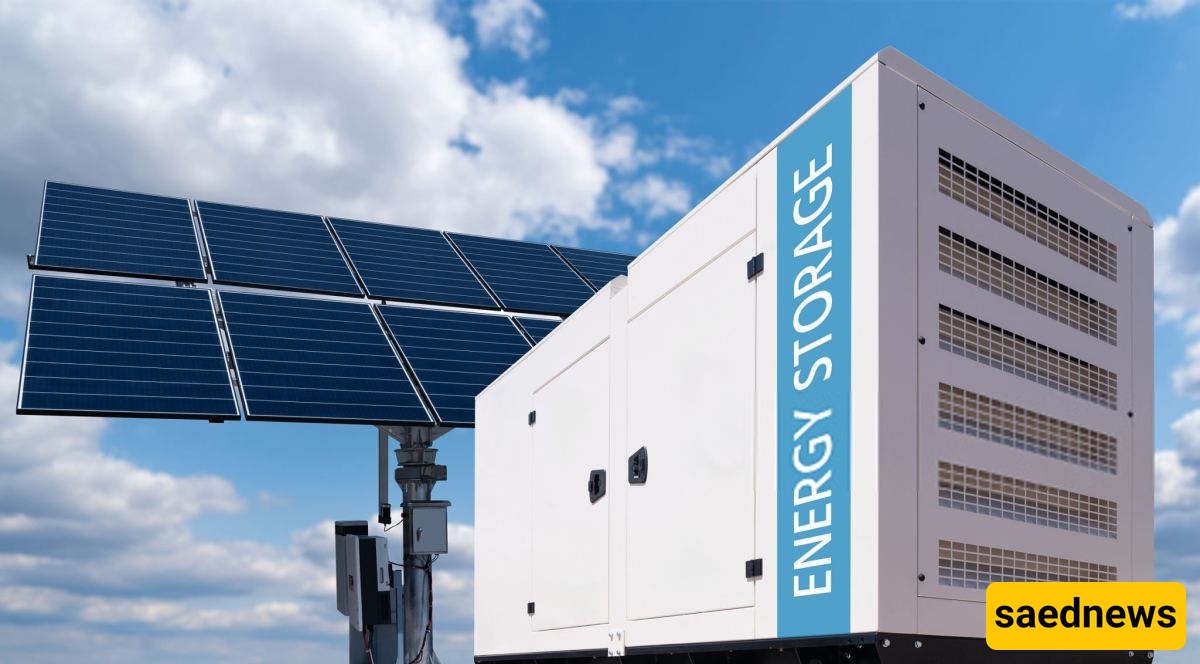
PWM controllers are simpler and less expensive, making them suitable for smaller solar installations.
MPPT controllers use maximum power point tracking technology to extract more available energy from solar panels. Under suitable operating conditions, they can deliver significantly higher energy yields than PWM controllers, particularly when there is a considerable voltage difference between the solar panels and the battery bank.
For this reason, MPPT controllers are generally the preferred choice for medium- and large-capacity solar power systems.
A solar battery stores electricity generated during daylight hours so that it can be used at night or during periods of cloudy weather.
In off-grid solar systems, batteries are essential. Grid-connected systems generally operate without batteries, while hybrid systems use them for backup power and energy management.
Solar batteries are available in three main categories:
Lead-acid batteries, including Flooded and AGM types
Gel batteries
Lithium-ion batteries, particularly Lithium Iron Phosphate (LFP)
LFP batteries offer a longer cycle life, typically around 3,000–6,000 cycles, and provide better resistance to deep discharge. However, they generally have a higher initial purchase cost.
Lead-acid batteries are more affordable but have a shorter service life and usually require more maintenance.
Battery selection should take into account several factors, including:
Depth of Discharge (DoD)
Number of charge and discharge cycles
Operating temperature
Initial investment and maintenance costs
The mounting structure securely supports solar panels and positions them at an appropriate angle to maximize sunlight exposure.
The optimal panel installation angle depends largely on the geographical latitude of the installation site. In general, in the Northern Hemisphere, an angle close to the site's latitude can provide good annual solar energy production.
Mounting structures must be sufficiently strong to withstand wind, snow, and other environmental conditions while preventing corrosion.
For rooftop installations, the mounting system depends on the roof material and design, such as:
Pitched roofs
Metal roofs
Concrete roofs
For ground-mounted installations, either fixed structures or solar tracking systems (Trackers) can be used.
Solar trackers follow the sun throughout the day and can increase energy capture by up to 25% in suitable conditions. However, they also involve higher costs and greater mechanical complexity.
Electrical wiring and protective equipment are essential parts of every solar power kit.
DC cables must be capable of handling the system's electrical current and environmental conditions while minimizing voltage losses.
The use of appropriate protective devices helps improve electrical safety and system reliability. These include:
Fuses
Circuit breakers
Residual Current Devices (RCDs)
Grounding and earthing equipment
Surge protection devices (SPDs)
International standards such as IEC 62548 and NEC Article 690 establish important requirements for the design and installation of photovoltaic systems.
Ignoring electrical wiring requirements and protection measures can lead to fire hazards, equipment damage, and reduced system efficiency.
Therefore, solar power kits should be installed by qualified technicians in accordance with applicable local electrical and safety standards.
Many modern solar power kits include monitoring systems that allow users to track system performance.
These systems can display important information locally or remotely, including:
Solar energy production
Electricity consumption
Battery charge and discharge status
Inverter operating conditions
Overall system performance
Some monitoring systems also provide automatic alerts when they detect performance drops, technical faults, or abnormal operating conditions.
By identifying potential problems at an early stage, monitoring systems help users maintain optimal performance and prevent unnecessary energy losses.
A solar power kit is more than just a collection of solar panels and electrical equipment. It is an integrated energy solution that converts sunlight into electricity, manages energy consumption, and, when necessary, stores excess power for later use.
Choosing the right system requires careful consideration of energy requirements, installation conditions, available space, budget, and the desired level of energy independence.
Whether the goal is to provide electricity for a small garden, a residential property, a remote location, or an industrial facility, selecting the appropriate solar power kit is essential for achieving reliable performance, long-term savings, and efficient energy management.