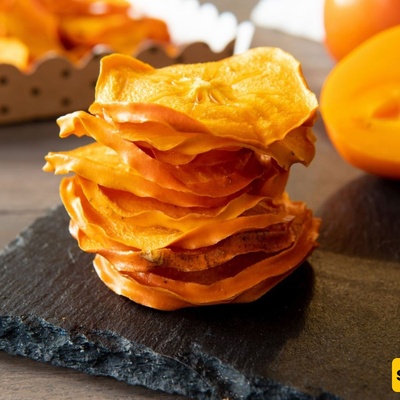
SAEDNEWS: Drying persimmons on a heater or radiator is a simple and convenient way to preserve this seasonal fruit and extend its shelf life. Discover how to do it at home.
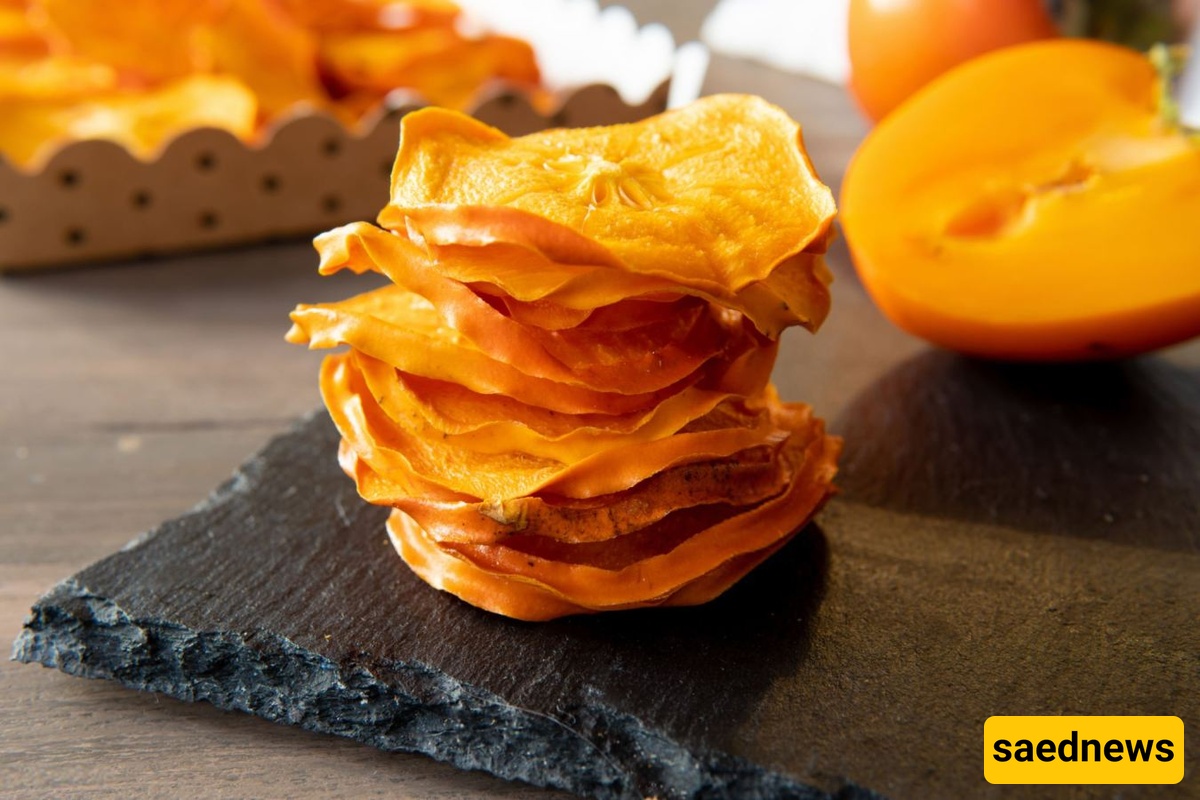
According to Saednews, Drying persimmons is one of the most popular ways to preserve this delicious seasonal fruit. During persimmon season, many people find themselves with an abundance of fruit and look for simple ways to extend its shelf life.
Among the available methods, drying persimmons on a radiator or heater has attracted attention because these heating appliances are commonly available in many homes. However, this method requires proper hygiene, safety precautions, and temperature control to ensure the final product is healthy, flavorful, and long-lasting.
In this article, we will explain how to dry persimmons on a radiator and a heater, step by step. We will also cover important tips for choosing the right fruit, preparing it, determining drying time, preventing mold, and storing dried persimmons properly.

Persimmons are seasonal fruits with a relatively short shelf life at room temperature. Drying them not only extends their storage life but also reduces their volume, making them convenient to enjoy as snacks, in herbal teas, or as ingredients in baking.
Using a radiator or heater to dry persimmons has several advantages, including convenience, avoiding the additional energy consumption of an electric food dehydrator, and the ability to dry small quantities of fruit at home. However, this method also has some limitations.
Direct or excessive heat can damage the fruit's texture, reduce its nutritional value, and increase the risk of mold growth if proper ventilation is not maintained.
Therefore, drying persimmons on a radiator or heater should always be done using gentle heat, adequate airflow, and a safe distance from the heat source. Placing fruit directly on a hot radiator or heater is not recommended, as it can cause sticking, surface burning, dust contamination, and potential microbial growth.
The quality of dried persimmons largely depends on the quality of the fresh fruit. For drying, choose ripe but relatively firm persimmons. Avoid fruit that is excessively soft, bruised, crushed, or showing signs of mold.
Check the fruit for consistent coloring, cracks, and unusual odors. If you are using astringent persimmons, make sure they have fully ripened and undergone the natural de-astringency process before drying. Otherwise, the dried fruit may retain an unpleasant astringent taste.
After selecting the fruit, wash the persimmons thoroughly and dry them with a clean towel. Remove the leafy calyx and any hard parts around the stem. Peeling is optional. Some people prefer to remove the skin because it can produce a softer texture and reduce drying time.
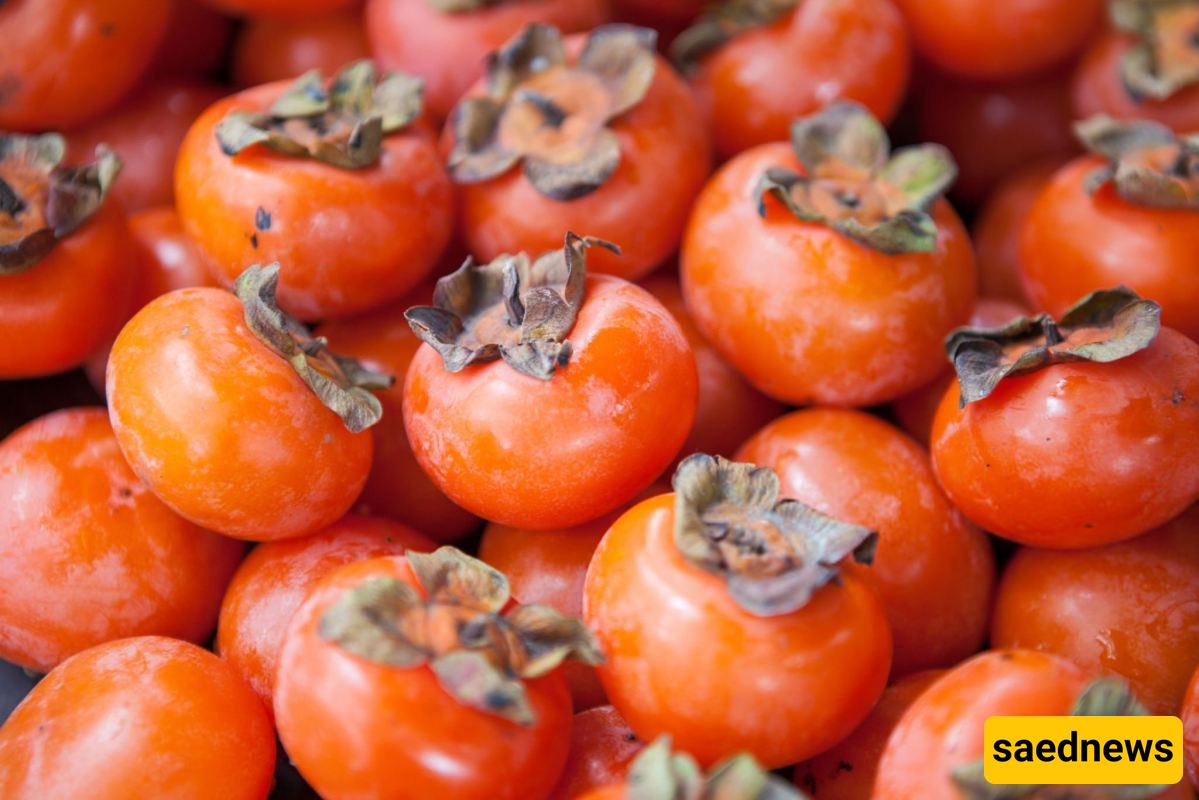
Place each persimmon on a clean cutting board and slice it into evenly sized pieces. The recommended thickness is approximately 5–8 mm.
Thinner slices dry more quickly but may become excessively crisp and brittle. Thicker slices take longer to dry and may develop mold in warm, humid conditions.
Remove any seeds from the fruit. If the persimmons are very ripe, you can cut them into rings or half-rings.
To prevent excessive discoloration, you can optionally soak the slices in a diluted mixture of water and lemon juice for a few minutes. Then dry them thoroughly with a clean towel. This step is optional, and the fruit should not remain excessively wet.
You will need a few simple household items:
A clean cutting board and knife
A metal mesh rack or wire tray
Food-grade parchment paper
A clean, lightweight mesh cloth to protect the fruit from dust
An airtight storage container
A basic thermometer, if available
Using a mesh rack is particularly important because it allows air to circulate around the fruit and helps prevent moisture buildup.
Never place persimmons directly on damp cotton fabric, newspaper, or painted surfaces.
To dry persimmons on a radiator, first set the radiator to a gentle heat level. Since radiator surfaces can become very hot, never place persimmon slices directly on them.
The preferred method is to position a metal mesh rack approximately 10–15 cm above the radiator.
Cover the rack with food-grade parchment paper or a clean suitable liner, then arrange the persimmon slices in a single layer, leaving space between each piece. Make sure the slices do not overlap.
Cover them with a lightweight mesh cloth to protect against dust while allowing air to circulate.
Turn the slices every 4–6 hours using clean hands or kitchen tongs. This helps ensure even drying and prevents the fruit from sticking to the rack.
If a slice sticks to the surface, do not pull it off forcefully. Allow a little more time for the gentle heat to loosen it.
Radiators generally provide more consistent heat than many household heaters, making them a potentially better option for gentle drying.
Follow these additional guidelines:
Maintain gentle heat: The ideal temperature for drying fruit is approximately 40–50°C (104–122°F). If the radiator surface is too hot, increase the distance between the rack and the heat source.
Use a suitable rack: Cover the mesh rack with food-grade parchment paper and arrange the slices with enough space between them. Never place fruit directly on the radiator, painted surfaces, dirty fabric, or newspaper.
Protect the fruit: Cover the rack with a lightweight mesh cloth to keep dust away without restricting airflow. Avoid plastic coverings because they trap moisture and encourage mold growth.
Turn the slices regularly: Turn them every 4–6 hours. Depending on slice thickness, humidity, and radiator temperature, drying may take approximately 12–24 hours. Thinner slices usually dry faster.
Be careful overnight: If you switch off the radiator at night, move the rack to a warm, dry room or allow the drying process to continue using the remaining warmth. Leaving fruit in a cold, humid environment overnight can increase the risk of mold.
Drying persimmons on a heater requires extra caution, especially when using gas, kerosene, or open-flame heaters.
Combustion gases, smoke, and dust can settle on the fruit, potentially making it unsafe to eat.
For this reason, follow these precautions:
Prefer an electric heater or an indirect heat source.
Never place persimmons directly on a hot heater surface, heating elements, or in front of a hot-air outlet.
Position the mesh rack at a safe distance from the heat source, allowing warm air to circulate underneath and around the fruit without overheating it.
If you use a gas or kerosene heater, do not place fruit directly above it or in a position where combustion products can contaminate it. Use indirect room heating or a gently heated electric appliance instead.
Never cover a heater with fabric or anything that blocks its ventilation. Doing so can increase the risk of fire or dangerous gas buildup.
If you notice the smell of fuel, smoke, or gas, immediately move the fruit away and ventilate the room.
Drying time on a heater may be similar to that on a radiator, although stronger and less consistent heat may require more frequent adjustments.
Check and turn the slices every 3–4 hours.
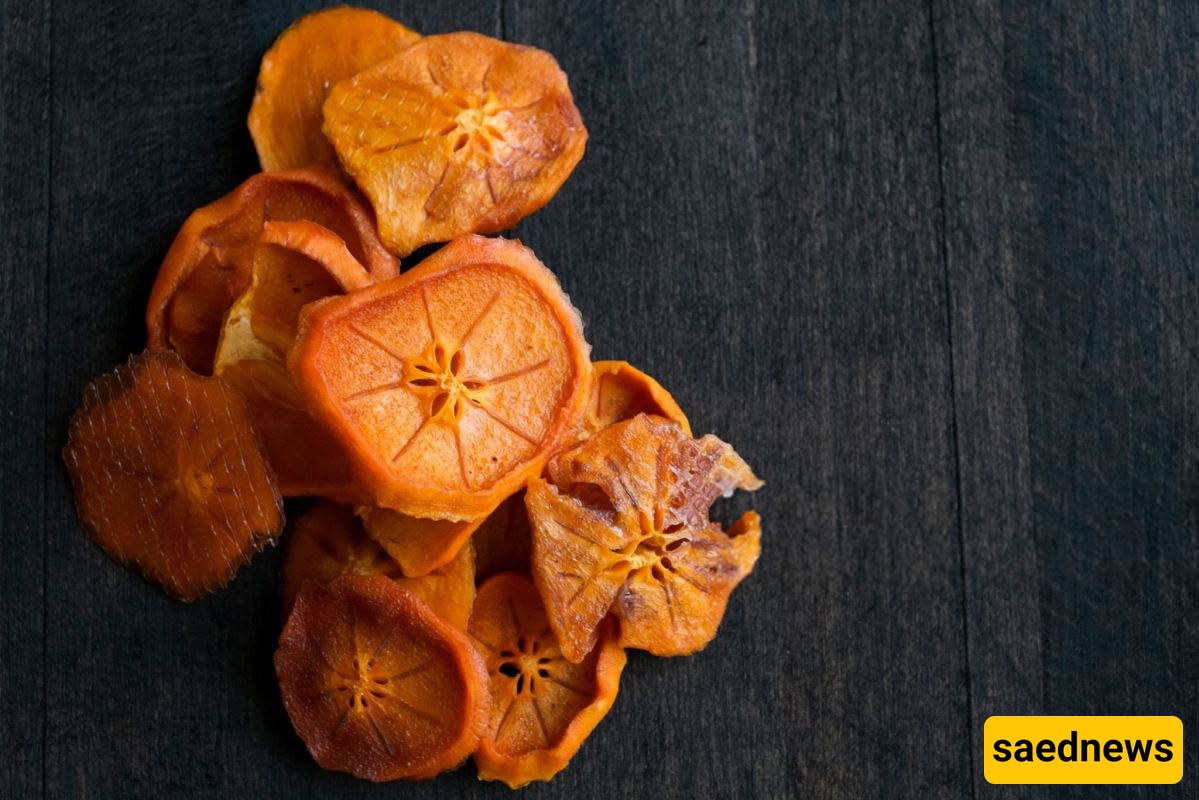
Properly dried persimmons should have a leathery, flexible texture. They should be neither wet nor completely brittle.
Use the following checks:
Bend a slice in half. No moisture should come out.
The surface should not feel sticky.
Gently press the slice between your fingers. No noticeable liquid or moisture should be released.
The color should become darker, and the fruit should look smaller and more concentrated.
If the slices still feel moist, continue drying them for a few more hours.
If they become excessively dry and brittle, you can soften them later by soaking them in warm water or tea before eating.
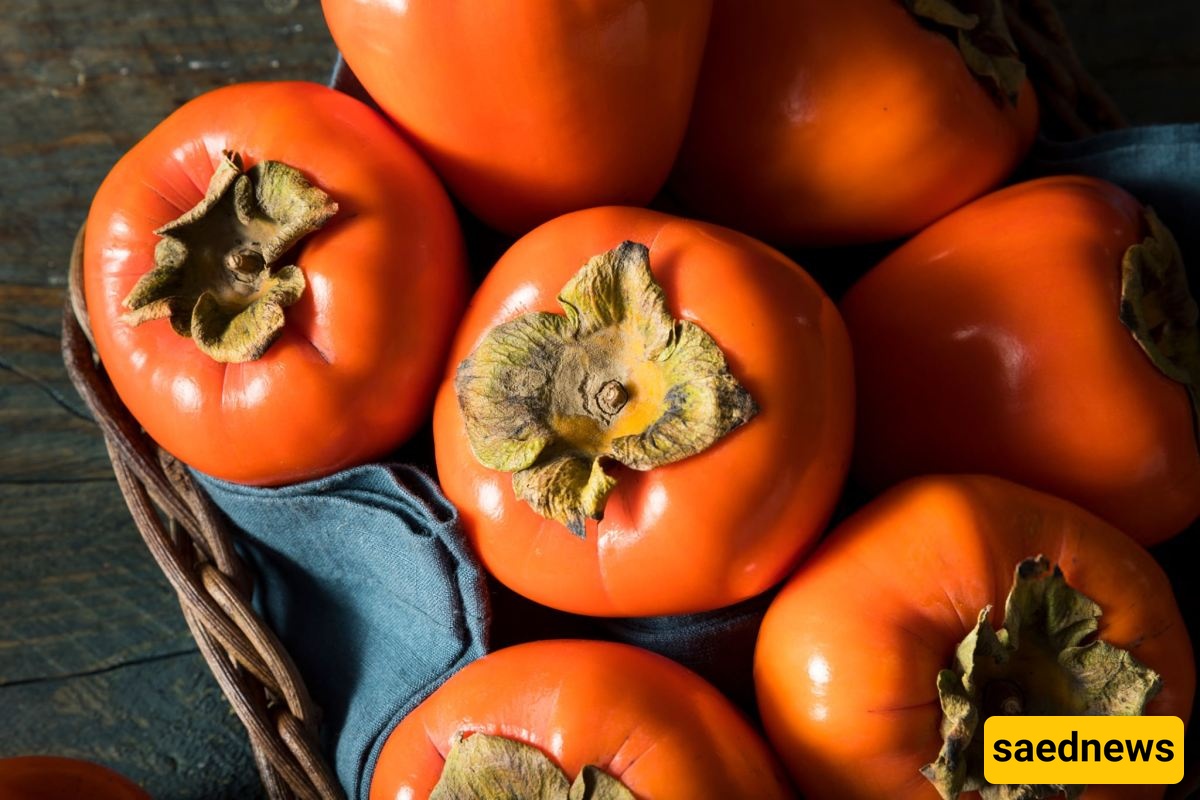
Mold is one of the most important risks associated with home fruit drying.
To prevent mold growth, follow these recommendations:
Avoid bruised, moldy, or excessively overripe fruit.
Arrange the slices in a single layer with sufficient space between them.
Maintain good airflow and avoid plastic coverings.
Monitor room humidity. Drying may take longer during rainy or humid weather.
Allow the fruit to cool completely before storing it.
Store the dried persimmons in a clean, completely dry, airtight container.
If you notice white, green, blue, or fuzzy spots on the fruit, discard the affected persimmons. Simply removing the visibly moldy area is not sufficient because mold may have penetrated deeper into the fruit.
Once the persimmons are completely dry and have cooled down, transfer them to a clean, dry glass jar or a food-safe airtight plastic container.
Write the preparation date on the container to keep track of storage time.
Follow these storage tips:
Keep the container in a cool, dry place away from direct sunlight.
Store it in the refrigerator to extend shelf life.
For storage over several months, the freezer is a suitable option.
Check the container regularly. If you notice moisture or condensation inside, the fruit may need additional drying.
Dried persimmons are versatile and can be enjoyed in many different ways.
You can eat them as a healthy snack, serve them with tea, add them to breakfast cereals, use them in herbal infusions, or incorporate them into homemade bread and desserts.
For a softer texture, soak the dried slices in warm water or warm milk for a few minutes before serving.
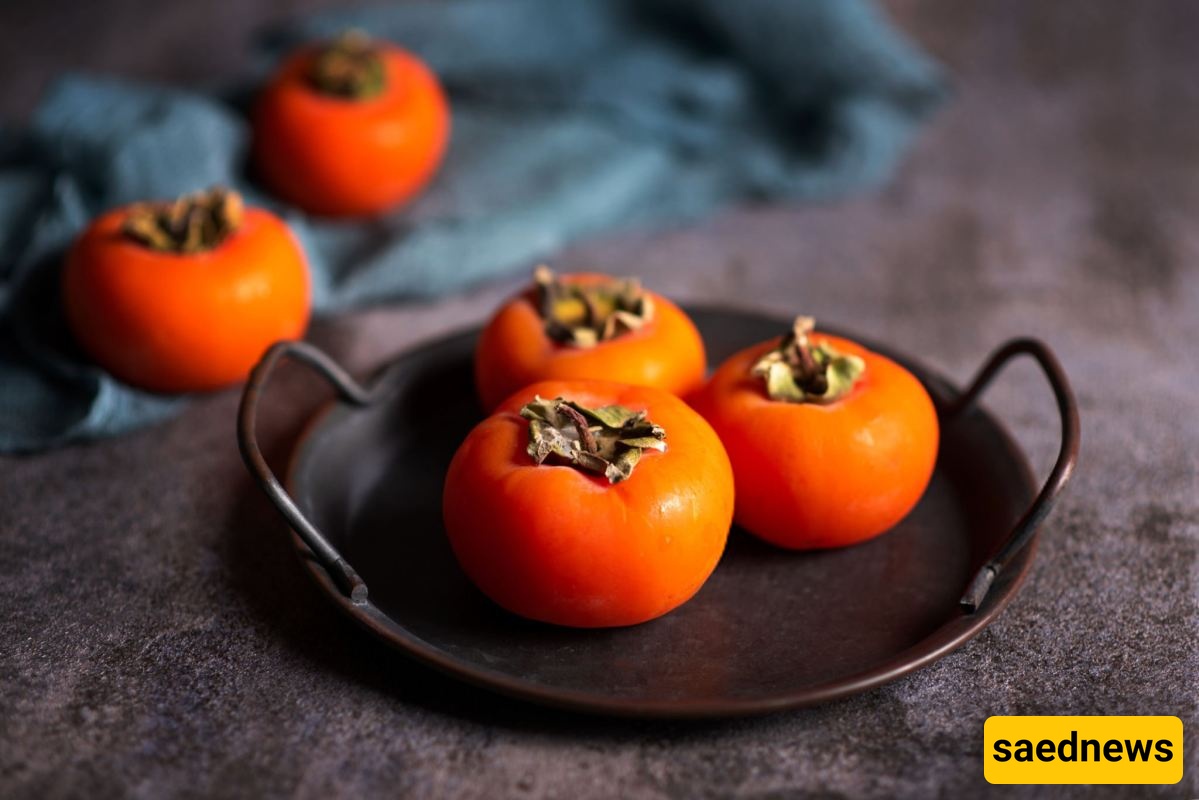
When drying persimmons at home, always keep the following safety precautions in mind:
Never place persimmons directly on a heater, hot radiator, flame, or gas or kerosene heater.
Use food-grade mesh racks and parchment paper.
Maintain adequate room ventilation.
Keep children and pets away from the drying equipment.
Never block a heater or radiator with fabric or mesh that could interfere with ventilation.
If you notice smoke, fuel, or gas odors, move the fruit away and ventilate the room.
Never compromise household safety for the sake of drying fruit.
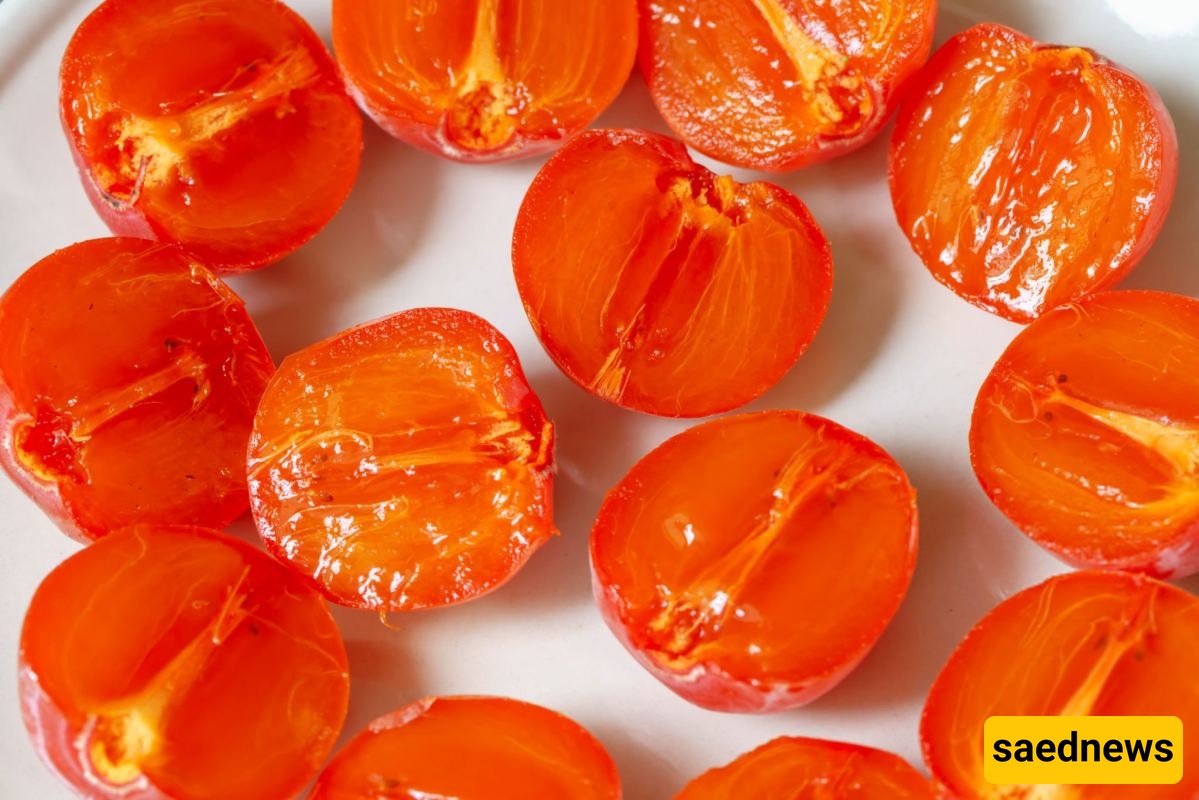
Final Note: Drying persimmons on a radiator or heater can be a convenient home-preservation method when performed carefully. However, temperature control, proper airflow, food hygiene, and safe separation from heating appliances are essential for achieving good results and reducing the risk of contamination or mold.