SAEDNEWS: Slow growth, pale leaves, and long, weak stems can indicate that a green-leaf plant is not receiving enough light.
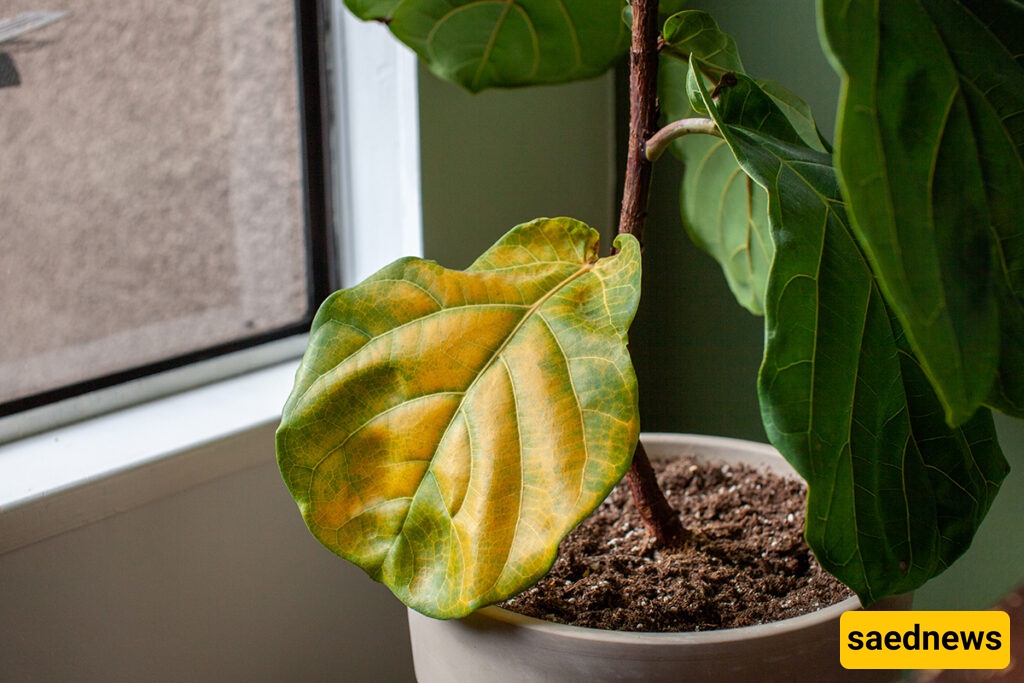
According to SAEDNEWS, green-leaf plants need adequate light for photosynthesis and healthy growth. When light levels are too low, plants may gradually change in appearance rather than showing an immediate problem. Recognizing these signs early can help gardeners adjust the plant’s location before its growth becomes severely affected.
Several changes can suggest that a plant is receiving less light than it needs:
Slow or limited growth: New leaves may appear less frequently, and overall growth can become noticeably slower.
Pale or lighter leaves: Leaves may lose some of their normal green color when photosynthesis is limited.
Long, thin stems: A plant may stretch toward a light source, producing elongated stems with greater spaces between leaves.
Smaller new leaves: Fresh growth may be smaller than earlier leaves, particularly when low light continues.
Sparse foliage: Some plants may produce fewer leaves, creating a thinner appearance over time.
Leaves turning yellow: Yellowing can occur for several reasons, including watering problems or nutrient issues, but insufficient light can also contribute to poor plant growth and leaf decline.
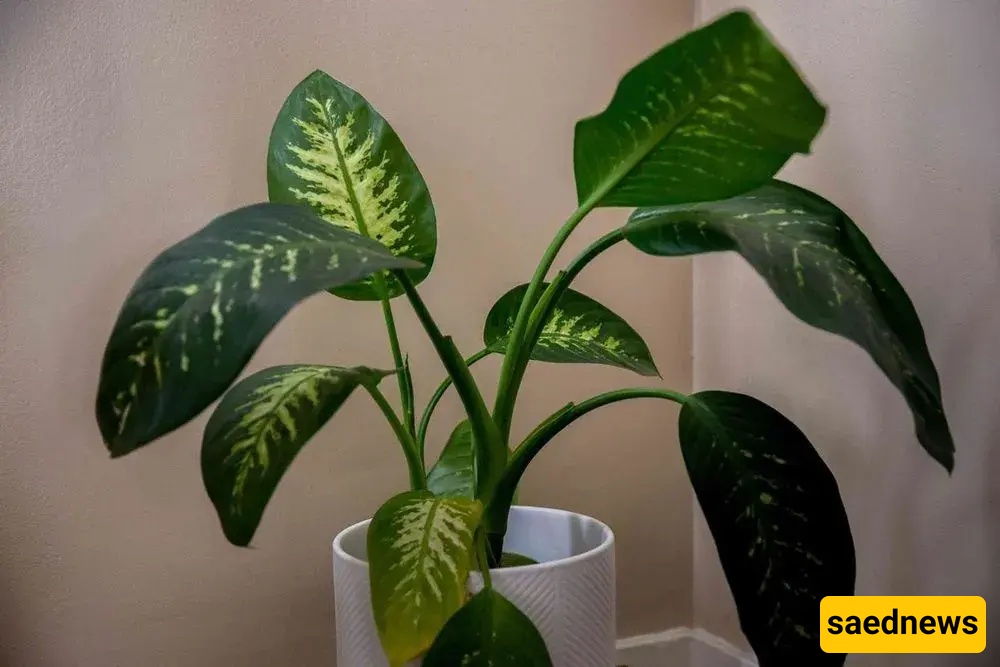
One of the clearest signs of inadequate light is unusually stretched growth. A plant may lean toward a nearby window or light source as it attempts to receive more illumination. This growth pattern, known as etiolation, often results in weak, elongated stems and widely spaced leaves. The exact response varies among plant species because different plants have different light requirements.
Low light is not the only possible explanation for changes in leaf color or growth. Before relocating a plant, check other basic growing conditions, including:
Watering: Both excessive and insufficient watering can cause leaf problems.
Root condition: Poor drainage or damaged roots can interfere with healthy growth.
Temperature: Sudden or unsuitable temperature changes may affect foliage.
Pests: Insects and other pests can cause discoloration, leaf distortion, or premature leaf loss.
Natural growth patterns: Some green-leaf plants naturally grow slowly or tolerate lower-light conditions better than others.
If low light appears to be the main issue, gradually improve the plant’s access to suitable light. Moving it closer to an appropriate window may help, provided the location does not expose a shade-tolerant plant to excessive direct sunlight. Rotate the pot occasionally if the plant consistently grows toward one direction. For indoor spaces with very limited natural light, an appropriate plant light can also provide supplemental illumination.
The goal is not simply to give a plant as much light as possible. Light requirements differ among species, so the best location depends on the particular plant and whether it prefers low, medium, or bright light. Watching new growth after an adjustment can help determine whether the change is beneficial.