SAEDNEWS: This article explores the difference between fashion trends and personal style, popular women’s clothing styles, and practical tips for building a versatile and functional wardrobe.
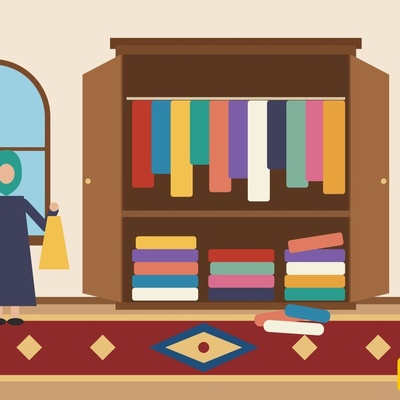
According to Saednews, It’s 7 p.m., and you have an hour before you need to be somewhere. You open your wardrobe, pull out a few coats and blouses, lay them on the bed, and try two or three different outfits. Eventually, the familiar words come out: “I have nothing to wear!”—even though your wardrobe is packed with clothes.
Let's be honest: most wardrobes contain a few items that look beautiful but are rarely practical. Perhaps it's a dress you bought after seeing it on social media but have never found the right occasion to wear. Or maybe it's a pair of trousers that looks great on its own but doesn't match any of your coats, shoes, or other clothing.
The right question isn't "How many clothes do I own?" but rather, "How many great outfits can I create with what I already have?"
We often confuse these two concepts, and that confusion can lead to unnecessary spending.
Fashion trends are constantly changing. They include seasonal colors, popular trouser cuts, and the latest coat designs. Influenced by designers, fashion brands, and social media, trends usually change every few months.
Personal style, on the other hand, is the way you choose and combine clothes based on your taste, personality, workplace, and everyday activities.
How to Create a More Functional Wardrobe
One reason we often feel we have nothing to wear is that we start from scratch every time without knowing what kind of outfit suits the occasion. What you wear to university or the office is different from what you might choose for a casual gathering with friends or an evening walk.
Understanding three essential clothing styles can make choosing an outfit much easier.
Casual wear is one of the most versatile everyday styles. Straight-leg jeans, a basic T-shirt, a lightweight coat, and clean sneakers can form the foundation of countless outfits.
Comfort is essential, but that doesn't mean overlooking the details.
You don't need to change your entire outfit to make a simple combination more attractive. A colorful handbag, a patterned scarf, or a delicate accessory can make all the difference. Pay attention to color coordination and small details to achieve a look that feels effortless yet polished.
Today, hoodies, joggers, sneakers, and oversized T-shirts are popular choices not only for workouts but also for everyday errands, walks, and informal gatherings.
To keep a sporty outfit looking neat and stylish, pay attention to three things: fit, fabric quality, and color coordination.
Clothes that are excessively oversized or worn out can make your overall appearance look untidy, even if the design itself is fashionable.
Office outfits don't always have to be formal or monotonous. Neutral colors, flattering cuts, and quality fabrics can help you build a versatile wardrobe with pieces that work well together.
A well-tailored coat, tailored trousers, a simple blouse, and suitable shoes can create the foundation for several professional outfits.
To avoid wearing the same look every day, try changing your handbag, scarf, or accessories. Small adjustments can give familiar outfits a completely different feel.
Creating a functional wardrobe doesn't mean throwing everything away or spending a fortune on new clothes. A simple three-step exercise can help you make better use of what you already own.
Set aside an afternoon and review your wardrobe using the following steps.
1. Separate the Clothes You Rarely Wear
Put aside anything you haven't worn in several months and ask yourself why.
Does it no longer fit? Is it difficult to match with other items? Did you buy it for a specific occasion that rarely comes around?
Your answers can reveal a lot about your shopping habits and help you avoid similar mistakes in the future.
2. Identify Your Most-Worn Pieces
Look through the remaining clothes and select the items you wear most frequently.
You may notice that you consistently choose neutral colors, simple designs, or soft fabrics. These recurring preferences are valuable clues to understanding your personal style.
3. Identify What Your Wardrobe Is Actually Missing
Sometimes, we own several beautiful blouses but don't have the right trousers or skirts to pair them with.
Identifying these gaps helps you make more intentional purchases. One carefully chosen item can make several existing pieces more wearable and give your wardrobe new possibilities.
- Color coordination: Combining several neutral shades with one standout color is one of the easiest ways to create a balanced and attractive look.
- Fabric quality: Fabric directly affects how clothing looks, feels, and lasts. A high-quality T-shirt that maintains its shape after several washes is a much better investment than one that quickly loses its form.
- The right fit: Clothes that fit your body properly look more polished, even when their designs are simple. Sometimes, a small adjustment to a sleeve or trouser length can make a remarkable difference.
Choosing the right clothes isn't simply about following the latest trends or owning a large collection of outfits. Understanding your personal preferences, considering your everyday activities, and knowing how different clothing pieces work together can make getting dressed much easier.
In this regard, Modeen focuses on women's fashion, clothing, and personal style, offering practical and educational content about outfit selection and styling combinations.
For more inspiration and fresh ideas for everyday fashion, explore the Modeen Fashion and Style Magazine, where you can discover helpful insights into building a wardrobe that reflects your personality and lifestyle.