SAEDNEWS: Some plants react poorly to abrupt temperature shifts, especially tropical and temperature-sensitive varieties. Gradual changes and protection from drafts can help reduce stress.
According to SAEDNEWS, sudden changes in temperature can place stress on plants by disrupting water balance, growth processes, and normal physiological activity. The risk is particularly relevant for plants adapted to relatively stable, warm environments. A rapid move from a warm indoor space to cold outdoor air, or exposure to a sudden heat source, can cause visible damage even when the temperature itself is not extreme for long periods.
Some common houseplants are more sensitive to abrupt temperature changes than others, including:
Peace lilies — sudden cold exposure can cause wilting or leaf damage.
Ficus plants — rapid changes in temperature or drafts may contribute to leaf drop.
Calatheas — these tropical plants generally prefer stable, warm conditions and can react to cold stress.
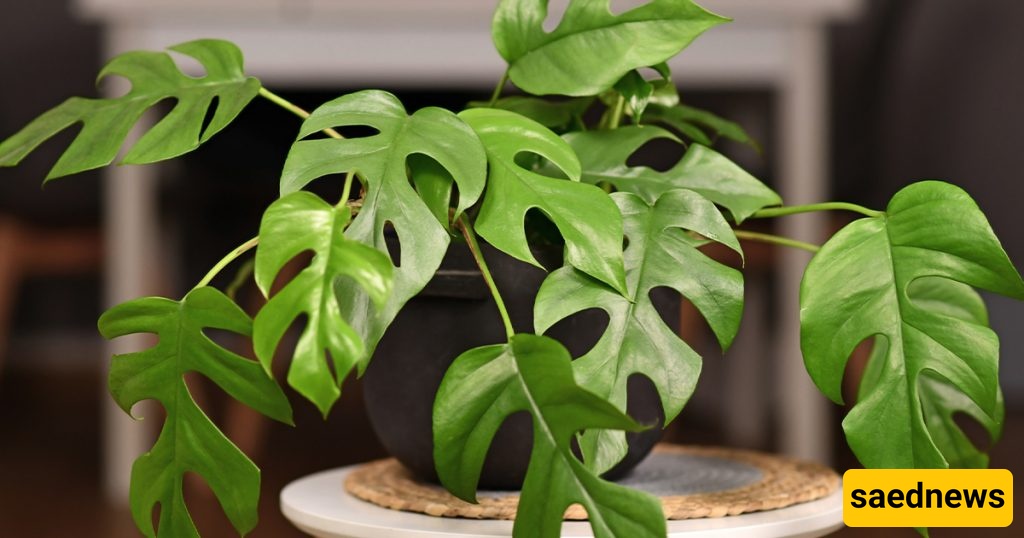
Philodendrons — prolonged exposure to cold can damage their leaves and slow growth.
Orchids — sudden temperature fluctuations can stress plants that are accustomed to relatively stable indoor conditions.
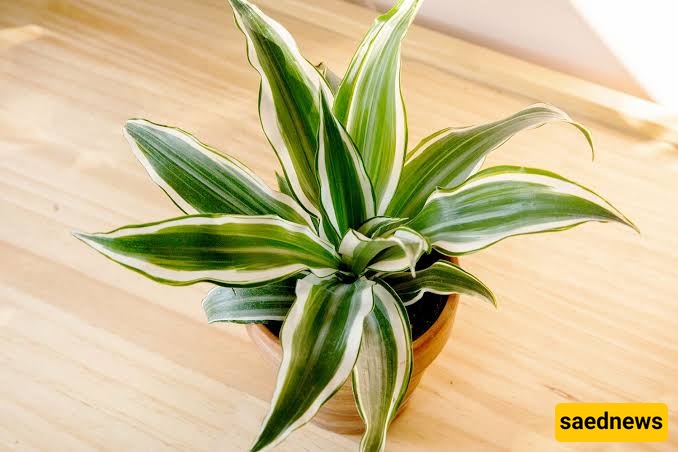
Dracaenas — cold drafts and abrupt environmental changes may result in leaf discoloration or damage.
Sensitivity varies by species and growing conditions, so a plant that tolerates a brief temperature change may still suffer from repeated or severe fluctuations.
Plants continuously adjust processes such as water movement, photosynthesis, and cellular activity according to their surroundings. A rapid temperature shift can interfere with these processes before the plant has time to adjust. Cold conditions may slow physiological activity and injure tissues, while sudden heat can increase water loss and place additional pressure on leaves and roots.
Temperature changes are especially noticeable when a plant is moved between locations. For example, placing a warm indoor plant directly beside an open window during a cold period or next to a strong heating source can create a stressful microclimate.
When moving a sensitive plant between environments, gradual adjustment is generally preferable to an abrupt change. Helpful practices include:
Avoid cold drafts: Keep sensitive plants away from frequently opened exterior doors and very cold windows.
Keep plants away from direct heat: Radiators, heaters, and strong sources of hot air can create localized temperature fluctuations.
Acclimate plants gradually: When moving a plant to a substantially different environment, allow it to adjust progressively rather than exposing it immediately to the new conditions.
Monitor the leaves: Wilting, discoloration, browning, or sudden leaf drop can indicate environmental stress, although these symptoms may have other causes as well.
Maintain consistent care: Avoid making several major environmental changes at once, such as moving the plant, changing its light exposure, and substantially altering watering.
For particularly temperature-sensitive plants, a stable location with suitable light and protection from drafts can make routine care easier and reduce unnecessary environmental stress.