SAEDNEWS: The distinctive smell inside buses and airplanes comes from a combination of materials, ventilation, cleaning products, and accumulated odors in enclosed spaces.
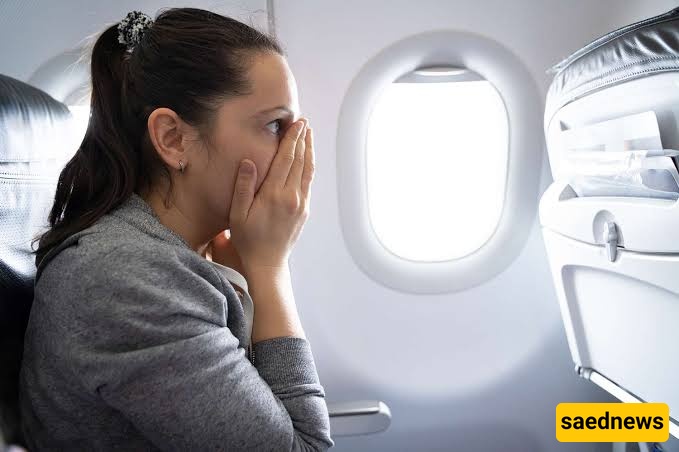
According to SAEDNEWS, the recognizable smell inside some buses and airplanes is rarely caused by a single substance. Instead, it usually results from several factors interacting in a relatively enclosed environment. Upholstery, flooring, plastics, adhesives, cleaning products, and the ventilation system can all contribute to the overall scent passengers notice.
Seats, floor coverings, wall panels, and other interior components are often made from synthetic materials. These materials can release small amounts of volatile compounds, particularly when they are new or exposed to warmth. The combination of these materials can create a characteristic “vehicle” smell that becomes familiar to frequent travelers.
Temperature can also influence the intensity of certain odors. A warm interior may make smells from plastics, fabrics, and other materials more noticeable than they are in a cooler environment.

Air circulation is another major factor. Buses and aircraft continuously move air through their cabins, but ventilation does not necessarily eliminate every odor. Air can carry scents from:
Upholstery and carpets
Cleaning and maintenance products
Passengers and their belongings
Food and beverages
Moisture in fabrics or flooring
Because the cabin is shared by many people, different odors can combine and produce a smell that seems unique to that type of vehicle.
Aircraft have additional environmental factors that can influence cabin odors. Air circulation, cabin materials, cleaning procedures, and the relatively dry cabin environment all contribute to the sensory experience. The smell may also change between boarding, takeoff, cruising, and after cleaning because different ventilation and operational conditions are involved.
A distinctive smell does not automatically indicate poor hygiene or a safety problem. Odors can be produced by ordinary materials and routine operations. However, a strong unusual smell accompanied by visible smoke, irritation, or other concerning signs should be reported to the appropriate crew or staff.
Ultimately, the familiar scent of a bus or airplane is best understood as a mixture rather than a single “signature” odor. The materials surrounding passengers, the air moving through the cabin, and the many substances introduced during daily use gradually create an environment with a recognizable smell.