SAEDNEWS: School bags can develop a noticeable smell as sweat, food particles, moisture, and microorganisms accumulate inside and on their materials.
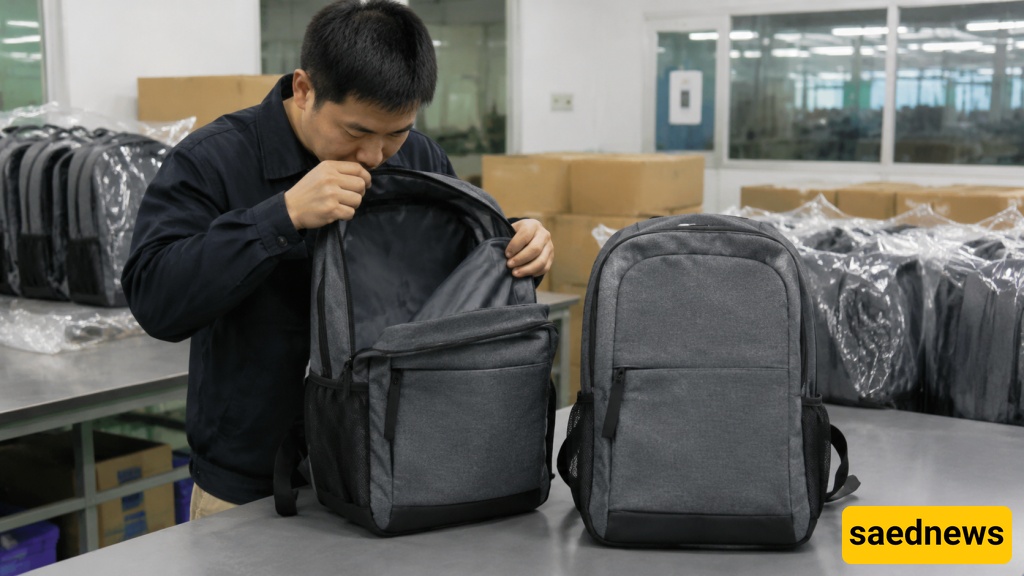
According to SAEDNEWS, the distinctive smell that develops inside a school bag after weeks or months usually comes from a combination of moisture, organic residues, and limited airflow. A bag is often exposed to sweaty clothing, damp items, crumbs, lunch containers, and frequently touched surfaces. When these materials remain in a warm, enclosed space, odors can gradually become more noticeable.
Several everyday factors can contribute to the characteristic odor:
Moisture: Damp clothes, wet tissues, water bottles, or rainy-day items can leave moisture inside the bag.
Sweat and body oils: Items that come into contact with the body can transfer small amounts of sweat and skin oils to the bag.
Food residue: Crumbs and tiny food particles can become trapped in seams, pockets, and corners.
Microbial activity: Bacteria and fungi can grow more readily when moisture and organic material are present. Their metabolic activity can produce compounds with noticeable odors.
Poor ventilation: A closed bag provides little opportunity for moisture and odors to disperse.
The odor often becomes more obvious because several small sources accumulate over time. A single damp item may not create a strong smell, but repeated exposure to moisture and residue can allow odors to build up in the fabric and lining. Pockets and seams can also trap particles that are easy to overlook during routine cleaning.
The material itself can make a difference as well. Fabric surfaces may absorb moisture and retain odor-producing substances more readily than smooth, non-porous surfaces. Keeping the bag closed for long periods can further slow drying and ventilation.
A few routine habits can make a significant difference:
Empty the bag regularly. Remove food wrappers, crumbs, tissues, and unnecessary papers.
Let it air out. Leave the bag open in a clean, dry, well-ventilated area when it is not being used.
Keep damp items separate. Wet clothing or other moist belongings should not remain inside for hours.
Clean according to the manufacturer's instructions. Some bags can be washed, while others should only be wiped down.
Clean small compartments. Odor can persist when crumbs and residue remain hidden in pockets or seams.
If a bag develops a persistent musty smell despite cleaning and thorough drying, visible dampness or mold growth should not be ignored. In that situation, the bag may need more thorough cleaning or replacement, depending on its condition and the manufacturer's care instructions.