SAEDNEWS: To the unaided human eye, the night sky is a magnificent and mesmerizing sight, filled with more than 9,000 distinct points of light. Yet this view represents only a tiny fraction of the universe.
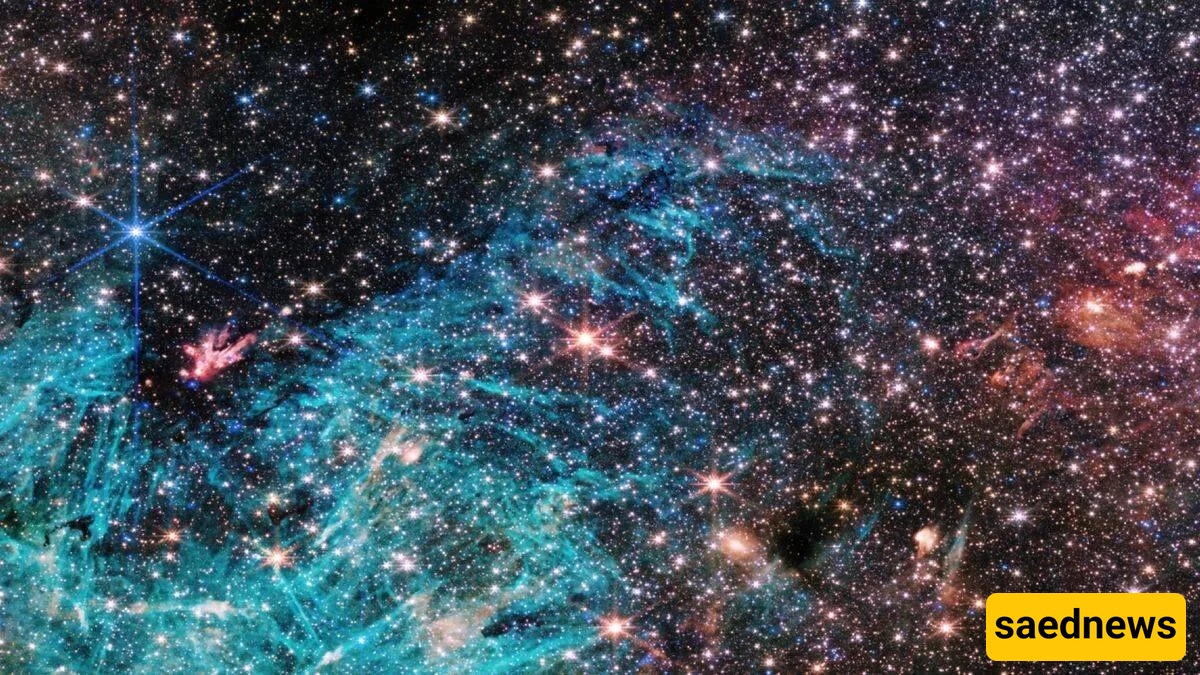
According to SAEDNEWS, The nearest observable star system to us is Alpha Centauri, located about 4.25 light-years from Earth. The closest star in this three-star system is Proxima Centauri, but because it is a red dwarf, it is so faint that it cannot be seen with the naked eye.
According to Space.com, the most distant star visible to the naked eye is V762 Cas, a variable star located about 16,000 light-years away. Although the star is probably around 100,000 times more luminous than the Sun, its enormous distance means that under ideal conditions, it lies at the very limit of what an average human eye can see at night.
All the stars we can see without a telescope are significantly larger than the Sun. Stars like the Sun and smaller stars are so faint that they cannot overcome the vast distance between themselves and Earth, making them invisible to us. As a result, there are around 9,000 visible stars and more than one million invisible stars between us and V762 Cas.
While V762 Cas is the most distant star we can see with the naked eye, it is not the most distant object visible without a telescope. That distinction belongs to the Andromeda Galaxy.
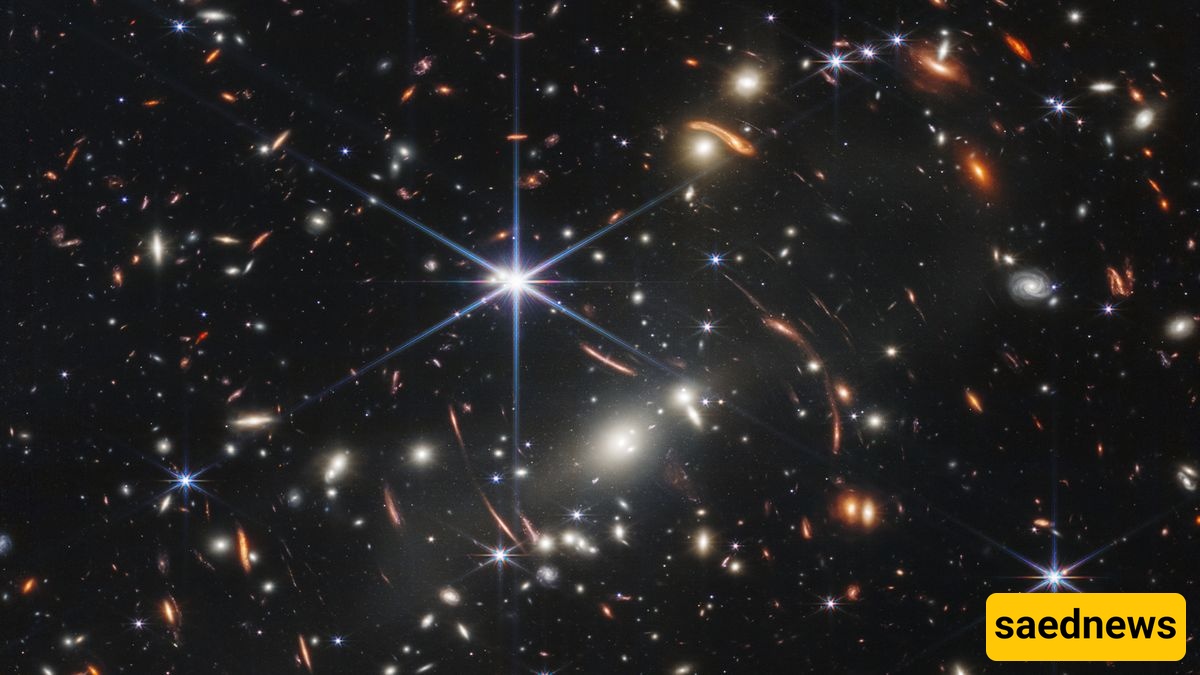
When we look at the Andromeda Galaxy, which contains more than one trillion stars, it appears to the naked eye as a faint, blurry patch roughly the size of a clenched fist. When you look at Andromeda, you are receiving light that began its journey more than 2.5 million years ago.
Some flashes and explosions can reach extraordinary levels of brightness and become temporarily visible even from extremely distant locations. For example, in 2008, the gamma-ray burst GRB 080319B was visible to the naked eye for about 30 seconds, even though it occurred more than 7.5 billion light-years away. This means that when the light from this gamma-ray burst first began its journey, the Solar System had not yet formed.
When Galileo perfected the astronomical telescope in the early 1600s, a new world opened up before our eyes. Telescopes allow us to see fainter objects because they can collect more light and magnify images.
However, even with the most advanced ground-based and space telescopes and the most comprehensive surveys, we have managed to map less than 3 percent of all the stars in the Milky Way and less than 1 percent of the galaxies in the observable universe. The most distant galaxies are still beyond our reach; they are so faint and small that we cannot detect them.
Nature has given us a small trick that we can sometimes use to see deeper into the universe. When light from a distant star or galaxy passes behind a massive cluster, the cluster’s gravity can magnify the image, in some cases by 10,000 times or even more.