SAEDNEWS: The thin lines visible on a car window are part of the vehicle’s heating and defogging system, helping improve rear visibility in cold or humid conditions.
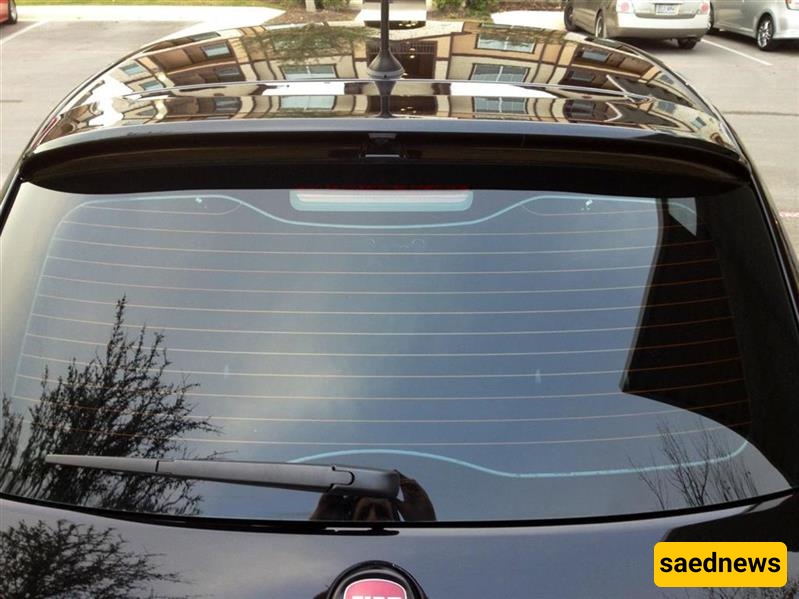
According to SAEDNEWS, the small lines you see across a car’s rear window are not simply decorative. They are electrical heating elements designed to clear condensation, frost, or light ice from the glass. When the rear-window defogger is switched on, electrical current passes through these thin conductive strips, producing heat across the surface of the glass.
The heating elements are made to distribute heat relatively evenly without significantly blocking the driver’s view. They are usually arranged as several horizontal lines across the rear windshield, allowing the system to warm a broad area of glass.
Unlike the vehicle’s front windshield, which is typically cleared by warm air from the climate-control system, the rear window can be difficult to reach with direct airflow. The embedded electrical elements provide a practical way to warm the glass itself.
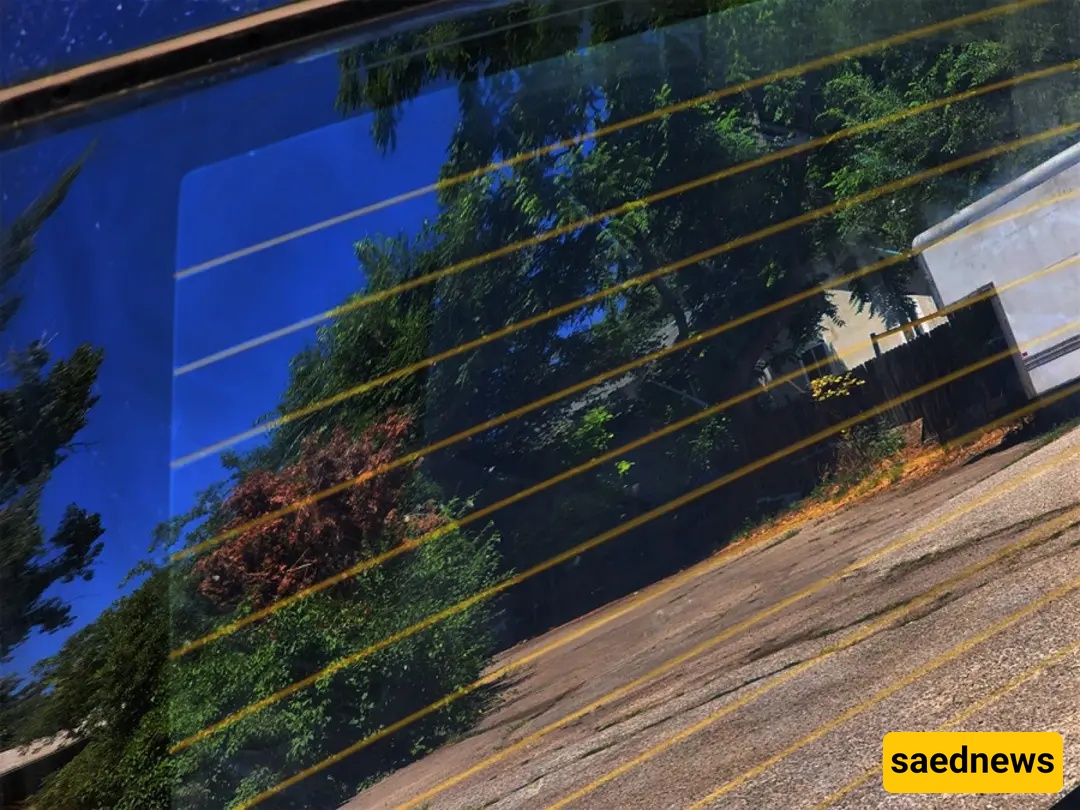
Once activated, the system sends electricity through the conductive lines. As the electrical resistance of the material converts electrical energy into heat, the glass gradually becomes warm enough to remove moisture and help loosen frost.
The lines can therefore help with:
Condensation that reduces rear visibility
Frost forming on the inside or outside of the glass
Light ice in cold weather
Because the heating strips are part of the electrical system, damaging them can reduce the effectiveness of the rear defogger. Scratches or damage to individual lines may interrupt the electrical path, leaving small areas of the window that no longer heat properly.
So, the next time you notice those seemingly insignificant lines on a car’s rear window, they are doing a practical job: helping keep the glass clear when visibility is reduced.