SAEDNEWS: Everyday driving habits can increase vehicle wear and repair costs. Aggressive driving, hard braking, ignoring warning signs, and skipping maintenance can damage key components. Recognizing these habits helps protect the car and reduce expenses.
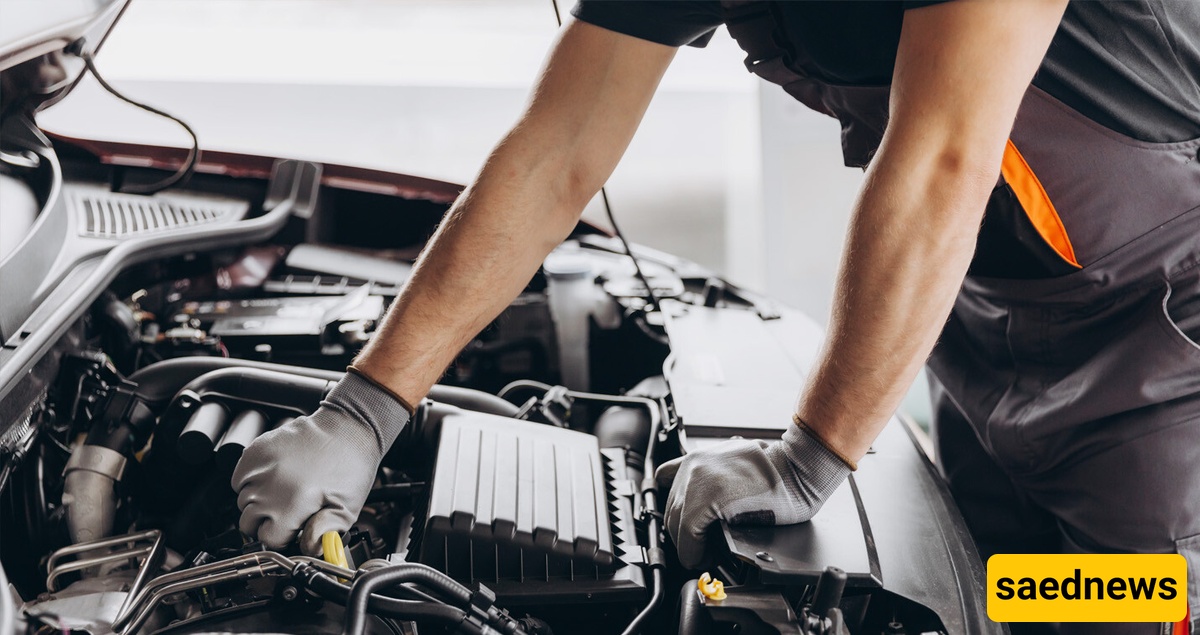
According to SAEDNEWS, the way a car is driven can have a significant effect on its condition and maintenance costs. Even when a vehicle is regularly serviced, repeated driving mistakes may accelerate wear on the engine, brakes, tires, suspension, and other components. Changing a few simple habits can help prevent unnecessary damage.
Frequent rapid acceleration puts additional pressure on the engine, transmission, and other mechanical components. Repeatedly driving in an aggressive manner can increase wear and may shorten the useful life of certain parts. Smooth acceleration allows the vehicle to operate with less unnecessary stress.
Braking sharply and unnecessarily can accelerate the wear of brake pads and other braking components. It may also place additional stress on tires and suspension parts. Maintaining a reasonable following distance and anticipating traffic conditions can reduce the need for sudden braking.

Unusual sounds, dashboard warning lights, vibrations, or changes in vehicle performance should not be overlooked. A small mechanical issue can become a much more expensive problem when repairs are delayed. Paying attention to early warning signs allows drivers to address problems before they affect additional components.
Hitting potholes, uneven surfaces, or road obstacles at high speed can damage tires, wheels, suspension components, and steering parts. Reducing speed and approaching rough sections carefully can minimize unnecessary impact. Careful driving is particularly important when road conditions are poor.
Skipping oil changes, fluid checks, tire inspections, and other recommended maintenance can increase the likelihood of costly repairs. Regular maintenance helps identify worn or damaged components before they become major problems. Following the vehicle manufacturer's maintenance schedule is one of the simplest ways to control long-term ownership costs.