SAEDNEWS: A planted aquarium brings together beauty, balance, and a healthy environment for your aquatic life. By understanding the different types of aquatic plants and their specific needs, you can create a lush, eye-catching tank and enjoy a more rewarding aquarium-keeping experience.
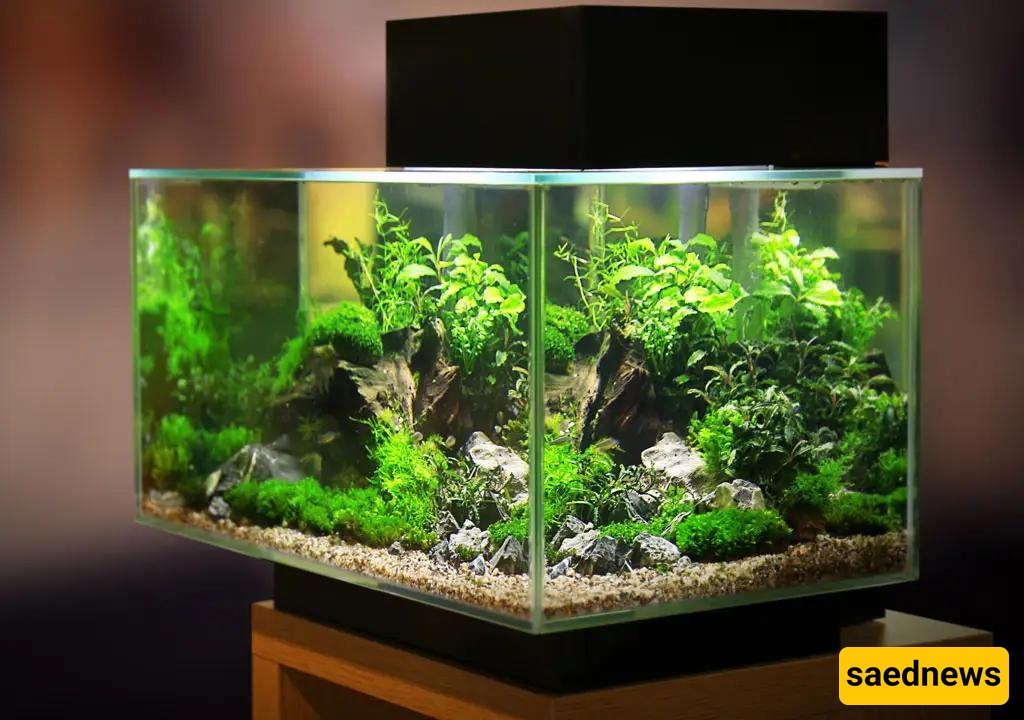
According to Saednews, An aquarium is much more than a glass container filled with water; it is a small, living ecosystem in which every component plays an important role in the overall health and appearance of the environment. In recent years, keeping live plants in aquariums—often referred to as planted aquariums or aquascapes—has become one of the most popular trends among aquarium enthusiasts.
However, choosing the right aquarium plants involves more than simply buying a green plant and placing it in the water. Every plant has different lighting, temperature, and nutritional requirements. If those requirements do not match the conditions in your aquarium, the result can be poor growth, decay, and eventually plant death.
Before discussing how to choose plants, it is important to understand the benefits they provide.
The first and most important benefit is photosynthesis. Plants absorb carbon dioxide and release oxygen, helping improve water quality and supporting healthier respiration for fish.
Second, plants act as natural filters. They absorb nitrates and phosphates produced by fish waste, helping limit the nutrients available for excessive algae growth.
Third, plants provide safe hiding places for fry and shy fish, which can reduce stress and make the aquarium environment more natural.
Finally, a well-planted aquarium creates a beautiful, natural-looking underwater landscape that can provide a strong sense of calm and relaxation.
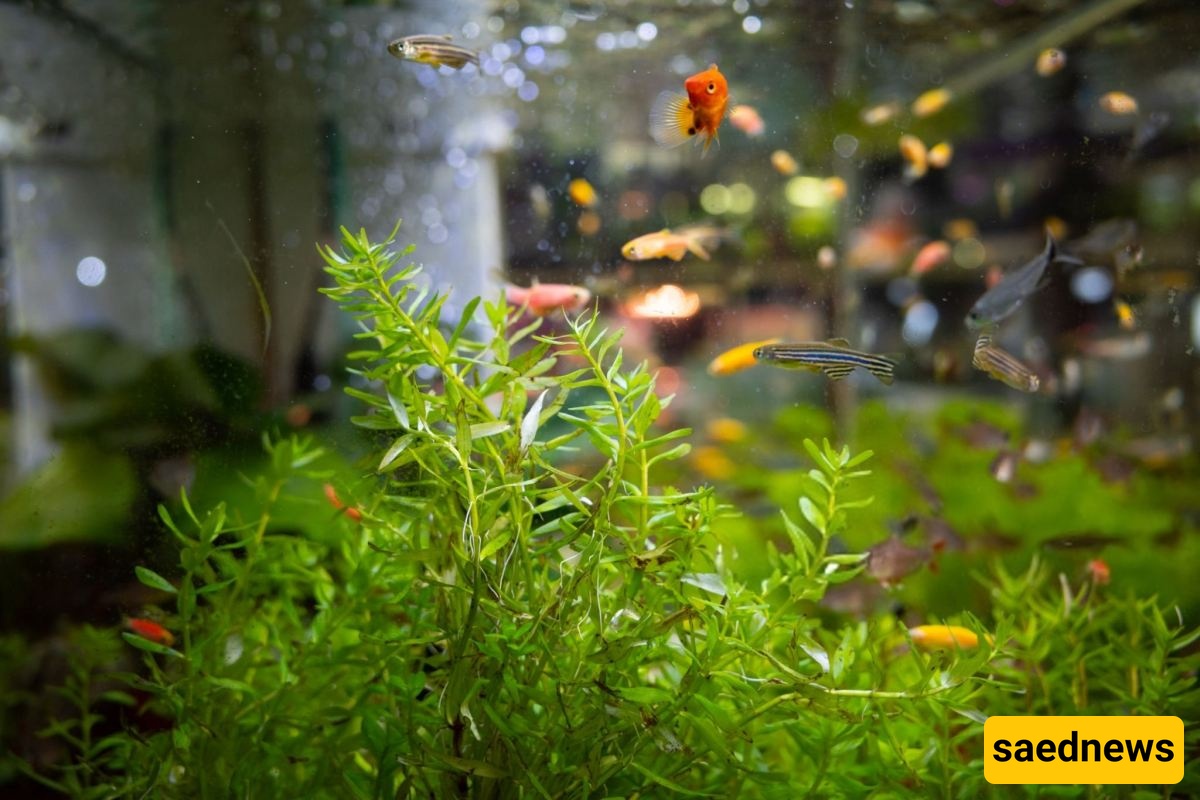
Understanding the main categories of aquarium plants makes it easier to select species that fit the layout and design of your tank.
Background plants are generally tall, often growing more than 30 centimeters, and are planted toward the rear of the aquarium to create depth and visual dimension.
Popular examples include Vallisneria, Cabomba, and Vietnamese Hydrocotyle. Vallisneria, with its long ribbon-like leaves, gives the aquarium a natural, flowing appearance and is particularly suitable for taller tanks.
Midground plants occupy the central areas of an aquarium and generally grow between 10 and 30 centimeters tall. Their dense growth can help create focal points within the aquascape.
Popular choices include Anubias, Cryptocoryne, and Sagittaria.
Anubias is especially suitable for beginners because of its broad leaves and excellent hardiness. It can even thrive in aquariums without nutrient-rich substrate. Its rhizome should simply be attached to a rock or piece of driftwood rather than buried.
Foreground plants are short or creeping species that usually remain around 5–10 centimeters tall and can spread across the substrate like a green carpet.
Producing a dense carpet generally requires strong lighting, a nutrient-rich substrate, and consistent CO₂ supplementation. Popular choices for more advanced aquariums include Monte Carlo, Glossostigma, and Dwarf Hairgrass (Eleocharis parvula).
Floating plants remain on the surface of the water. In addition to adding visual interest, they can provide shade for fish that prefer lower-light environments.
Common examples include Duckweed (Lemna minor) and Salvinia.
One important consideration is that floating plants can multiply rapidly. If they become too dense, they may block light from reaching plants below the surface, so regular thinning and maintenance are necessary.
To avoid choosing plants that are too demanding for your experience level, it is useful to classify them according to their care requirements.
If you are setting up your first planted aquarium, species such as Anubias nana, Java Fern (Microsorum pteropus), Hydrocotyle tripartita, and Cryptocoryne wendtii are sensible choices.
These plants can generally grow under low to moderate lighting and do not necessarily require CO₂ injection or a specialized substrate. They are also relatively tolerant of water hardness and pH fluctuations, making them highly suitable for beginners.
If you already have some experience and your aquarium provides moderate lighting, you can consider species such as Hemianthus micranthemoides, Rotala indica, and Bacopa caroliniana.
These plants generally perform better with regular fertilization and a substrate containing sufficient nutrients.
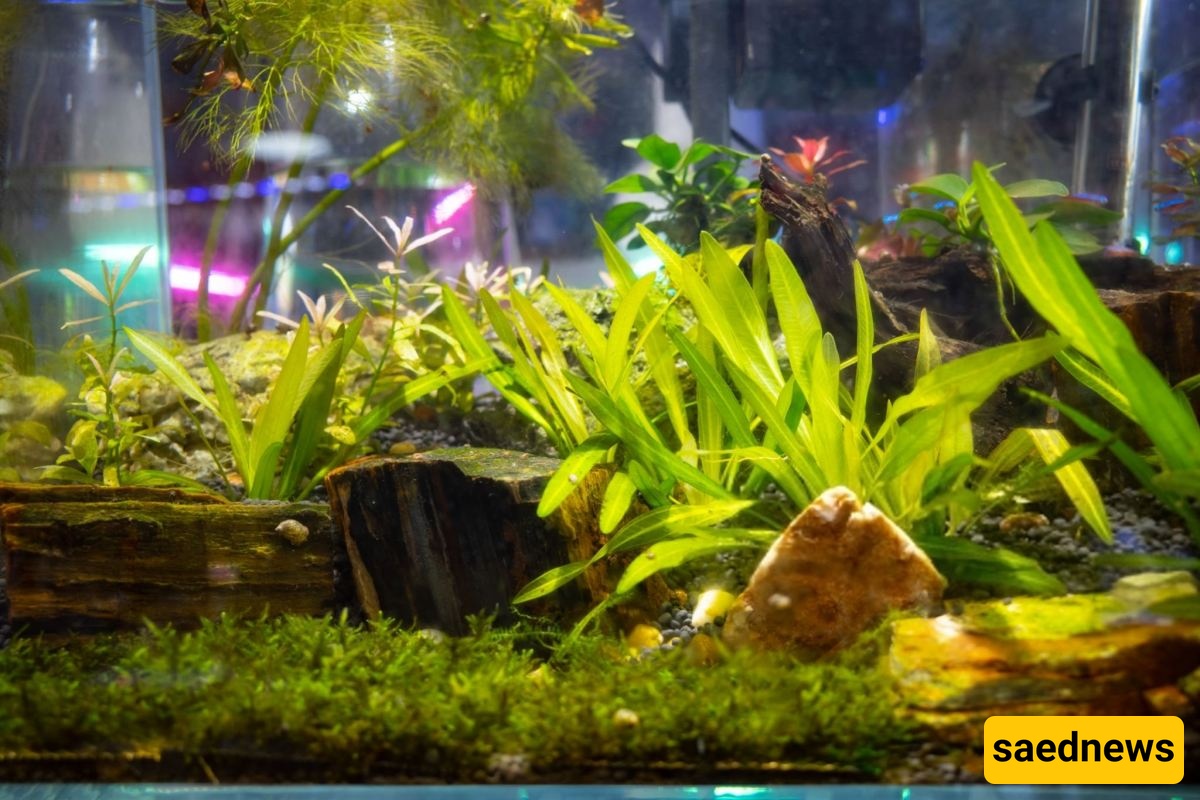
More demanding species such as Rotala Nanjenshan, Pogostemon helferi, and Ludwigia pantanal require considerably more attention.
They typically benefit from strong lighting, CO₂ injection, carefully balanced NPK and micronutrient fertilization, including iron, as well as stable water parameters. Even a relatively small nutrient imbalance can cause problems such as pale leaves, poor growth, or leaf melt.
Considering the following factors can make plant selection much easier and help prevent unnecessary expenses.
Start by considering the dimensions of your aquarium.
In a 20-liter tank, for example, very large plants such as giant Vallisneria may quickly overwhelm the available space. Smaller-leaved species are usually a better choice.
The type of fish you keep is equally important. Herbivorous or plant-destructive fish, such as goldfish and some African cichlids, may uproot or consume many aquatic plants.
In such aquariums, hardy plants with tougher or less palatable leaves, such as Anubias and certain ferns, are often more practical.
Aquatic plants can broadly be categorized as high-light, medium-light, or low-light species.
Low lighting may be sufficient for plants such as Anubias and Java Fern. Moderate lighting is suitable for many popular stem plants, while stronger lighting is generally necessary for dense carpeting plants and many red-leaved species.
Lighting duration is also important. A photoperiod of around eight hours per day is commonly used, although the ideal duration depends on the aquarium and its overall balance.
Color temperature can also influence the appearance and growth environment of a planted tank. A range of approximately 6,500–8,000 Kelvin is commonly used for planted aquariums.
Without sufficient light, photosynthesis cannot occur effectively, and plants may gradually become pale, yellow, and unhealthy.
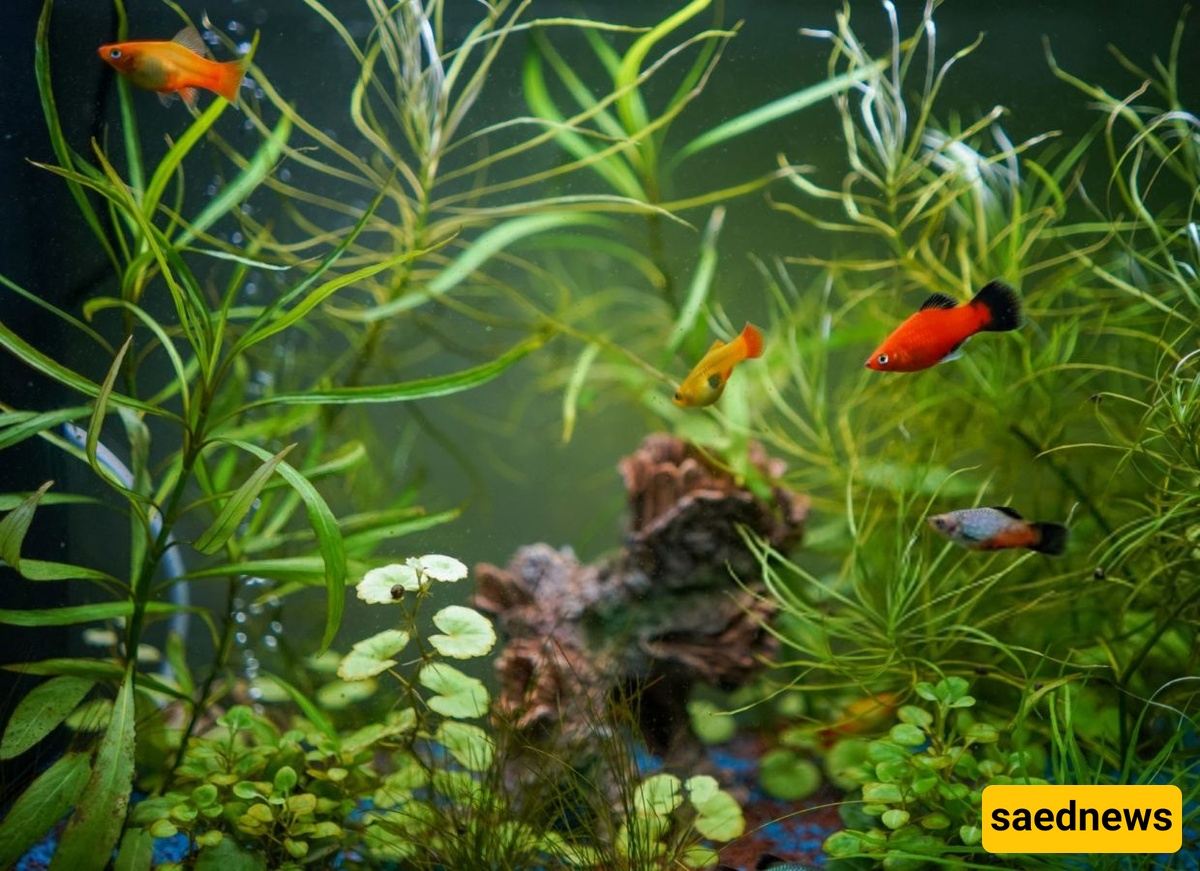
Aquarium substrate serves a role similar to soil in a terrestrial garden.
If you plan to grow rooted plants such as Cryptocoryne and Echinodorus, a nutrient-rich and porous substrate can be beneficial.
There are two common categories of aquarium substrate:
Inert substrate, such as silica sand and gravel, is suitable for plants that obtain most of their nutrients from the water column, including Anubias and many ferns. Rooted plants grown in inert substrate may benefit from nutrient-rich root tabs.
Active substrate, such as aquasoil, contains nutrients and provides good ion exchange capacity. It is widely used in advanced planted aquariums and for carpeting plants. However, active substrates can lower pH and water hardness, so their effects should be considered when keeping species that require harder or more alkaline water.
Many aquarium plants perform well in slightly acidic to neutral water, with a pH around 6.5–7.5 and moderate hardness.
Temperature is also important. Many tropical aquatic plants grow well at approximately 22–28°C.
If your aquarium consistently exceeds 28°C, choosing heat-tolerant plants such as Vallisneria and certain Hydrocotyle species can be a better option, as some more sensitive plants may struggle under prolonged high temperatures.
Practical Tips for Healthier Plant Growth
Once you understand the different plant categories and selection criteria, the next step is maintaining the conditions necessary for healthy growth.
Aquatic plants require three primary macronutrients:
Nitrogen (N)
Phosphorus (P)
Potassium (K)
They also require micronutrients such as iron (Fe) and magnesium (Mg).
Nutrient deficiencies can produce different symptoms. For example, iron deficiency may cause newly emerging leaves to become pale or yellow, while potassium deficiency can lead to holes or damaged areas in older leaves.
Liquid fertilizers can be added according to the needs of the aquarium and the manufacturer's recommended dosage.
However, excessive fertilization can encourage algae growth, particularly in aquariums with relatively few plants.
Do aquarium plants need CO₂ injection?
The short answer is: not always.
If your goal is faster growth, stronger coloration, and dense plant growth, CO₂ supplementation can be highly beneficial. In aquariums without CO₂ injection, plants obtain carbon primarily through natural gas exchange and dissolved carbon in the water, which can limit growth.
A properly regulated CO₂ system can raise dissolved CO₂ to an appropriate concentration, often around 25–30 ppm in established planted aquariums. This can significantly improve the growth of demanding plants, particularly carpeting and red-leaved species.
However, CO₂ injection must be carefully regulated because excessive CO₂ can lower pH and potentially stress or harm fish.
Stem plants should generally be trimmed regularly so that healthy cuttings can be replanted and dense, bushy growth can be encouraged.
Carpet plants should also be trimmed periodically to maintain their density and prevent them from becoming too tall or overgrown.
Yellow, damaged, or decaying leaves should be removed to reduce organic waste and prevent unnecessary bacterial load.
It is also important to clean algae from the aquarium glass regularly so that light can reach the plants effectively.
If a newly purchased plant suddenly develops transparent, soft, or deteriorating leaves, the cause is often a significant change in water parameters between the store and your aquarium.
Do not immediately assume the plant is dead. In many cases, the roots or rhizome remain alive, and the plant can produce new leaves that gradually adapt to the conditions in your aquarium.
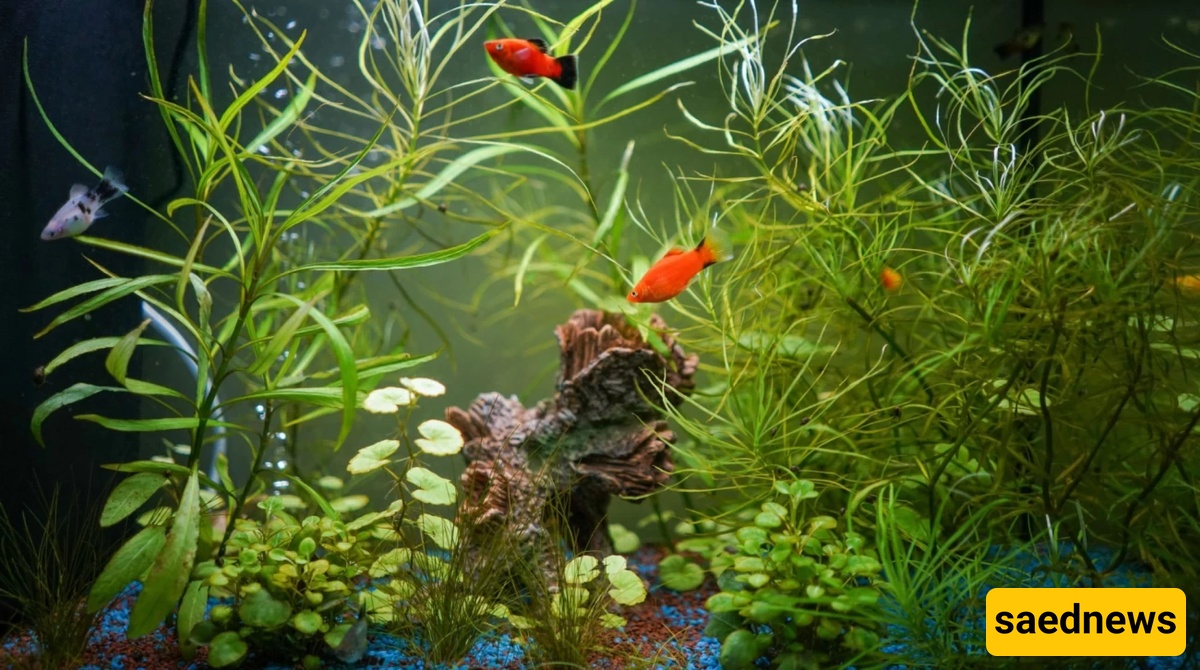
A sudden increase in algae often indicates an imbalance between lighting, nutrients, and CO₂ availability.
As an initial response, you can reduce the lighting period, temporarily decrease or stop fertilization if nutrients are excessive, and perform regular water changes while identifying the underlying imbalance.
Yellow leaves can be associated with insufficient light or nutrient deficiencies, including iron deficiency.
First check the lighting and overall nutrient balance before increasing fertilizer. If iron deficiency is confirmed or strongly suspected, an appropriate iron supplement may help.
Choosing aquarium plants is ultimately about matching the plant's requirements with the conditions you can consistently provide.
For beginners, hardy species such as Anubias, Java Fern, and Cryptocoryne are excellent starting points. As your experience grows, you can gradually introduce more demanding stem, carpet, and red-leaved plants.
A successful planted aquarium does not depend on having the most expensive equipment or the rarest plants. It depends on creating a stable balance between light, nutrients, CO₂, water quality, temperature, and maintenance.
When those elements work together, your aquarium can develop into a healthy, vibrant underwater ecosystem rather than simply a container filled with water and plants.