SAEDNEWS: A short afternoon nap can help reduce tiredness, improve alertness, and restore mental energy, but it does not always leave everyone feeling refreshed. The timing and length of the nap, along with individual sleep patterns, can influence how a person feels afterward.
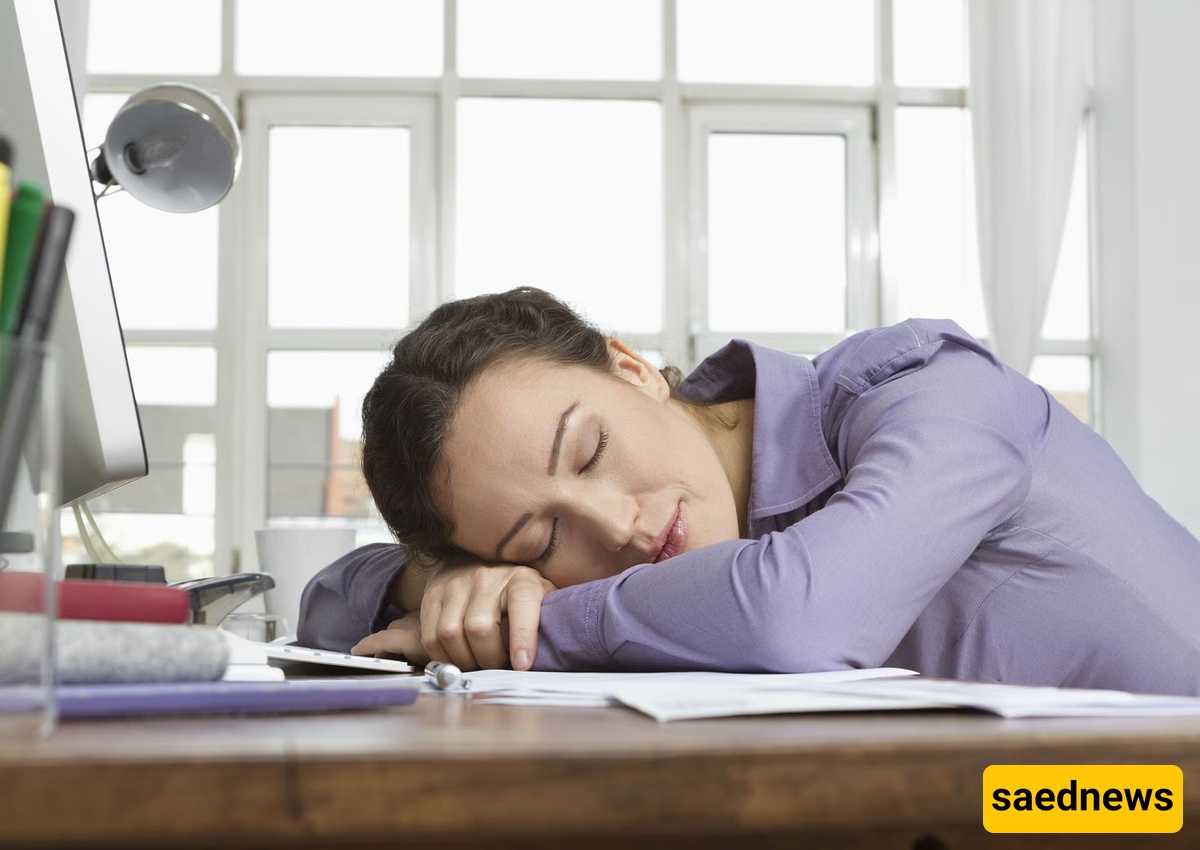
According to SAEDNEWS, taking a short nap in the afternoon can be a useful way to reduce daytime fatigue. A brief period of sleep may help the mind and body recover from morning activities and improve alertness for the rest of the day. However, the effects can vary from person to person.
Naps that last too long may sometimes leave a person feeling groggy rather than energetic. Deeper stages of sleep are more likely to occur during longer naps, and waking during these stages can create a temporary feeling of heaviness and confusion.

The timing of an afternoon nap can also make a difference. Sleeping too late in the day may reduce the natural need for sleep at night, potentially making it harder to fall asleep at the usual bedtime. A nap earlier in the afternoon is generally less likely to interfere with nighttime rest.
Individual sleep needs are another important factor. Someone who slept poorly the previous night may benefit more from a short nap, while a person who already gets sufficient nighttime sleep may not notice a major improvement. Stress, daily activity, and overall sleep habits can also affect the experience.
A short and well-timed nap can therefore be refreshing, but it is not guaranteed to have the same effect every day. Keeping naps relatively brief and avoiding very late afternoon sleep can help maintain a healthy balance between daytime rest and nighttime sleep.