SAEDNEWS: Sleeping with the light on may interfere with the body’s natural sleep rhythm and reduce overall sleep quality. Even low levels of light can affect melatonin production, making it harder for some people to fall asleep and stay asleep. Creating a darker, calmer bedroom environment can support deeper and more restful sleep.

According to SAEDNEWS, the body uses light and darkness as important signals for regulating the sleep-wake cycle. Darkness encourages the production of melatonin, a hormone that helps prepare the body for sleep. Exposure to light at bedtime or during the night can interfere with this natural process and may make sleep less restful.
Strong bedroom lighting can keep the brain more alert when it should be preparing for rest. People who sleep with a bright lamp or other strong light may find it takes longer to fall asleep. Reducing unnecessary light before bedtime can help the body transition more naturally into sleep.
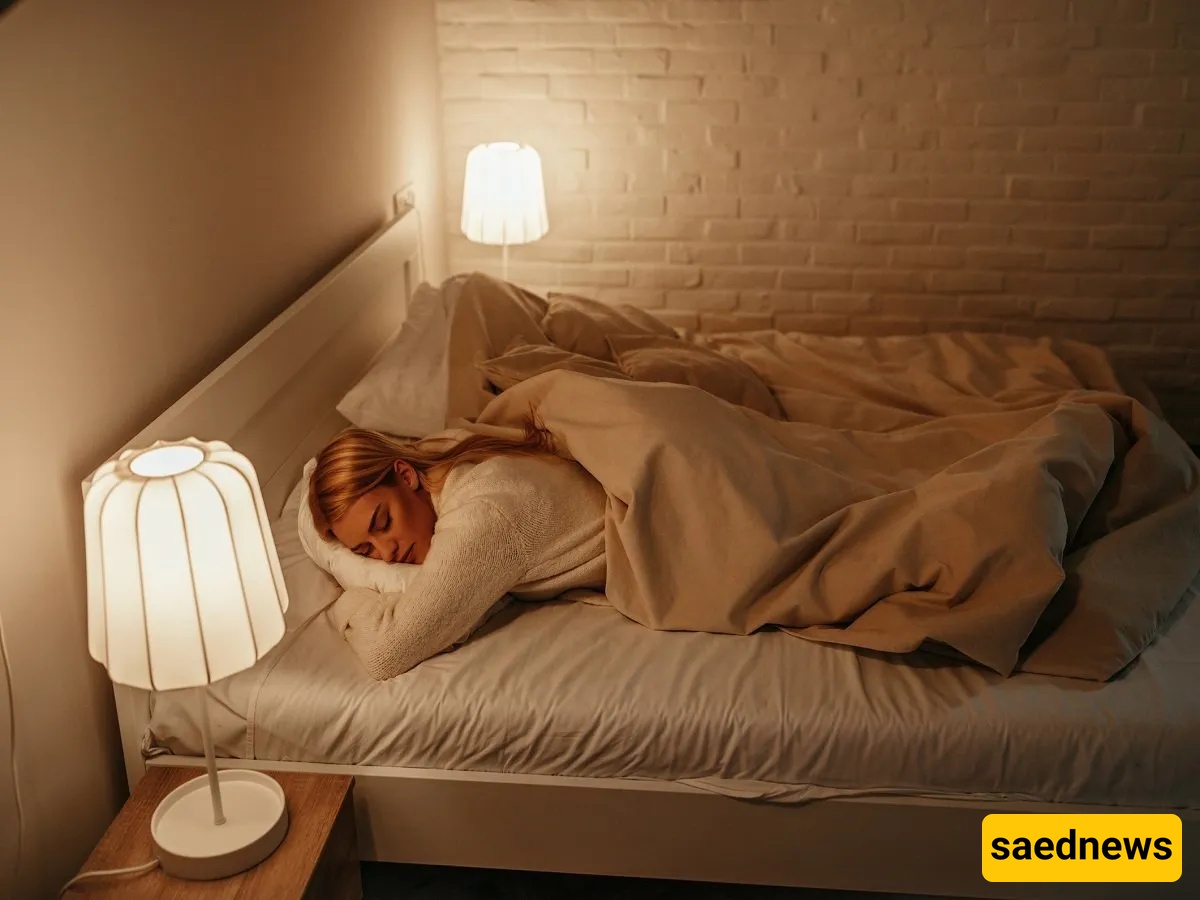
Light exposure during the night may also contribute to lighter or interrupted sleep. Even when a person does not fully wake up, changes in the sleep environment can affect how restorative the night feels. A darker bedroom can therefore be helpful for maintaining more consistent sleep.
Keeping the bedroom as dark as comfortably possible is generally a simple way to create better conditions for sleep. Curtains, blinds, or dim lighting before bedtime can reduce unnecessary exposure. If some light is needed for comfort or safety, using the lowest practical brightness can be a better choice than keeping a bright light on.
Good sleep involves more than darkness alone. Maintaining a regular bedtime, limiting stimulating activities before sleep, and keeping the bedroom quiet and comfortable can all support better rest. Turning off unnecessary lights at night is another small habit that may help the body maintain its natural sleep rhythm.