SAEDNEWS: Replacing a toothbrush at the right time helps maintain effective cleaning and good oral hygiene. Worn bristles, damage, illness, and buildup can all indicate that it is time for a new toothbrush.
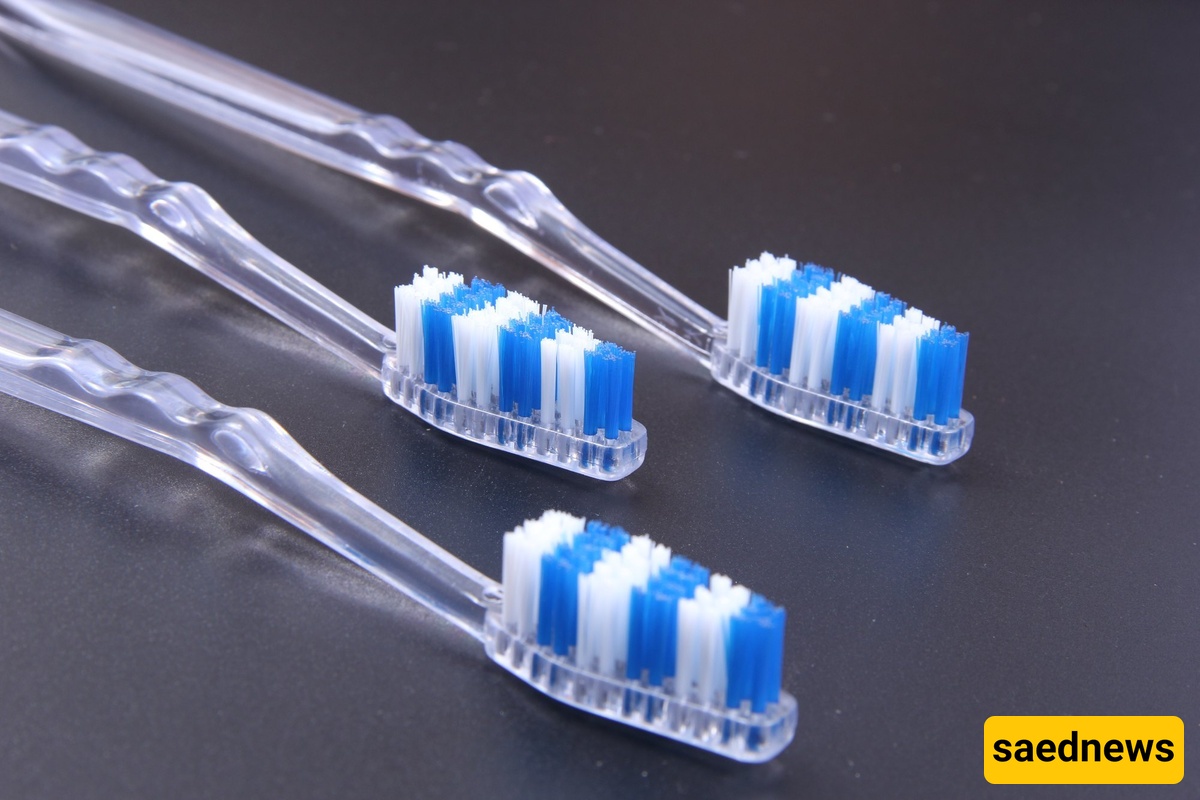
According to SAEDNEWS, Toothbrushes should generally be replaced every three to four months. Regular use gradually wears down the bristles, making them less effective at removing food particles and plaque from the teeth and along the gumline.
The condition of the bristles is one of the clearest signs that a toothbrush needs replacement. If they become frayed, bent, flattened, or discolored, the toothbrush may no longer clean the teeth properly. Children may need replacements sooner if they chew on the bristles.
Getting a new toothbrush after recovering from an illness can be a sensible hygiene practice, particularly when the brush has been used frequently during the illness. Keeping the toothbrush clean and allowing it to dry between uses also helps maintain better hygiene.
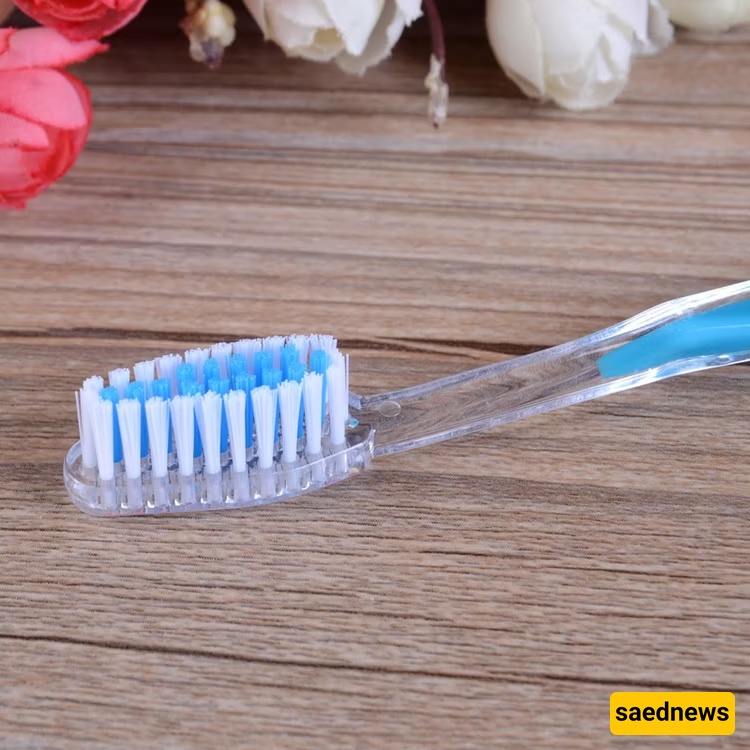
Rinse the toothbrush thoroughly with water after brushing and store it upright in a well-ventilated place so it can air-dry. Avoid keeping it in a closed container while it is still wet, as moisture can encourage unwanted microbial growth.
Even if three months have not passed, replace the toothbrush whenever the bristles become noticeably damaged or the brush is no longer comfortable to use. A fresh toothbrush, combined with regular brushing and proper technique, supports cleaner teeth and healthier gums.