SAEDNEWS: Dishwashing sponges can develop unpleasant odors quickly because they trap moisture, food particles, grease, and bacteria. Poor drying and frequent use can make the smell stronger. Proper rinsing, drying, and regular replacement can help keep the sponge cleaner and fresher.
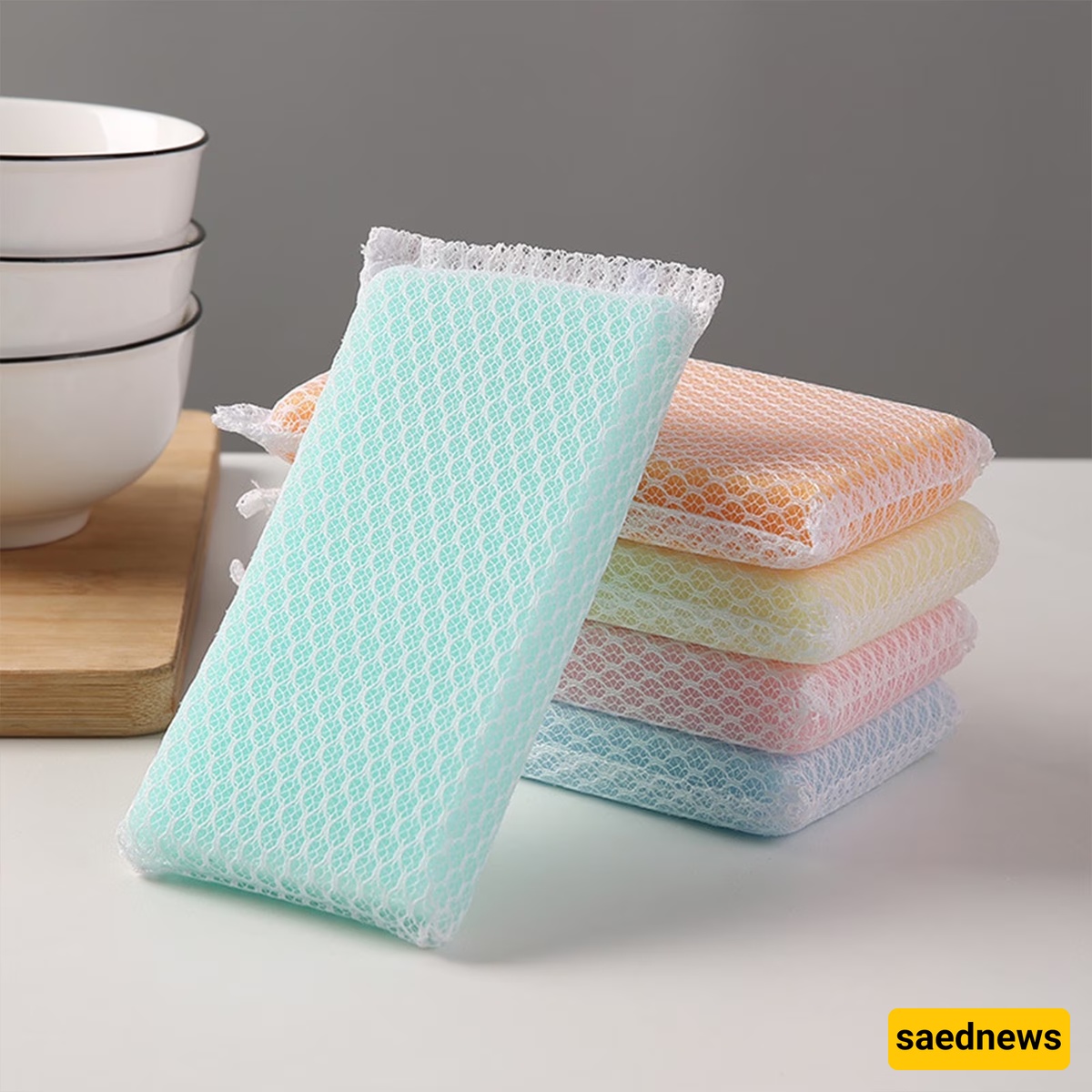
According to SAEDNEWS, a dishwashing sponge can start smelling bad after only a short time because its porous structure holds water and tiny food particles. The warm, damp environment inside the sponge can allow microorganisms to multiply, leading to unpleasant odors.
A sponge that remains wet between uses provides favorable conditions for odor-causing microorganisms. Leaving it beside the sink in a damp state can make the smell develop faster. Squeezing out excess water after washing dishes helps reduce moisture.
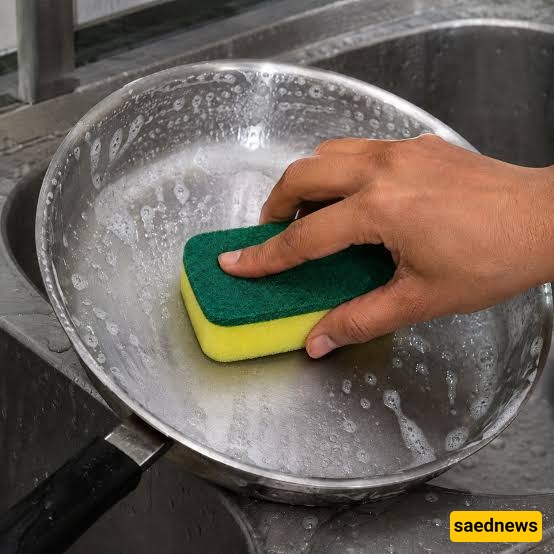
Small food residues and grease can become embedded deep inside the sponge. Even when the surface looks clean, these particles may remain in the inner layers and contribute to unpleasant smells. Thoroughly rinsing the sponge after each use can help remove more residue.
Keeping a sponge in a closed container or on a surface where water cannot drain properly prevents it from drying. A well-ventilated holder that allows water to escape can help the sponge dry more quickly between uses.
Rinsing the sponge with clean water and squeezing it thoroughly after washing dishes can improve its freshness. It is also helpful to keep the sponge away from accumulated food scraps and allow it to dry completely whenever possible.
A sponge that continues to smell unpleasant, looks worn, or remains dirty despite cleaning may need to be replaced. Regular replacement is one of the simplest ways to maintain better kitchen hygiene and prevent persistent odors.