SAEDNEWS: Always disinfect the sink and dish sponge before washing dishes so that germs are not transferred to the dishes during cleaning.
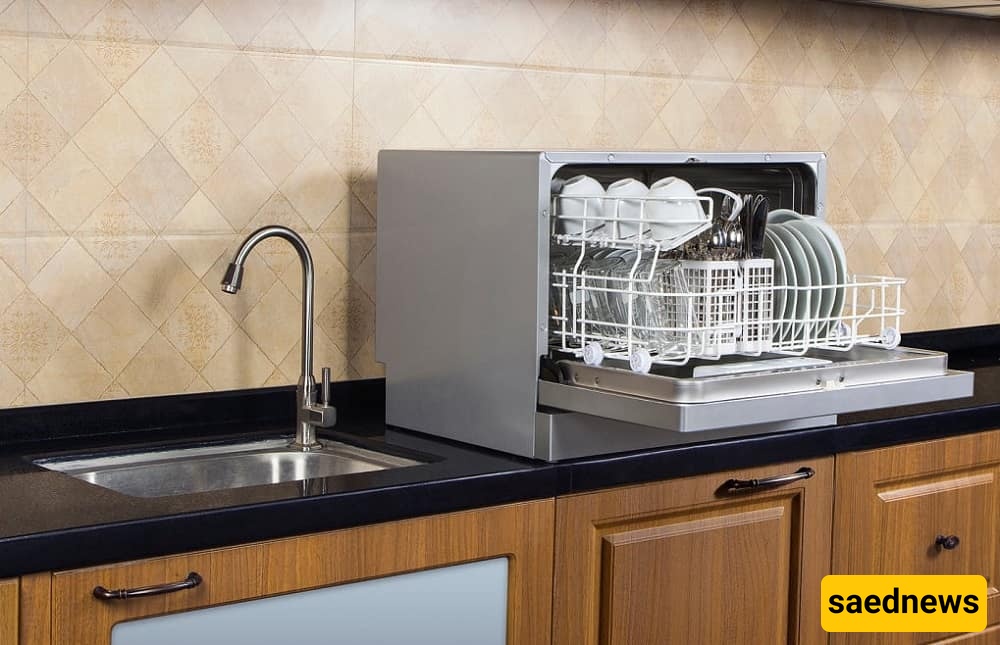
According to SAEDNEWS, Dishwashing is one of the most common household tasks, and it should be done following proper principles. In this article, we will introduce several mistakes that we often make while washing dishes. Many of us may unknowingly make errors during dishwashing. In this practical housekeeping guide, we will familiarize you with these mistakes.
When washing dishes, it is recommended to soak them in hot water in the sink so that food residues become soft, and then clean them thoroughly with water, a cloth, and detergent. Although we may think that cleaning the kitchen makes it completely free of bacteria, in many cases, this is not true.
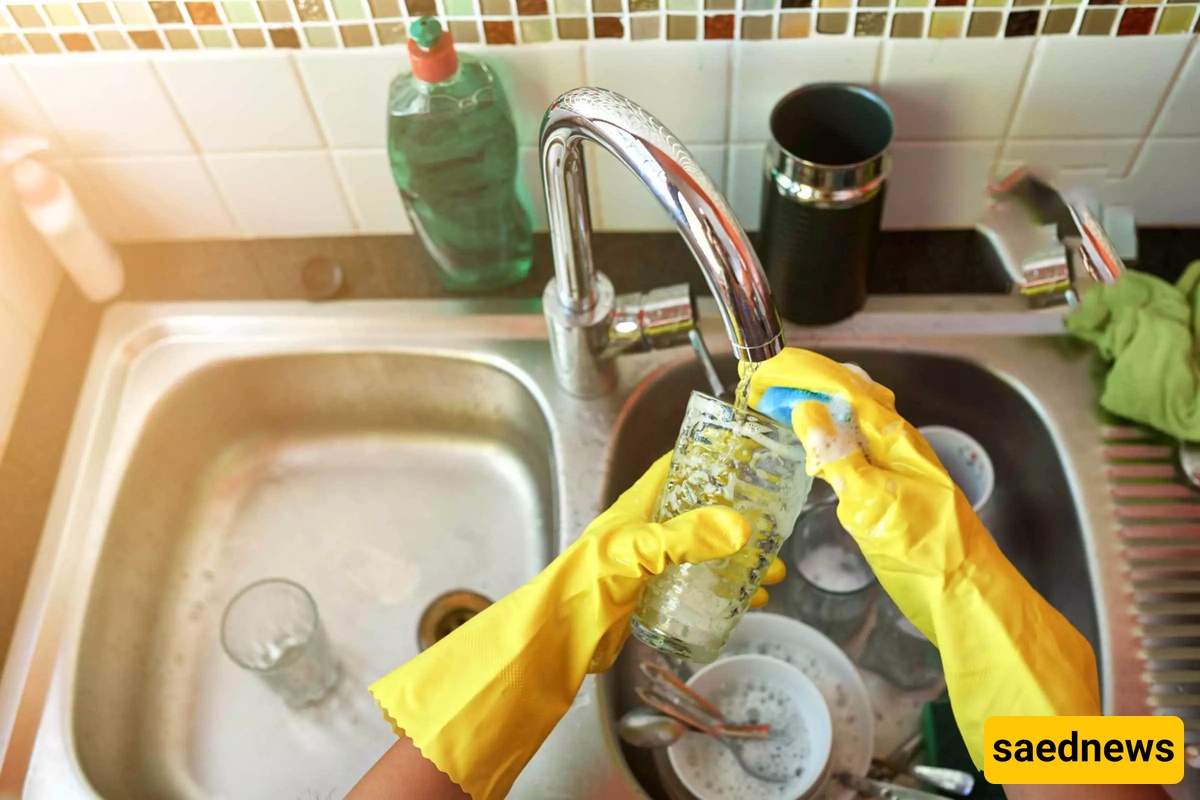
Because it is not only the sponge and sink that are full of germs, but there are also many other mistakes during dishwashing that allow bacteria to remain and spread. Researcher (Charles), a professor at the University of Arizona, has studied this issue.
After multiple studies, he concluded that 50 to 80 percent of all food-related illnesses originate from contaminated food at home, and these pathogens cause about 6.5 million cases of gastrointestinal disease each year.
Improper use of soap and dishwashing liquid
A common mistake is choosing unsuitable detergents or using too much product. Excess dishwashing liquid may remain on dishes and mix with food.
Using too much water:
It is better to soak all kitchen utensils in warm water so that grease is removed more easily and dishes dry faster. If you have two sinks, fill them with warm water and place plates and cutlery in it.
You can also soak them in one sink and then wash and rinse them. It is important to turn off the tap while washing each plate individually. You can use a small bowl of water to wash each plate, which helps save water.
Using plastic sponges:
The highest levels of contamination in the kitchen are found in sponges and dishwashing tools. These are ideal places for thousands of bacteria such as E. coli and Salmonella to grow. It is better to use sponges made from natural fibers and hang them after cleaning so they can dry completely. It is also recommended to replace them weekly.
Using a contaminated sponge is a common mistake many of us make while washing dishes. It is important to understand that a sponge that seems clean and suitable for dishwashing can actually be a source of germs, which not only fails to clean dishes properly but also contaminates them. To eliminate bacteria, the damp sponge can be placed in the microwave for 30 seconds. It is also better to use sponges made from natural fibers.
Improper washing of glasses and knives:
This is a common mistake: when knives are washed quickly, some food particles remain between the teeth or edges. More time should be spent washing them so that all food residues are removed. Washing glasses can also be difficult; even after washing, milk bacteria often remain on the surface. Therefore, they should be carefully inspected and thoroughly rinsed to prevent bacterial growth.
Not washing hands first:
Hands can be a major source of bacterial and viral contamination. Before washing dishes or placing them in the dishwasher, it is important to wash hands thoroughly with soap and warm water.
Washing dishes in a dirty sink:
The kitchen sink may contain more grime than a toilet. It is recommended to clean the sink daily using vinegar and baking soda, or vinegar and salt. This way, everything during dishwashing will be disinfected without the buildup of new bacteria.
Germs living in the sink or dishwasher can be transferred to dishes, and cooking or eating with contaminated dishes can make you sick. To disinfect the sink, it is advised to clean it every day after washing dishes using baking soda and vinegar or salt and vinegar.
You can also disinfect the dishwasher using the same materials. For this purpose, fill a container with white vinegar, place it inside, and run the dishwasher on the hottest cycle. Vinegar acts as an antibacterial agent. This should be done once a week.
Make sure to use exactly the recommended amount of dishwasher detergent. You should know that using too much powder can leave residue on dishes, while using too little may result in poorly cleaned dishes.
Use rinse aid. Rinse aid reduces the surface tension of water, preventing water spots on dishes. Especially in areas with hard water, it helps dishes dry faster and saves energy during the drying cycle.
If you tend to overload your dishwasher, you should stop this habit. Always follow proper loading order and arrangement inside the dishwasher.
Only start the washing cycle when the machine is full. If it is not full, you can use a rinse cycle to remove food odors.
Dry dishes using the lowest possible temperature setting.
Use warm water and gloves for washing dishes.
Wash items that have come into contact with raw meat separately to prevent cross-contamination.
Use a clean and dry cloth for drying dishes.
You can use lemon and salt to disinfect wooden cutting boards.
It is important to follow all these tips to prevent diseases caused by germ transmission. In addition to protecting health, your tableware will also look completely new and clean.