SAEDNEWS: Children may spend a surprisingly long time looking at an ordinary object because their brains are constantly discovering new details. Movement, colors, shapes, sounds, textures, and unusual patterns can capture their attention and encourage them to observe more carefully.
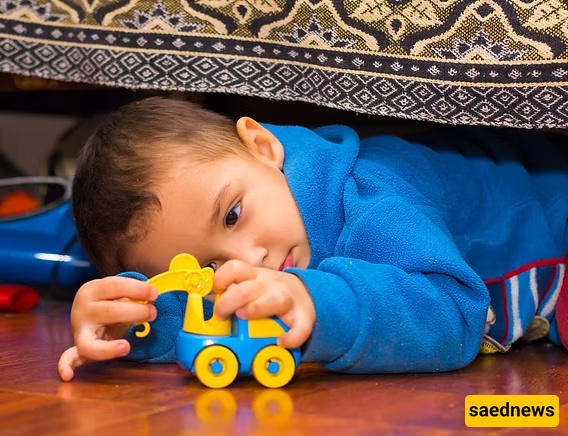
According to SAEDNEWS, children often view familiar objects differently from adults. A simple household item can become interesting when a child notices its shape, movement, color, or small details. Their developing brains are naturally curious, so even an ordinary object can provide an opportunity to learn.
Young children have a strong tendency to examine details that adults may overlook. A shiny surface, moving part, unusual shape, or changing shadow can hold their attention. Repeatedly observing the same object may help them understand how its different features relate to one another.
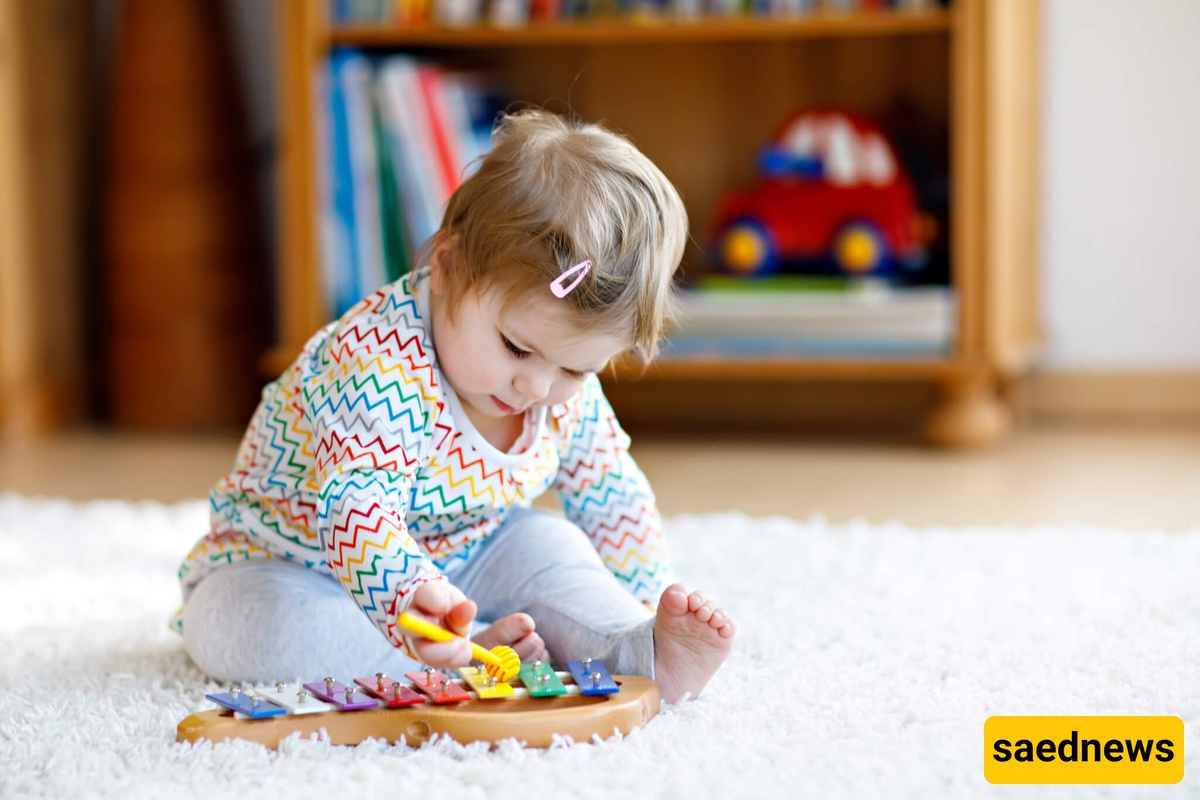
Watching an object for an extended period can also be a form of learning. Children use observation to build ideas about size, distance, movement, texture, and cause and effect. Instead of quickly moving from one object to another, they may focus on something long enough to understand it better.
Extended looking can reflect natural curiosity and growing concentration. When something matches a child's current interests, they may become deeply focused on it. Such moments can help children practice sustained attention while satisfying their desire to understand the world around them.
Spending extra time looking at an ordinary object is generally a normal part of childhood development, especially when the child also plays, communicates, responds to others, and shows interest in different activities. Children naturally vary in how long they focus on particular things, so occasional intense observation is not necessarily a concern.