SAEDNEWS: Children often give toys unusual names as a natural expression of language development, imagination, and creativity. These names can help them personalize toys and create imaginative stories.
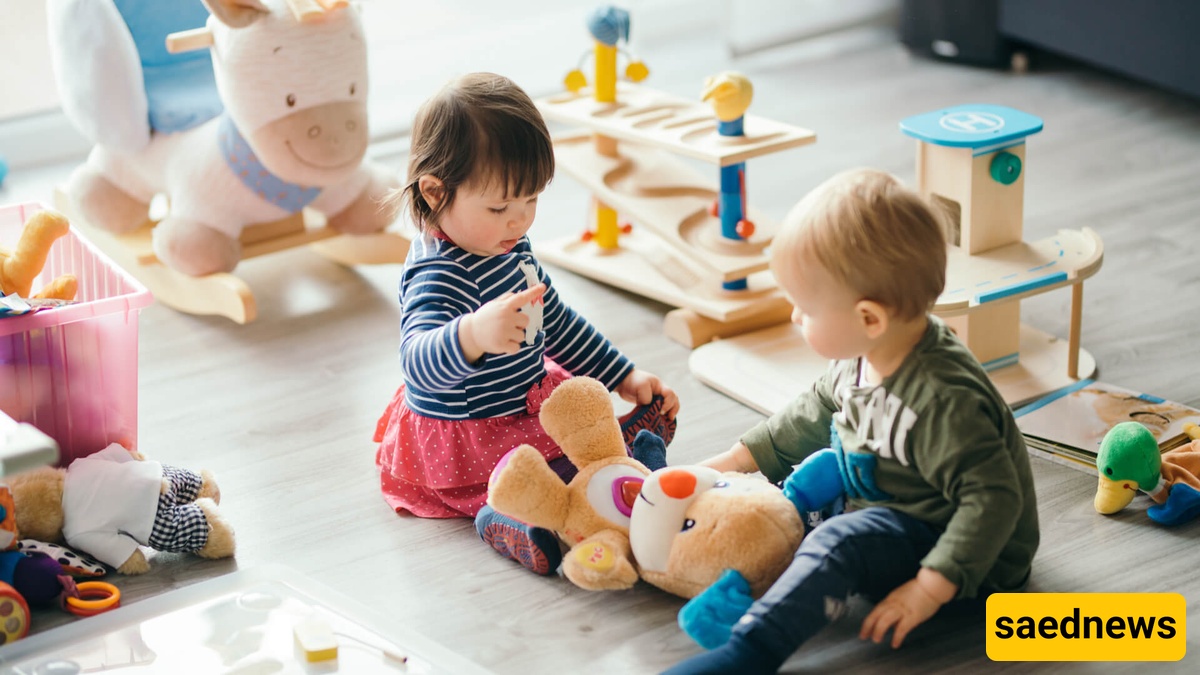
According to SAEDNEWS, children often create unusual names for their toys because they are experimenting with language. A child may combine sounds, change familiar words, or invent a completely new expression. At a young age, children are still learning how words work, so creating names gives them an opportunity to practice sounds, meanings, and communication in a playful way.
Invented toy names can also reflect a child's active imagination. A simple stuffed animal, doll, or toy vehicle may become a character with its own personality and story. Giving it a special name makes the imaginary world feel more real and allows the child to develop stories and situations during play.
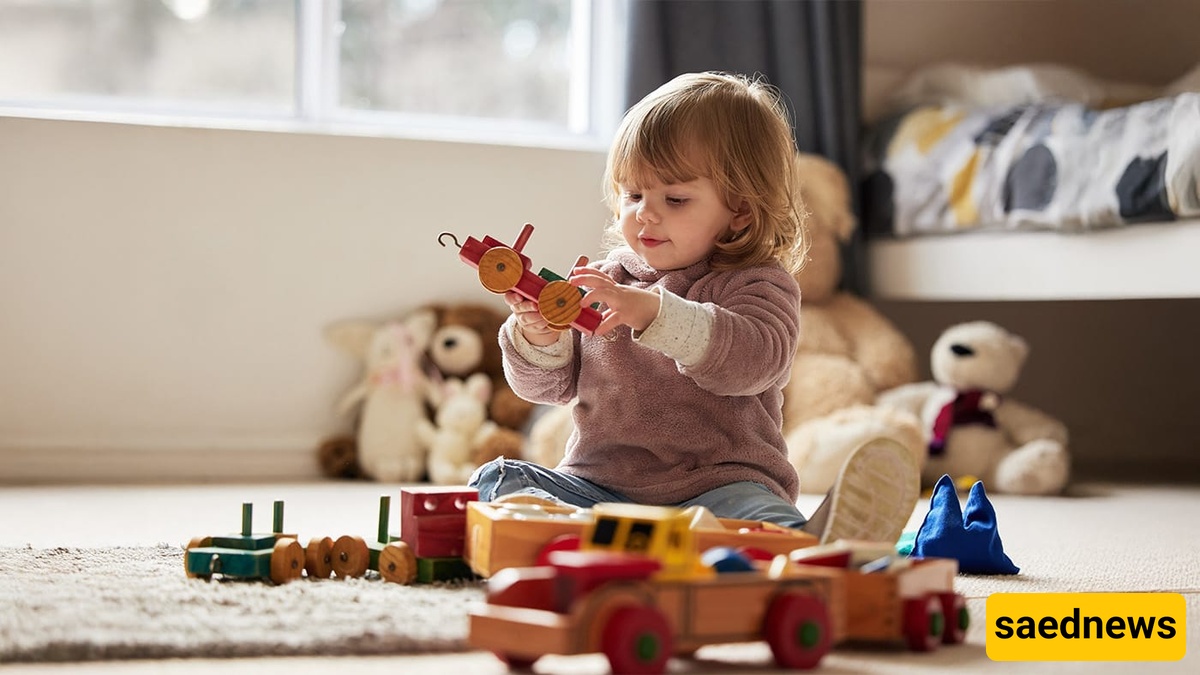
Naming a toy can create a stronger sense of personal connection. Children may choose a name based on the toy's appearance, sounds, movements, or a memorable experience. Sometimes the name has a meaning that only the child understands. The unusual choice may therefore represent how the child personally views the toy.
Children do not always use language in the same structured way as adults. They may create a name by combining two words, repeating sounds, or changing the pronunciation of a familiar word. Such playful experimentation can support vocabulary development and encourage children to think about how words can represent people, objects, and ideas.
There is usually no need to correct a strange toy name simply because it sounds unusual. Parents can ask gentle questions such as, “What does that name mean?” or “How did you choose it?” These questions can encourage children to explain their ideas and express themselves. Accepting creative names can make play more enjoyable while giving children valuable opportunities to practice language and imagination.