SAEDNEWS: Low-light rooms can make plant care challenging, but many houseplants can remain healthy with the right conditions. Choosing suitable plants, adjusting watering, keeping leaves clean, and making the most of available natural light can help indoor greenery grow steadily even in darker spaces.
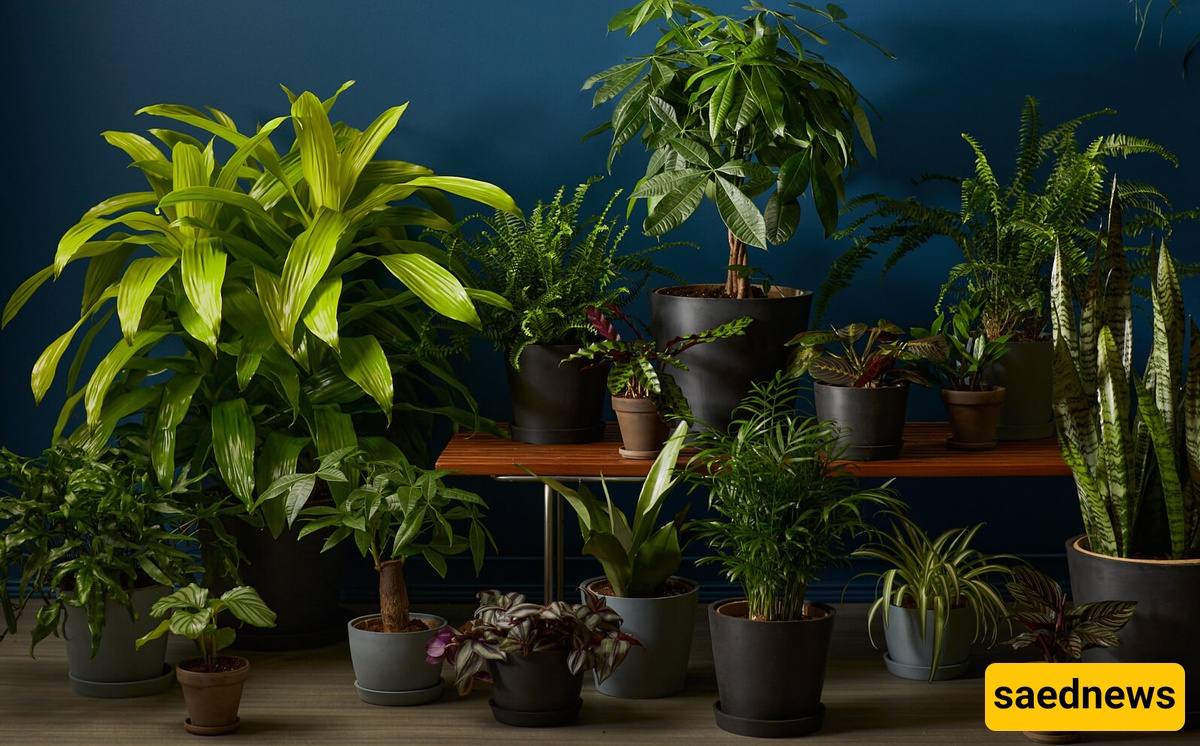
According to SAEDNEWS, the first step is selecting plants that naturally adapt to limited sunlight. Snake plants, pothos, ZZ plants, peace lilies, and certain varieties of philodendrons can generally tolerate lower-light conditions. Choosing an appropriate plant is easier than trying to make a sun-loving species thrive in a dark room.
Place plants as close as practical to windows where they can receive indirect daylight. Even a small amount of consistent natural light can support plant growth. Keep curtains or furniture from unnecessarily blocking the brightest areas, and occasionally rotate pots so different sides of the plant receive similar exposure.
Plants in low-light areas often use water more slowly because their growth and evaporation rates are reduced. Watering on a fixed schedule can therefore lead to excess moisture in the soil. Check the soil before watering and allow the appropriate amount of the surface to dry according to the plant's needs.
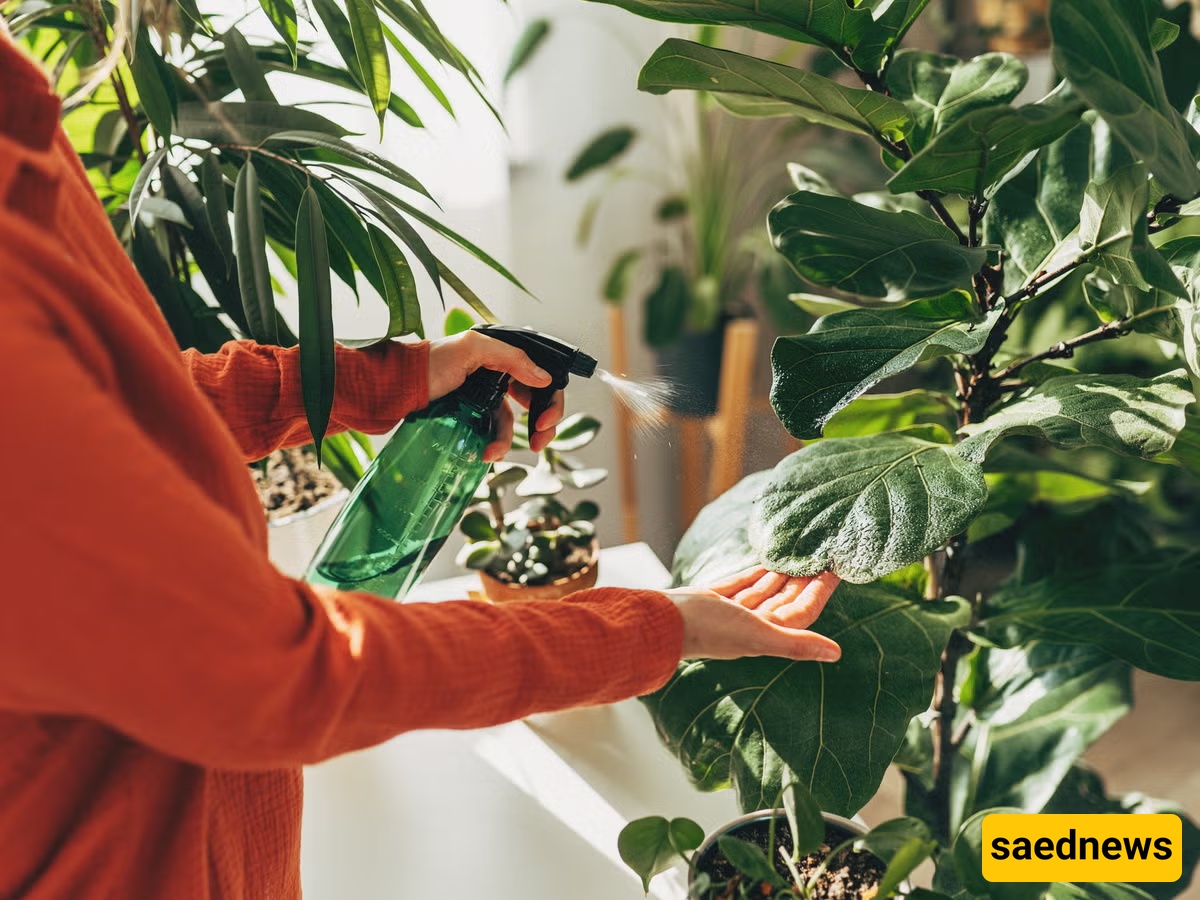
Dust that accumulates on leaves can reduce the amount of light reaching the plant's surface. Gently wiping broad leaves with a soft, slightly damp cloth can help keep them clean. Remove yellow or damaged leaves when necessary so the plant can direct its resources toward healthy growth.
Low-light plants should still be monitored for changes in their appearance. Slow growth, pale leaves, unusually long stems, or leaves leaning strongly toward a window may indicate that the plant needs more light. If possible, gradually move it to a brighter location with indirect light rather than making a sudden environmental change.