SAEDNEWS: Some plants grow best during a particular season because temperature, sunlight, humidity, and water availability strongly influence their development. Seasonal changes affect seed germination, root activity, leaf growth, flowering, and fruit production.
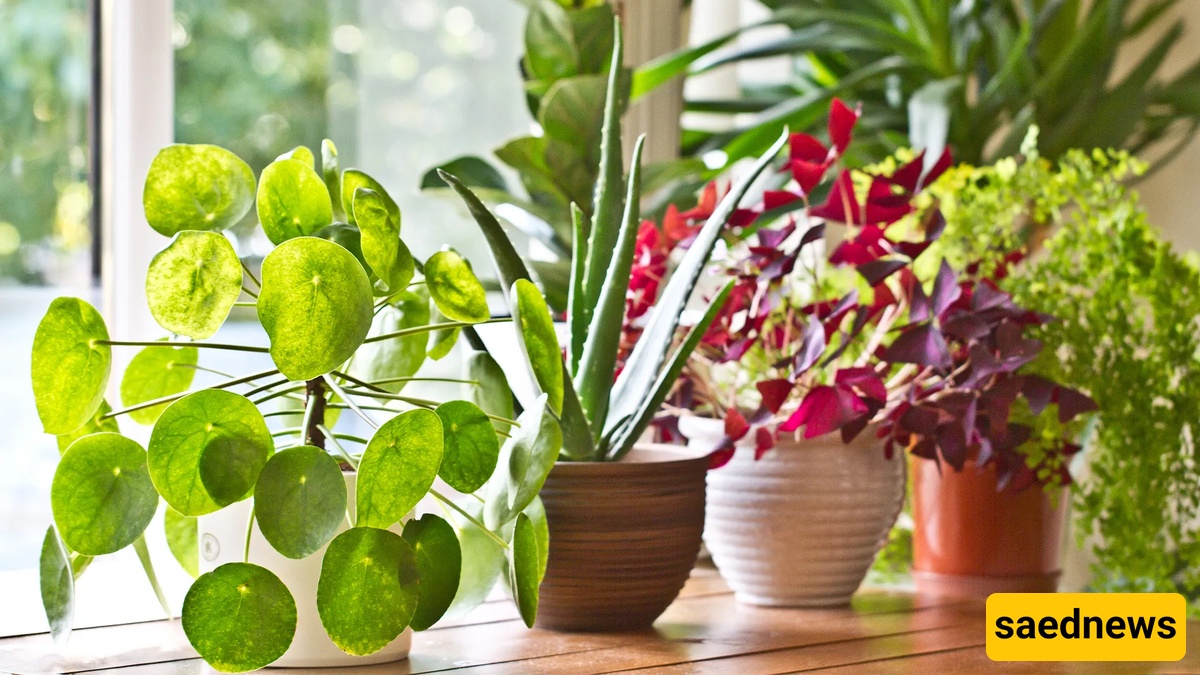
According to SAEDNEWS, temperature is one of the main factors determining how well a plant grows. Each plant has a preferred temperature range for healthy development. When temperatures become too low, growth may slow because biological processes become less active. Excessive heat can also cause stress, increase water loss, and damage delicate tissues.
The amount and intensity of sunlight vary from season to season. Plants need light to produce energy through photosynthesis, so shorter days or weaker sunlight can reduce their growth. Some plants require long periods of daylight, while others develop better when daylight hours become shorter.
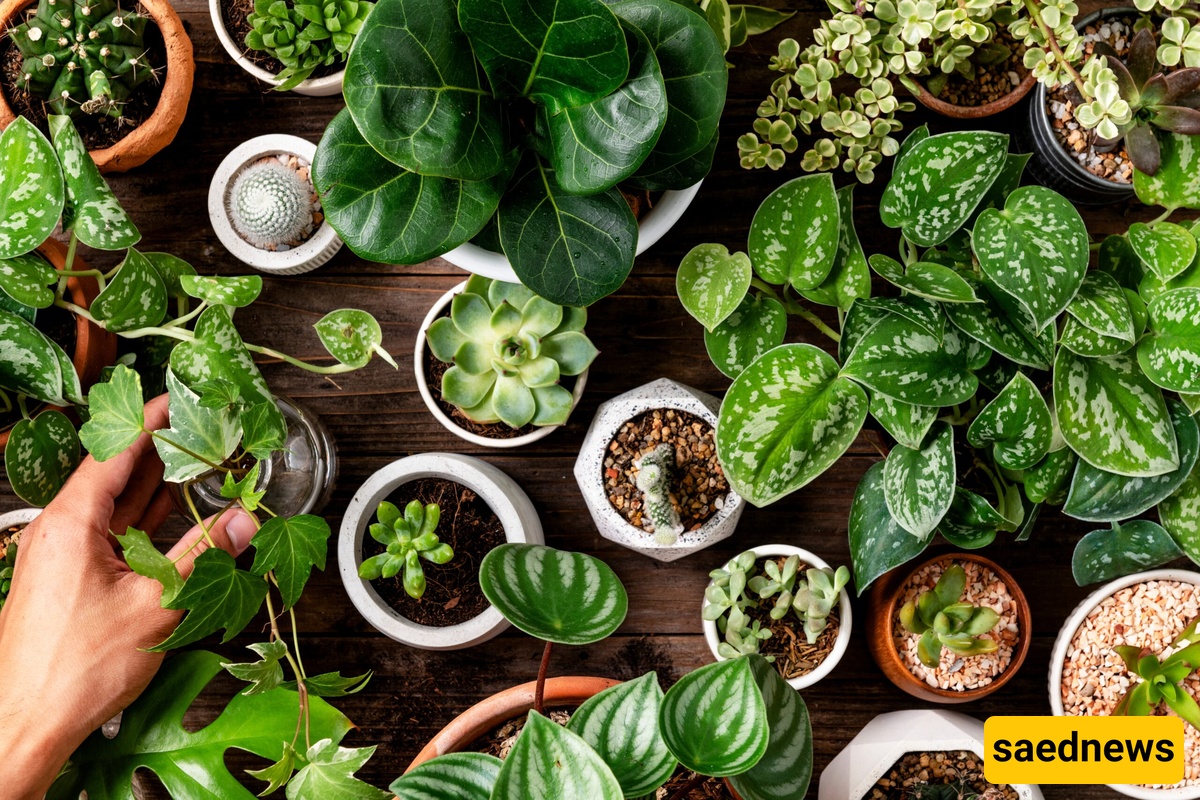
Seasonal rainfall and evaporation can greatly influence plant health. During a season with suitable moisture, roots can absorb enough water to support new leaves and stems. In contrast, very dry periods may limit growth, while excessive moisture can reduce oxygen around the roots and create unfavorable conditions.
Many plants naturally follow seasonal growth cycles. Some begin active growth when temperatures rise, while others enter a slower phase during colder months. Flowering and seed production may also depend on specific combinations of temperature and daylight, helping plants reproduce at the most suitable time.
Understanding seasonal needs can make plant care easier. Gardeners can adjust watering, sunlight exposure, planting times, and protection according to the plant's natural growth period. Providing conditions that closely match its preferred season can encourage stronger growth and help the plant remain healthier throughout the year.