SAEDNEWS: A kitchen floor can become greasy shortly after cleaning because of cooking splashes, airborne oil particles, food residue, and unsuitable cleaning methods. Understanding the main causes can make it easier to keep the floor cleaner for longer and prevent slippery surfaces.
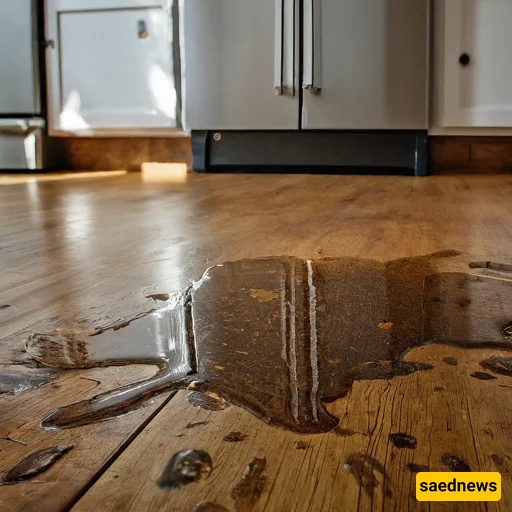
According to SAEDNEWS, one of the most common reasons for a greasy kitchen floor is the small amount of oil and food that escapes during cooking. Even when splashes are not clearly visible, tiny droplets can settle on nearby surfaces and gradually create a sticky layer. Areas around the stove and countertop usually become greasy faster than the rest of the floor.
Heat and steam produced while cooking can carry tiny grease particles through the air. These particles may eventually settle on the floor, especially when the kitchen has limited ventilation. Over time, repeated cooking can create a thin oily film that makes the floor feel dirty soon after it has been cleaned.
Using excessive amounts of floor cleaner does not always produce better results. Some products can leave a residue when they are not properly diluted or rinsed. That residue may attract dust and small particles, causing the floor to feel sticky and appear greasy again relatively quickly.
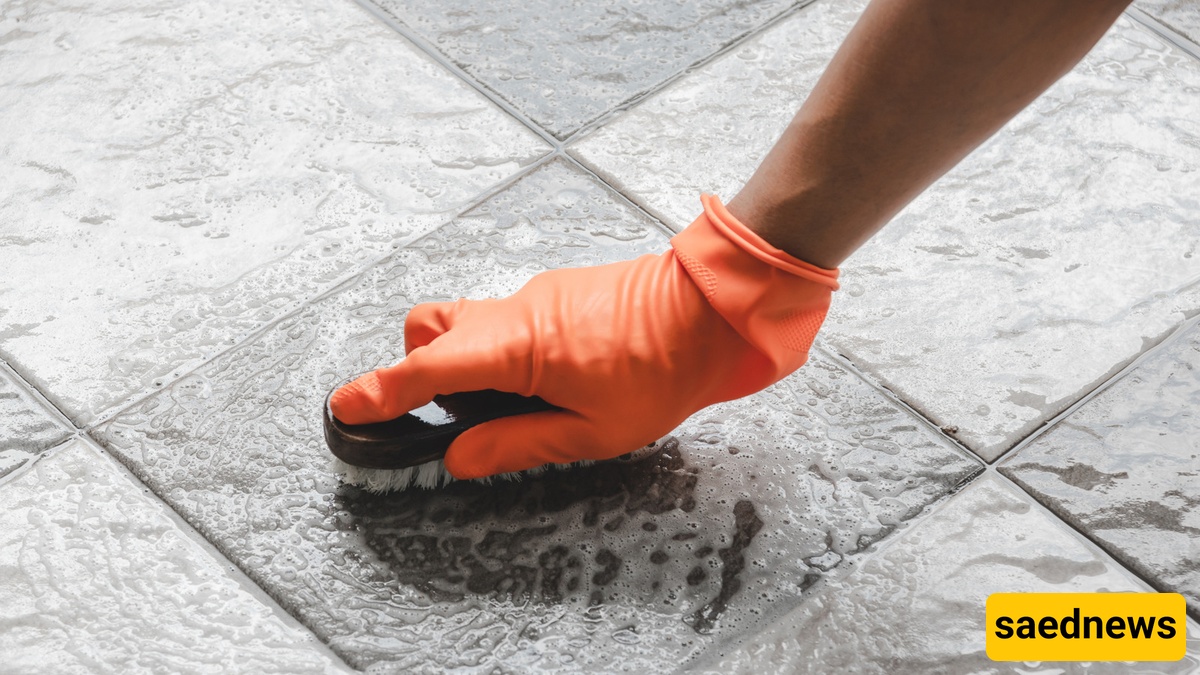
Mopping with water that has already collected grease can spread the residue instead of removing it. Reusing the same dirty water across the entire kitchen may leave a thin layer behind. Changing the water when it becomes cloudy or greasy and washing the mop regularly can help prevent this problem.
Regularly wiping areas near the stove, cleaning cooking splashes as soon as they happen, and maintaining good ventilation can significantly reduce grease buildup. A suitable floor cleaner should be used according to its instructions, followed by clean water when necessary. Frequent light cleaning is often more effective than allowing grease to accumulate and then trying to remove a thick layer.