SAEDNEWS: Watering a wilted plant does not always make its leaves recover immediately. Persistent wilting can result from poor drainage, damaged roots, unsuitable light, temperature stress, or watering problems. Understanding the possible causes can help restore healthier growth and prevent further damage.
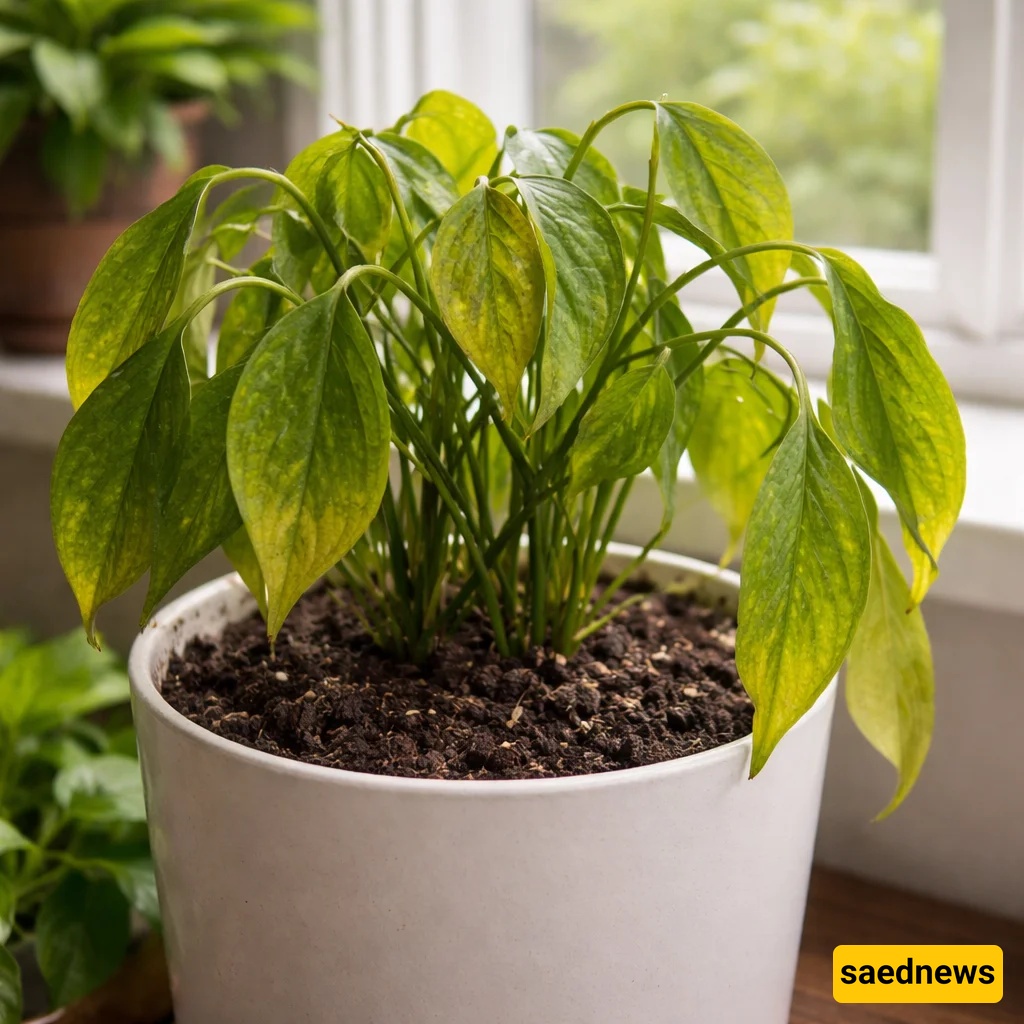
According to SAEDNEWS, one common reason leaves remain wilted after watering is that the roots cannot absorb enough moisture. Soil that stays excessively wet can limit the oxygen available around the roots, while very compact soil can also prevent water from reaching the root system properly. As a result, the plant may appear thirsty even when the soil contains plenty of water.
Root problems can also cause continued wilting. Damaged or unhealthy roots may be unable to transport water efficiently to the leaves. Checking whether the soil drains properly and whether water reaches the deeper parts of the pot can provide useful clues. A container with suitable drainage can help prevent water from remaining around the roots for too long.
Strong sunlight and high temperatures can increase water loss through the leaves. If a plant is placed near intense heat or receives more direct sunlight than it can tolerate, watering alone may not solve the problem. Moving it to a more suitable location with appropriate light and stable temperatures may help reduce stress.
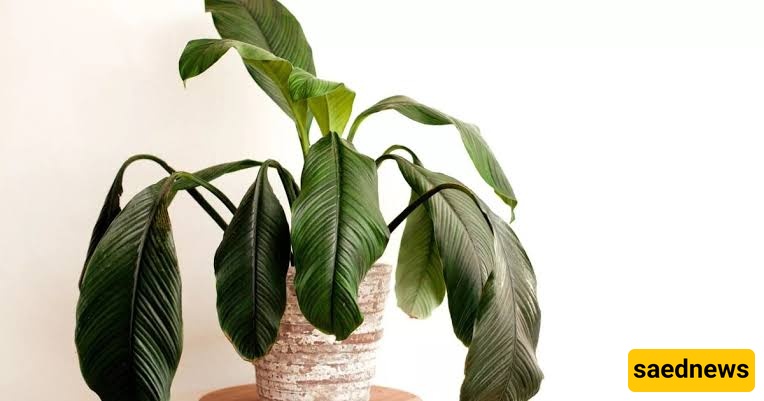
Repeatedly adding water whenever leaves look wilted can sometimes make the situation worse. Before watering again, check the moisture level of the soil rather than relying only on the appearance of the leaves. Allowing the soil to reach an appropriate level of dryness between waterings can help maintain a healthier balance.
Some plants need time to recover after experiencing environmental or root stress. After correcting the watering, drainage, light, and temperature conditions, observe the plant for several days. Removing severely damaged leaves when appropriate and maintaining consistent care can support new, healthier growth.