SAEDNEWS: In this article, we explore the different types of baby bathtubs, the key features of a high-quality product, and essential safety tips to help you make a safe and informed purchase.

According to Saednews, Bathing a baby is one of the most enjoyable yet delicate responsibilities for parents. A newborn’s sensitive skin and tiny body require special care, and choosing the right baby bathtub plays an important role in creating a safe and comfortable bathing routine.
With so many products available, many parents find it difficult to decide which type of baby bathtub is best for their child. In this guide, we explore the most common types of baby bathtubs, explain the features of a safe and practical model, and cover essential safety tips to help you make a confident and informed choice.
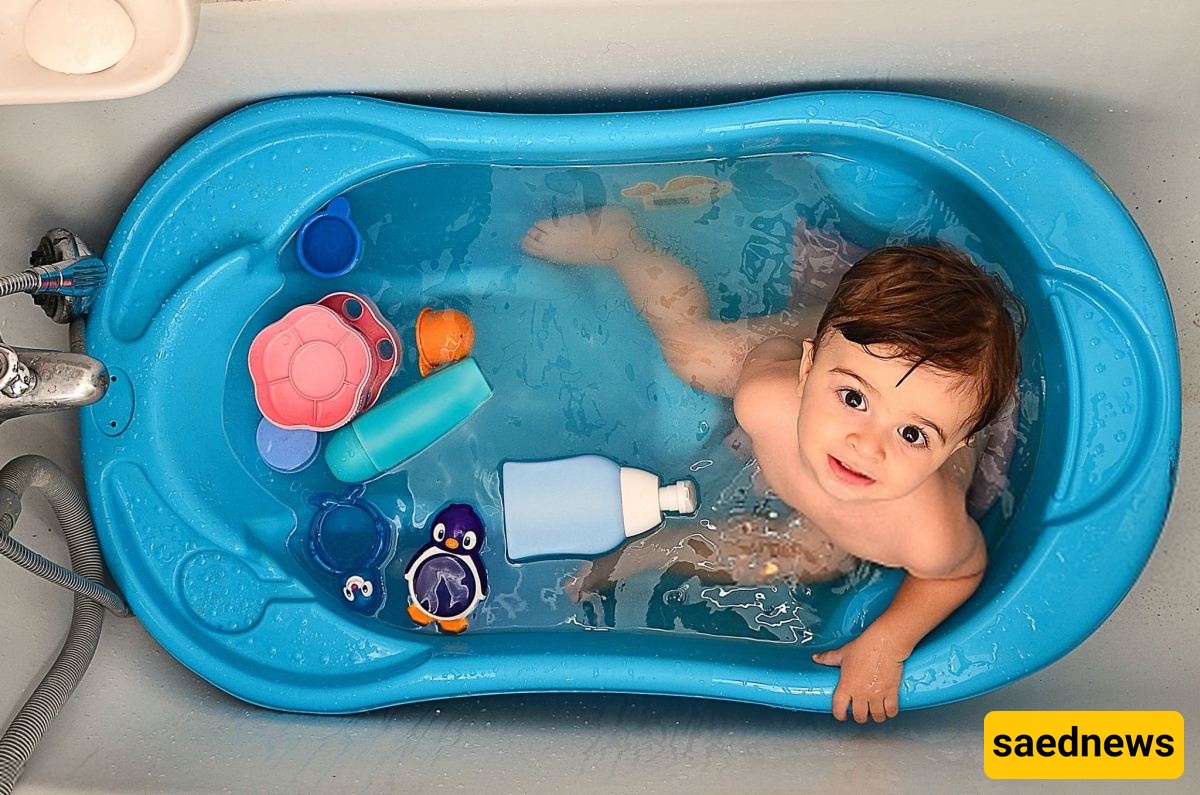
Traditional bathtubs made from rigid plastic or foam are among the most widely available options. Their main advantages are affordability, easy cleaning, and simple availability.
However, some older designs lack proper back support and non-slip surfaces, which can increase the risk of slipping, particularly for newborns. If you choose this type, look for a model with a textured or rubberized non-slip base.
These bathtubs typically feature a firm frame combined with a soft sponge insert that supports the baby’s body. The cushioned surface provides gentle support and can create a secure, comfortable feeling during bath time.
More advanced models come with adjustable backrests that can change position as the baby grows. These models can be particularly useful during the first few months.
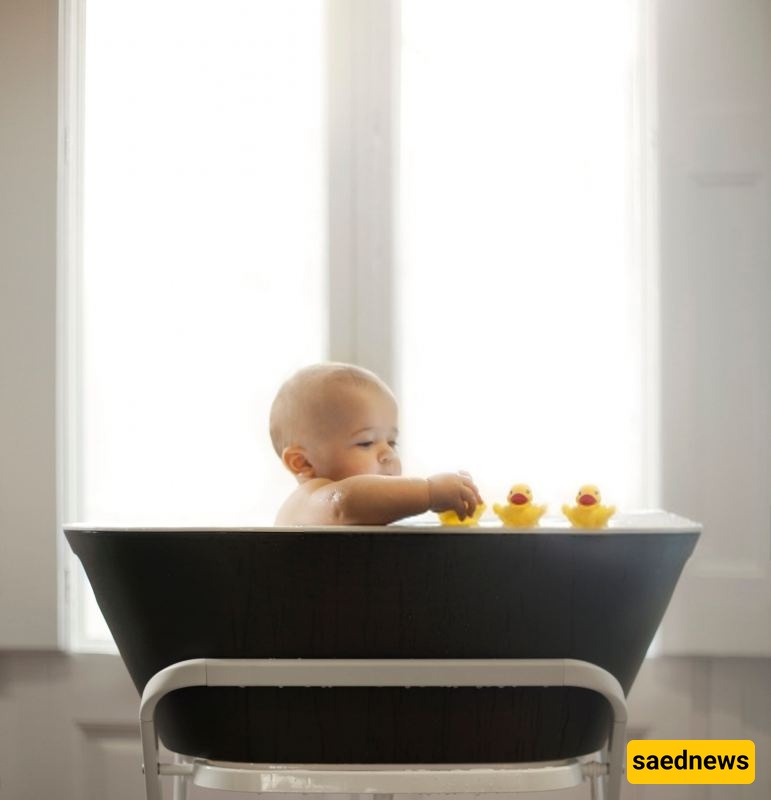
Inflatable bathtubs are usually made from plastic or TPU and can be deflated after use, making them extremely easy to store. They are especially convenient for travel or homes with limited space.
When purchasing an inflatable bathtub, make sure the material is durable and resistant to leaks. Inflating and deflating the tub each time can be somewhat time-consuming, but its lightweight design and affordable price make it a popular choice for many families.
Foldable silicone bathtubs are among the newer options available for babies. They are generally made from flexible silicone or plastic that can be folded flat after bath time, making storage much easier.
Some models include integrated digital water-temperature indicators, which can provide additional reassurance for new parents.
Modern designs, durable construction, and easy storage are some of their key advantages. Although they can cost more than basic plastic tubs, their durability and practicality may make them a worthwhile long-term option.
These models are designed to sit securely on or around a kitchen or bathroom sink, allowing parents to bathe the baby at a more comfortable height without having to bend over as much.
Many feature non-slip supports and a sloped design that helps keep water away from the baby’s face.
These bathtubs are generally intended for younger babies and may become less suitable as the child grows and becomes more active. Before using one, make sure the sink or supporting surface is stable and secure. Keep the baby away from the faucet to reduce the risk of bumps or burns.

Now that you know the main types of baby bathtubs, it is important to understand which features can make a model safer and easier to use.
Look for a bathtub made from baby-safe materials such as food-grade polypropylene, medical-grade silicone, or BPA-free materials.
The material should be durable, easy to clean, and resistant to normal household cleaning products used for maintaining hygiene.
The bottom of the bathtub should have a textured or rubberized surface to help prevent the baby from sliding while lying or sitting.
If the bathtub includes a cushioned insert, the insert should also provide adequate grip and remain securely in place during use.
A young baby has limited control over the head and neck, so adequate support is essential. A well-designed backrest should comfortably support the baby’s head, neck, and body.
An adjustable support can be especially useful because it can accommodate the baby as they grow.
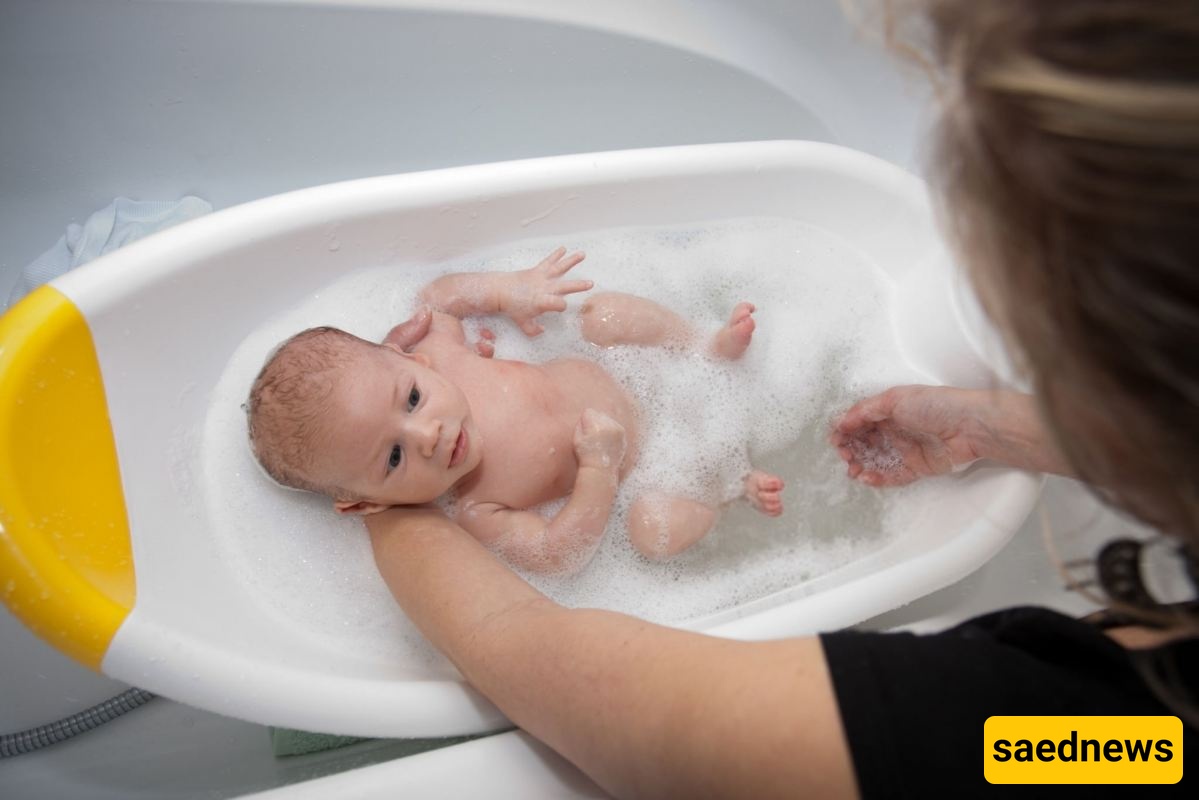
A built-in drain near the bottom of the tub can make emptying the water much easier. It allows parents to drain the bathtub without having to lift and carry a heavy container full of water.
Easy drainage also makes cleaning and drying the bathtub more convenient.
Many parents are unsure about the ideal bathing temperature for a baby. Water that is too hot can cause burns, while water that is too cold can make the baby uncomfortable.
A bathtub with an integrated temperature indicator can provide an additional safety check. If your bathtub does not have one, consider using a separate bath thermometer.
Choose a bathtub that fits comfortably in your bathroom and is appropriate for your baby’s current size.
A lightweight design, compact storage, and easy-to-clean materials can make a significant difference in everyday use. Models that can be thoroughly washed and dried are especially convenient.
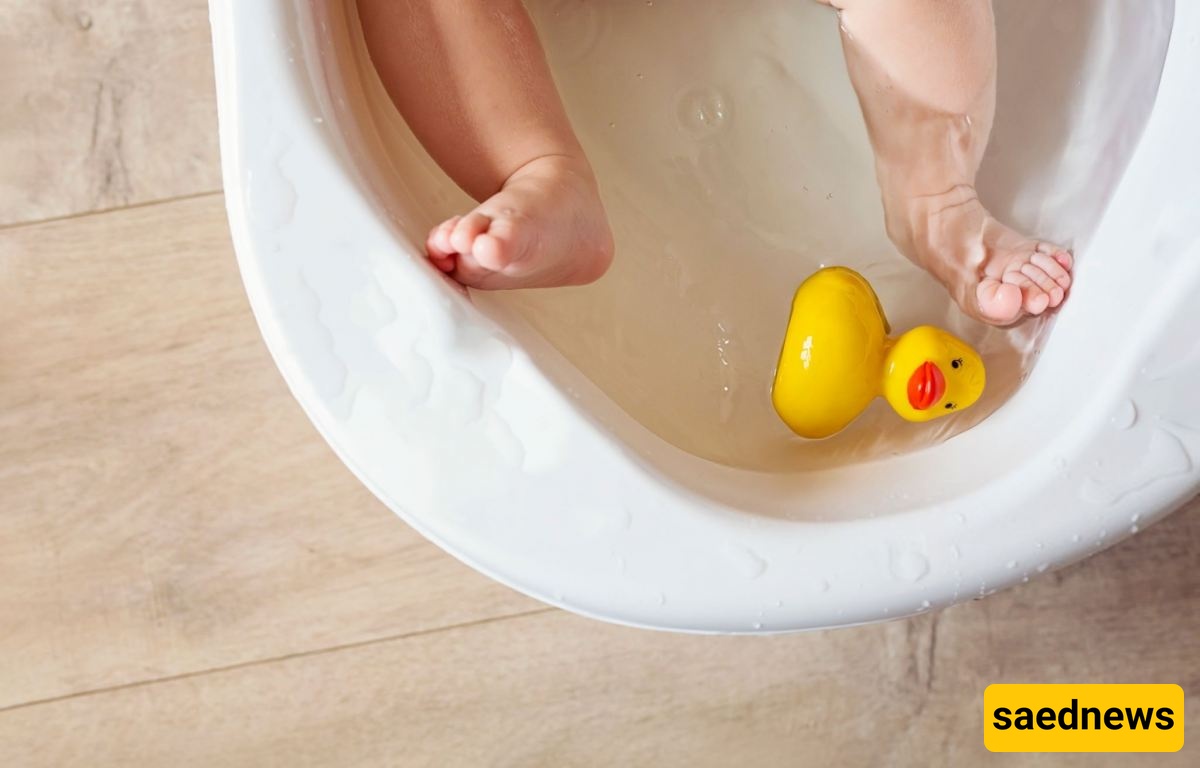
Choosing a suitable bathtub is only part of creating a safe bathing routine. Proper supervision and preparation are even more important.
Never leave your baby alone: Stay within arm’s reach at all times. A baby can drown quickly and silently, even in a small amount of water.
Prepare everything beforehand: Have the towel, clean diaper, clothes, soap, and other necessities within reach before placing your baby in the tub.
Check the water temperature first: Prepare the water before putting the baby into the bathtub. Never add hot water while the baby is in the tub.
Use only a small amount of water: Babies do not need a deep bath. Keep the water level low and make sure the baby’s face and head remain well above the water.
Keep bath time brief: Short baths can help prevent the baby’s skin from becoming overly dry and reduce discomfort from temperature changes.
Keep the faucet out of reach: If you are using a sink-compatible bathtub, position the baby away from the faucet and make sure hot water cannot accidentally reach them.
Avoid directing a strong stream of water toward the baby’s head: Use a small cup to rinse the baby’s hair gently rather than placing the baby directly under a running shower.
There is no single bathtub that is perfect for every family. The best choice depends on your baby’s age, development, bathroom space, and daily routine.
Newborns: Look for a tub with secure head, neck, and body support.
Babies around 3–6 months: A bathtub with a supportive seat or adjustable insert may be suitable as the baby develops better head and body control.
Babies who can sit independently: A larger bathtub with a stable, non-slip base can provide more room for movement.
Always follow the manufacturer’s recommended age, weight, and developmental limits.
Small bathroom: A foldable or inflatable bathtub can save valuable storage space.
Convenient sink access: A sink-compatible model may provide a comfortable bathing height.
Larger bathroom: A full-size baby bathtub with additional storage or accessories may be more practical.
Budget-friendly: A simple plastic bathtub with a separate supportive insert.
Mid-range: A cushioned bathtub with additional support and a temperature indicator.
Premium: A foldable silicone model with features such as temperature monitoring and convenient drainage.
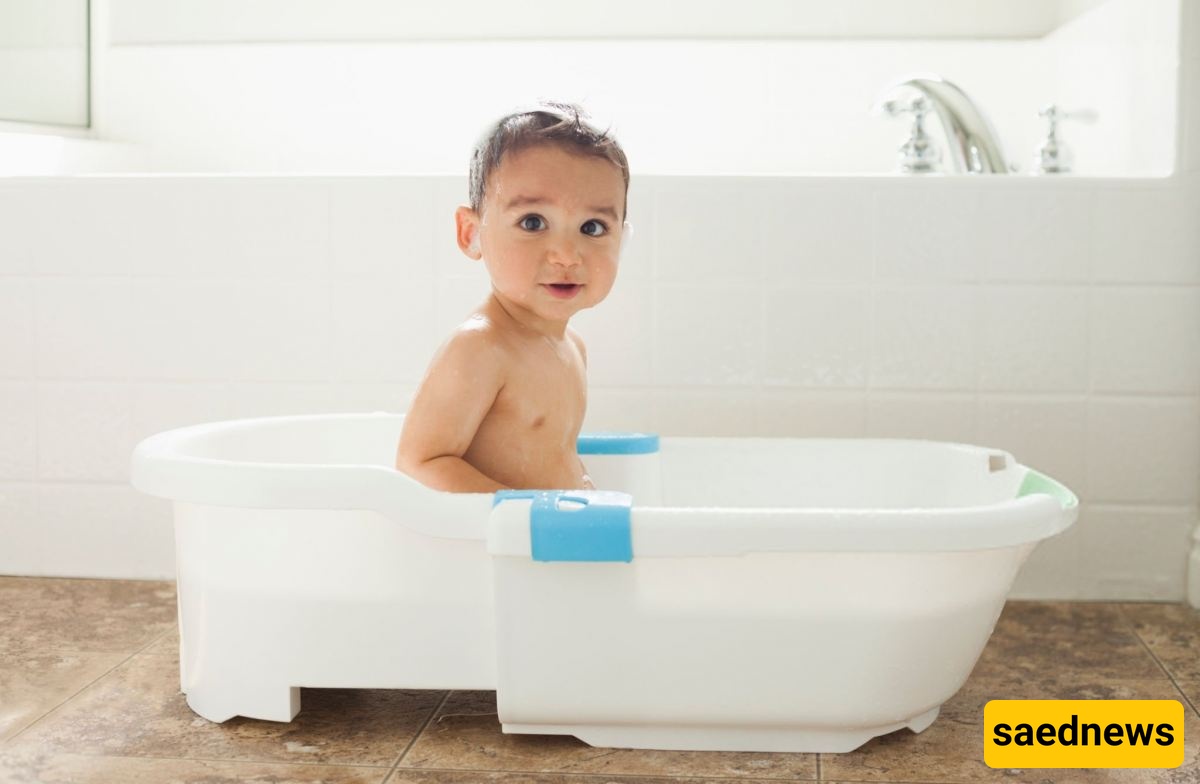
The best baby bathtub is not necessarily the most expensive or feature-packed model. The right choice is one that provides reliable support, a stable non-slip surface, safe materials, convenient cleaning, and an appropriate size for your baby.
Most importantly, remember that no bathtub can replace active adult supervision. With the right equipment and careful preparation, bath time can become a comfortable, enjoyable, and safe experience for both you and your baby.