SAEDNEWS: Hanging clothes correctly helps improve airflow, reduce drying time, and prevent unwanted wrinkles. Simple spacing, proper positioning, and choosing suitable hanging methods can make air-drying clothes more effective and convenient.
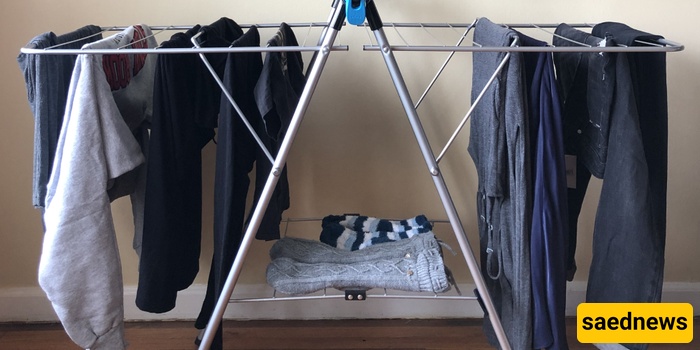
According to SAEDNEWS, the way clothes are arranged while drying can significantly affect how quickly and evenly they lose moisture. Crowding garments together can trap dampness, while proper spacing allows air to circulate around each item.
Avoid hanging clothes too close together. Leave a small gap between shirts, trousers, towels, and other garments so that air can move freely around them. Better airflow helps moisture evaporate more efficiently and reduces the chance of clothes remaining damp for a long time.
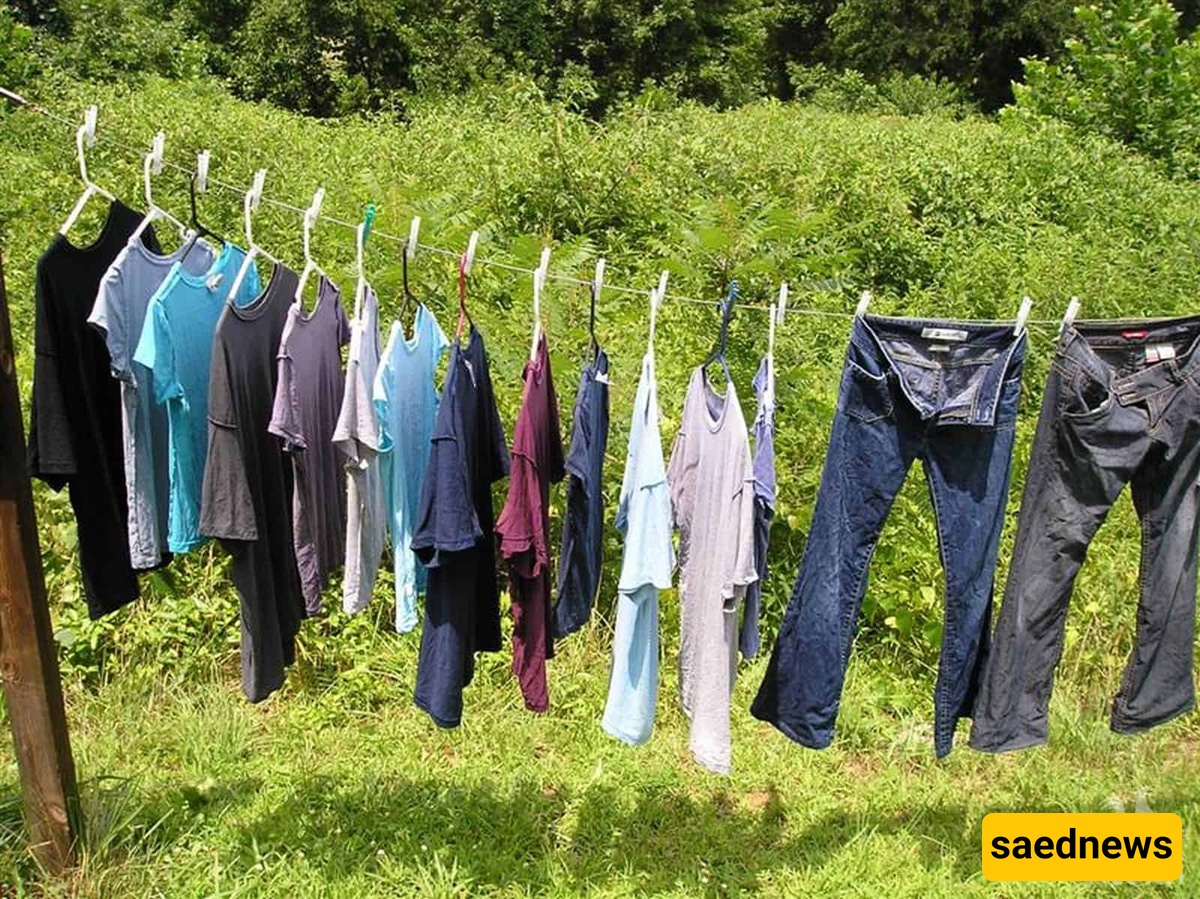
Thicker parts of clothing, such as waistbands, pockets, collars, and cuffs, often hold more moisture. Position these areas where they can receive good airflow. For trousers, opening the legs and placing them evenly can help both sides dry more effectively.
When hanging clothes, spread them out as much as possible rather than folding large sections over one another. Folding creates layers that dry slowly. Shaking each garment gently before hanging can also help separate the fabric and reduce wrinkles.
If one side of a garment remains damp, turn it over after part of the drying process. This is particularly useful for thicker clothing and fabrics that take longer to dry. Checking the seams and heavier areas can help you identify which parts need more airflow.
Place clothes in a clean, well-ventilated area with enough room between items. Direct exposure to strong heat is not always necessary; steady airflow can be more useful for even drying. Once the garments are completely dry, fold or store them promptly to keep them fresh and organized.