SAEDNEWS: Storing rarely used clothes efficiently can help keep wardrobes organized while making better use of limited space. Simple folding methods, seasonal rotation, storage bags, and practical containers can protect clothing and reduce unnecessary clutter.
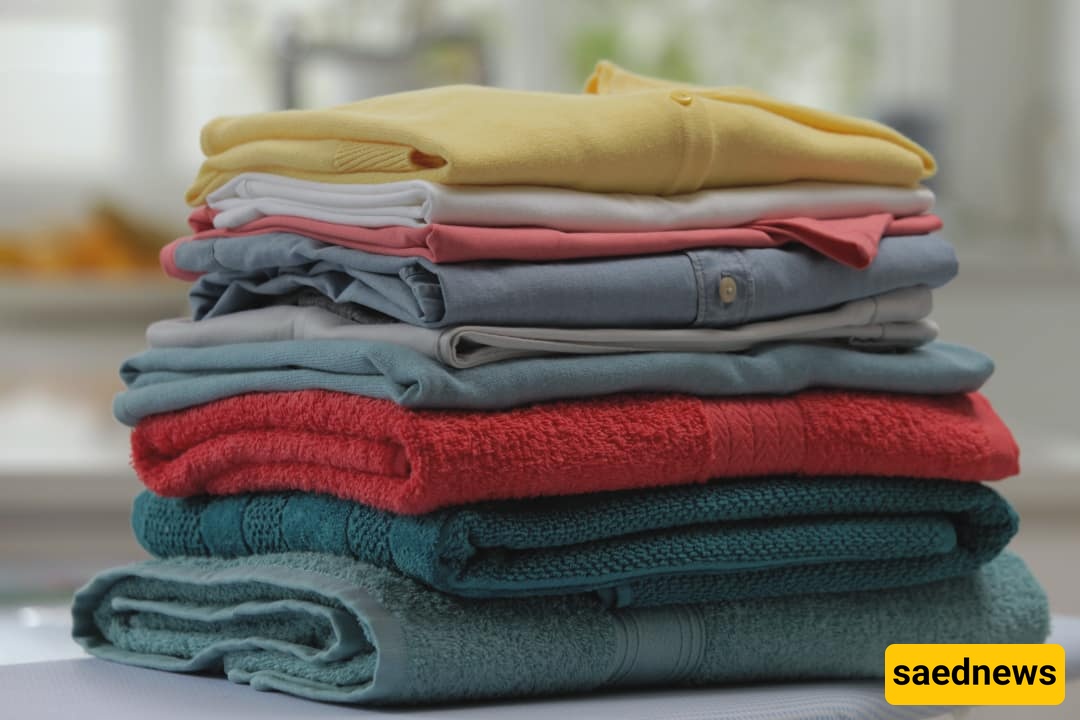
According to SAEDNEWS, the first step is to identify clothes that are not needed regularly, such as seasonal outfits, formal garments, or extra outerwear. Keep these pieces separate from everyday clothing so your main closet remains easier to use. Choose a dry, cool, and clean area such as the upper part of a wardrobe, an under-bed storage space, or a suitable shelf.
Folding clothes carefully can significantly reduce the amount of space they require. T-shirts, sweaters, trousers, and similar garments can be folded into compact shapes and stacked neatly. Rolling lightweight clothing can also help use narrow spaces more efficiently. Avoid creating excessively tall piles, as they can become difficult to access and may cause the clothes at the bottom to be forgotten.

Vacuum storage bags can be useful for bulky seasonal clothing because they reduce the volume of soft garments. Before storing clothes, make sure they are completely clean and dry. Label each bag according to its contents, such as winter clothing or special-occasion outfits, so you can quickly locate what you need without opening every package.
Unused areas around the home can provide valuable storage opportunities. The space beneath a bed, the top shelf of a wardrobe, or the back of a large cabinet can hold rarely used clothes. Storage boxes with lids can keep garments protected from dust while allowing them to be organized in compact sections.
Good organization prevents rarely used clothing from becoming difficult to find. Place the items you need least often in less accessible areas and keep more frequently used seasonal pieces closer at hand. Check stored clothes occasionally, refold them if necessary, and remove garments that are no longer needed. A simple labeling system can also make long-term storage much more convenient.