SAEDNEWS: Dry leaf tips often result from irregular watering, dry air, excess fertilizer, poor water quality, or unsuitable light and temperature. Identifying the cause can help restore healthier plant growth.
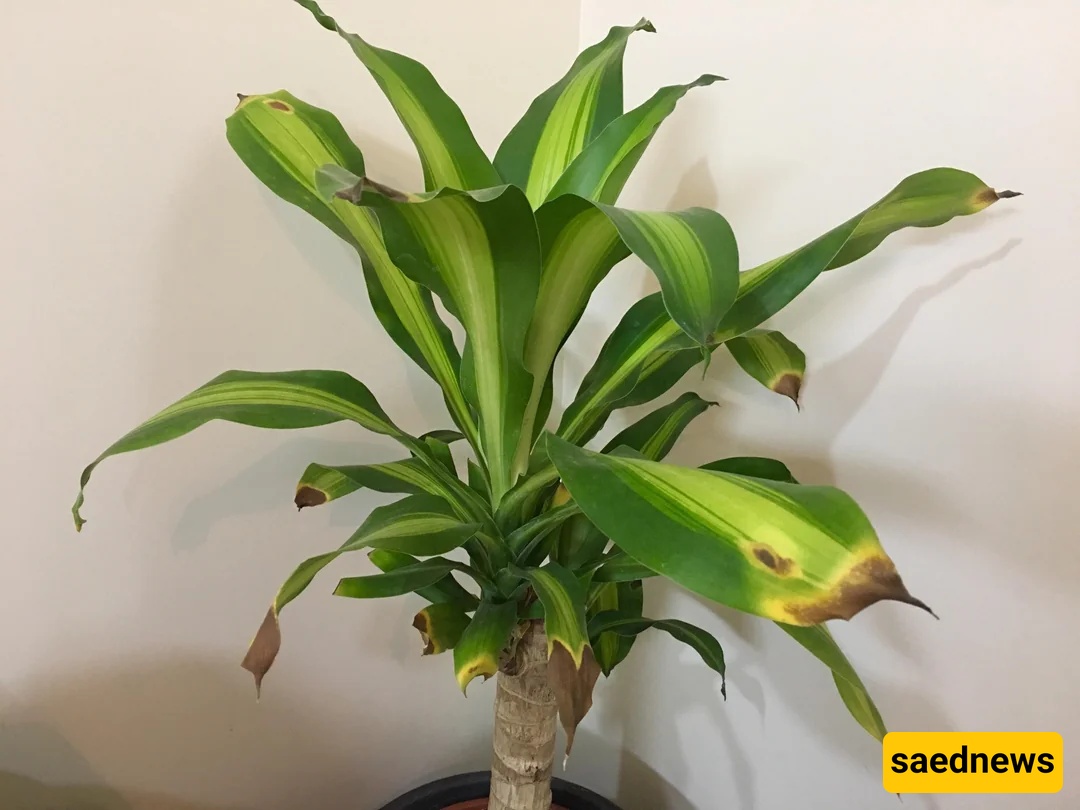
According to SAEDNEWS, dry and brown leaf tips do not always mean that a plant is seriously unhealthy. The problem often develops when the plant experiences environmental stress. Looking at the soil, watering routine, room conditions, and overall appearance of the plant can help determine what is causing the dryness.
One of the most common causes is inconsistent watering. Allowing the soil to become extremely dry and then adding a large amount of water can stress the roots and affect moisture delivery to the leaves. Plants generally benefit from a consistent watering routine suited to their particular needs.
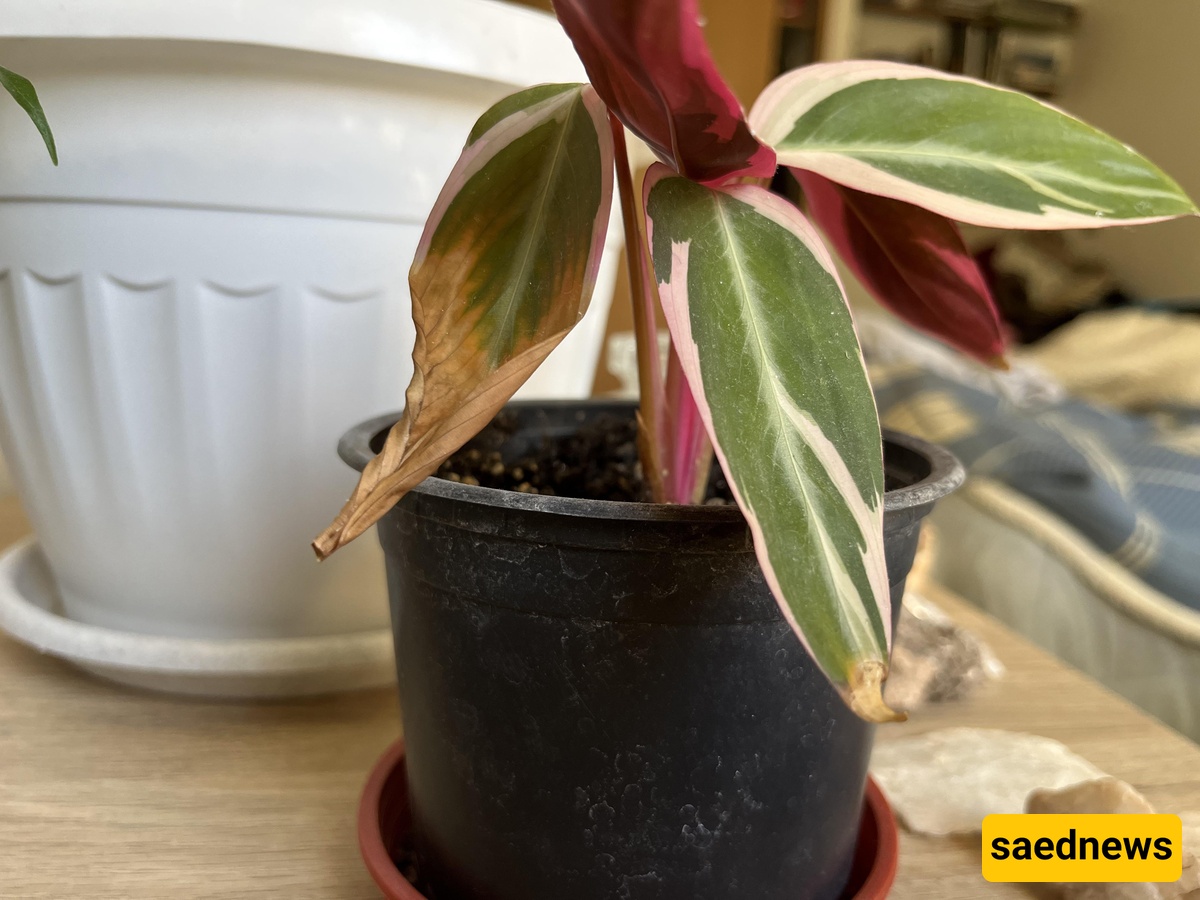
Low humidity can also make leaf tips turn brown and crispy. Indoor heating, air conditioning, and naturally dry rooms may reduce moisture around the plant. Moving the plant away from strong drafts and maintaining suitable humidity can help reduce moisture loss from the leaves.
Excessive fertilizer can increase the concentration of salts in the soil, which may interfere with the roots' ability to absorb water. Brown tips can sometimes appear as a result. Using fertilizer carefully and following the recommended amount can help prevent this problem.
Strong direct sunlight, sudden temperature changes, or unsuitable water can also contribute to dry leaf tips. Checking whether the plant is receiving appropriate light and keeping it away from extreme heat or cold can improve its condition. If the same problem continues, reviewing the quality of the water and the condition of the soil may also be useful.