SAEDNEWS: Why Is the Lion Called the King of the Jungle?
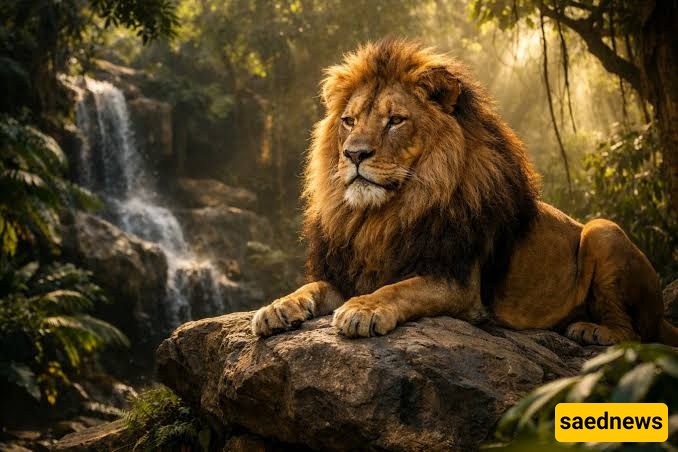
According to Saednews, The lion is one of the world's best-known animals and has been regarded for centuries as a symbol of power, courage, and leadership. When many people hear the phrase “King of the Jungle,” they immediately think of the lion. But an important question remains: why is the lion considered the king when animals such as elephants are larger, cheetahs are faster, and other species may be superior in particular abilities?
The answer is not simply the lion's physical strength. Its special status comes from a combination of its majestic appearance, social behavior, hunting abilities, territorial defense, and the important role it has played in human culture and history.
Before exploring the reasons behind this famous title, it is important to clarify that lions do not normally live in jungles. Their primary habitats are open environments such as African savannas, grasslands, and plains.
“King of the Jungle” is a symbolic title given by humans because of the lion's distinctive characteristics. There is no official ruler of the animal kingdom in nature. However, the lion has earned this reputation because of its position as an apex predator and its remarkable combination of physical and social characteristics.
Scientifically known as Panthera leo, the lion is one of the largest predators in the cat family and plays an important role in maintaining ecological balance in many African ecosystems.
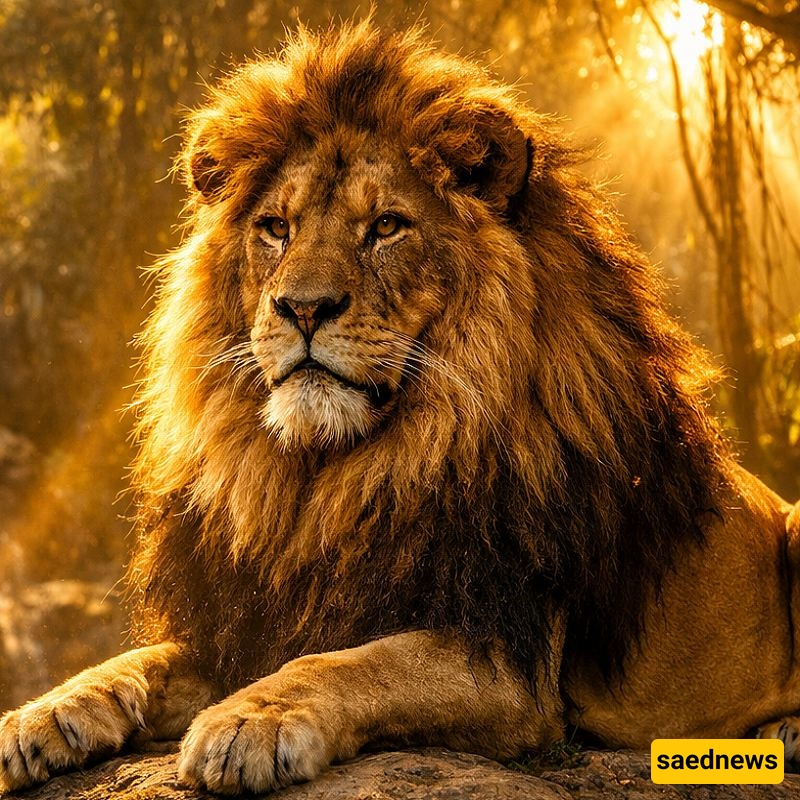
One of the main reasons for the lion's popularity is its powerful appearance. A male lion's large mane and commanding expression create an image of authority and leadership.
Its muscular body, powerful paws, sharp teeth, and deep roar have helped establish the lion as a symbol of strength and dominance. Throughout history, many civilizations have used images of lions to represent powerful kings, rulers, and warriors.
One of the most important differences between lions and many other large cats is their social lifestyle. Lions live in groups called prides, which generally consist of several females, their cubs, and one or more males.
Living together helps lions:
Protect their territory
Care for their cubs
Coordinate hunts for larger prey
Defend themselves against rivals
This highly social lifestyle contributes to the image of the lion as a natural leader rather than simply a solitary predator.
Another major characteristic of lions is their strong territorial behavior. Male lions commonly play an important role in protecting the pride's territory.
They communicate their presence through:
Powerful roars
Scent marking
Displays of strength toward rival lions
A lion's roar is one of the most recognizable sounds in nature and can be heard from several kilometers away under suitable conditions.
Lions are powerful hunters, but their success does not depend solely on physical strength. Much of the hunting within a pride is carried out by lionesses.
Lionesses often work together to:
Surround prey
Limit escape routes
Coordinate their attacks
This teamwork allows lions to successfully hunt animals that might be difficult for a single predator to overcome.
In their natural ecosystems, lions are apex predators, meaning that adult lions have very few natural predators.
However, this does not mean that lions are invincible. Animals such as elephants, rhinoceroses, and buffalo can pose serious threats to lions under certain circumstances. Nevertheless, as large predators, lions have a significant influence on the populations and behavior of other animals in their ecosystems.
The lion is more than a powerful wild animal; it has become a global cultural symbol. Throughout history, lions have appeared in:
Royal emblems
Statues
Stories
Legends
Works of art
In many cultures, lions have represented courage, justice, strength, and leadership. This long-standing cultural association is one of the main reasons the title “King of the Jungle” has remained popular.
Humans often interpret animal behavior through human concepts. The lion's role in protecting its group, its powerful presence within its territory, and its majestic appearance have encouraged people to associate it with a king.
Of course, lions live according to natural survival instincts. Their behavior should not be judged according to human moral standards.
No. The lion is not the strongest animal in every category.
For example:
The African elephant is much larger and physically more powerful.
The cheetah is considerably faster.
The tiger is a serious competitor in terms of individual size and strength.
Hyenas can challenge lions when they gather in large groups.
The lion's reputation does not come from being the best at everything. Instead, its unique combination of strength, social behavior, hunting ability, territorial defense, appearance, and cultural significance has given it a special place in the human imagination.
Lions and tigers are both among the world's largest cats, but they have very different lifestyles.
Tigers are generally solitary animals that rely heavily on individual strength, stealth, and ambush tactics. Lions, on the other hand, live socially and rely significantly on cooperation within the pride and collective defense of their territory.
For this reason, a simple comparison is difficult. Each species has evolved to survive under different environmental and social conditions.
Lions are the only large cats that regularly live in large social groups.
A lion's roar is among the loudest sounds produced by land animals.
Lionesses are responsible for much of the pride's hunting.
Lions in the wild typically live for around 10 to 15 years.
A male lion's mane can provide information about his age, health, and condition.
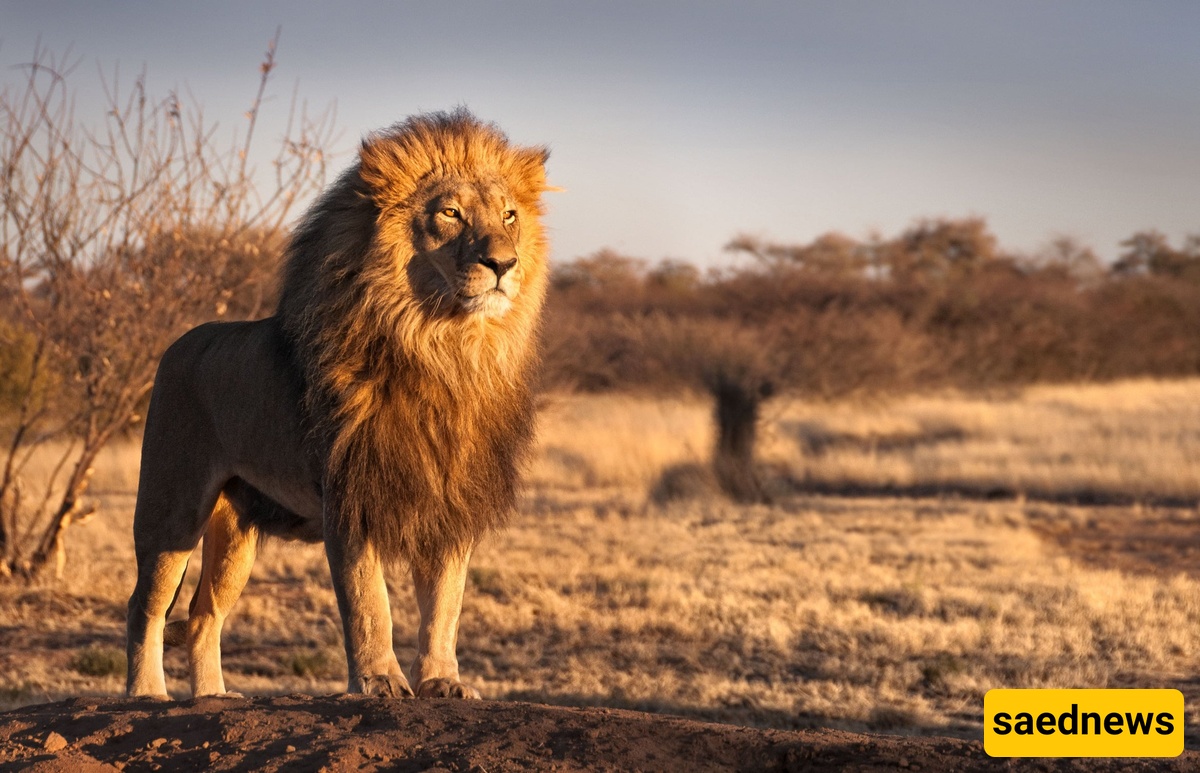
Because of its physical power, majestic appearance, social lifestyle, territorial behavior, hunting abilities, and symbolic importance in human cultures.
No. Animals such as elephants are larger and physically stronger, but lions are among the most powerful predators in their natural environments.
Usually not. Most wild lions live in savannas, grasslands, and open plains, particularly in Africa.
No. “King of the Jungle” is a cultural expression rather than a scientific title. No animal is officially the ruler of all other animals.
So, why is the lion called the King of the Jungle?
The title does not mean that lions are superior to every other animal. Instead, it reflects the remarkable combination of strength, majestic appearance, social cooperation, territorial behavior, hunting ability, and cultural significance associated with the species.
The lion may not be the largest, fastest, or strongest animal on Earth, but few animals combine so many powerful characteristics in such a recognizable way. For centuries, this unique combination has made the lion one of nature's most enduring symbols of power, leadership, courage, and majesty.