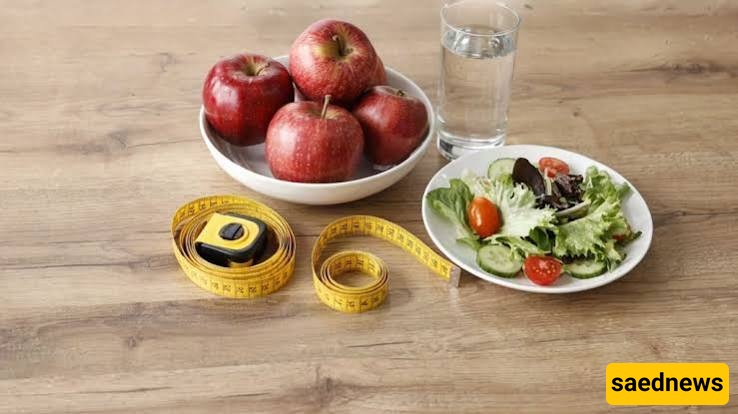
SAEDNEWS: If you're looking to lose 10 kg in one month without exercise, these eight practical steps can help you work toward your goal through a low-calorie diet, adequate water intake, and supplements.
According to Saednews, We often plan to lose 10 kilograms before a special occasion, but as the days pass, those 10 kilograms are still there.
As a last resort, some people wonder whether losing 10 kilograms in one month without exercise is possible. While any weight-loss plan should consider the risk of regaining weight, the following steps are often suggested for rapid weight loss.
To lose weight, you need to consume fewer calories than your body uses. Some rapid weight-loss plans recommend consuming fewer than 1,100 calories per day, although such a restrictive diet may not be appropriate for everyone.
Instead of eating three large meals, try eating five smaller meals. This may help you manage hunger and develop more controlled eating habits.
When looking for a low-calorie snack, choose fruit. Fruits such as apples provide fiber and can help you feel full without adding excessive calories.
Drink at least 10 to 12 glasses of water per day. Avoid high-calorie beverages such as regular soft drinks, sugary fruit juices, sweetened tea, and alcohol.
If you want more variety, lower-calorie options may include unsweetened tea and black coffee.
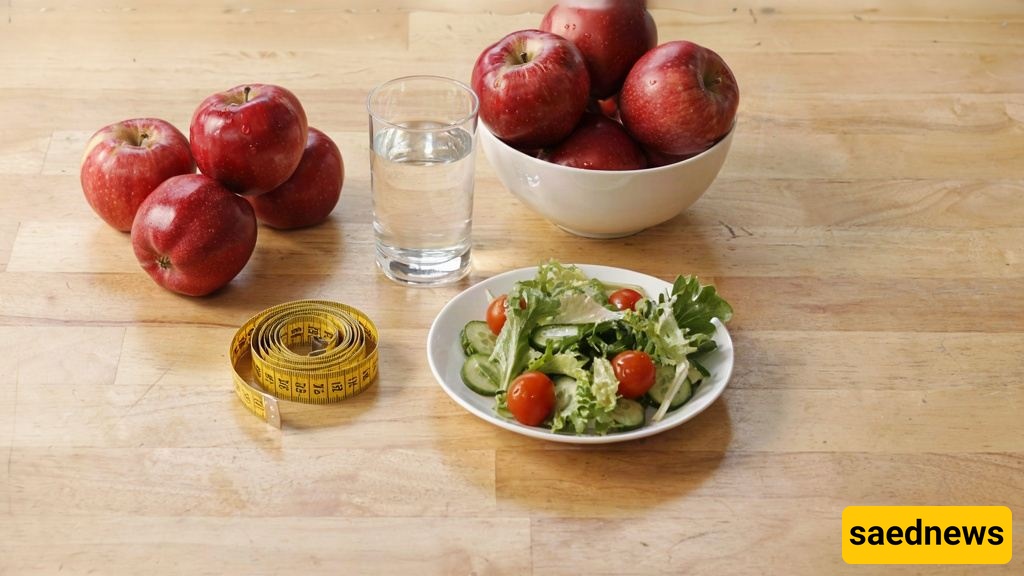
Write down everything you eat and drink. Tracking your intake can help you monitor your eating habits, estimate your daily calorie consumption, and make sure you are drinking enough water.
Some diets recommend supplements such as L-glutamine to reduce hunger and cravings or L-carnitine to support fat metabolism. However, supplements are not a substitute for a balanced diet, and their effectiveness for major weight loss may vary.
Limit weigh-ins to once a week. Daily weight fluctuations can be discouraging and may not accurately reflect long-term fat loss.
A very restrictive diet can make it difficult to obtain essential nutrients. A healthcare professional can help determine whether nutritional supplements are necessary and whether a weight-loss plan is safe.
Note: Losing 10 kilograms in one month is an extremely rapid goal and may not be safe or sustainable for everyone. A gradual, medically appropriate approach is generally safer.