SAEDNEWS: Cow and sheep ghee are both high-quality, nutritious fats, but they differ in taste, properties, and uses, so the best choice depends on your individual needs.
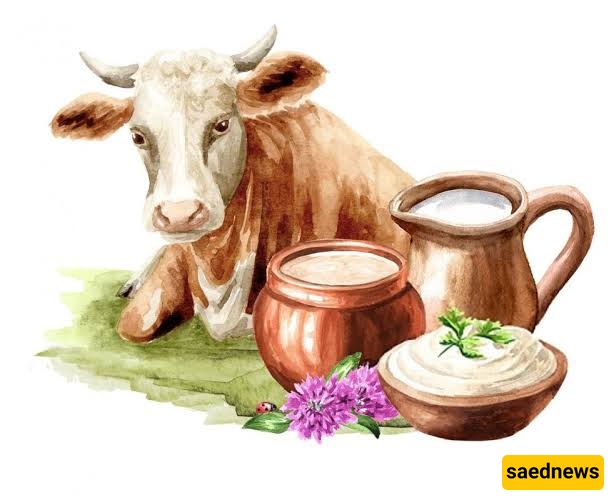
According to Saednews, Animal fat, traditionally known as animal butter oil or ghee, is one of the oldest and most widely used edible fats in Iranian cuisine and many other cultures around the world. Made from animal butter, it is mainly produced from cow’s milk or sheep’s milk.
Although both types are nutritious traditional fats, they differ in flavor, aroma, nutritional composition, texture, cooking applications, shelf life, price, and availability. Understanding these differences can help consumers choose the option that best suits their preferences and dietary needs.
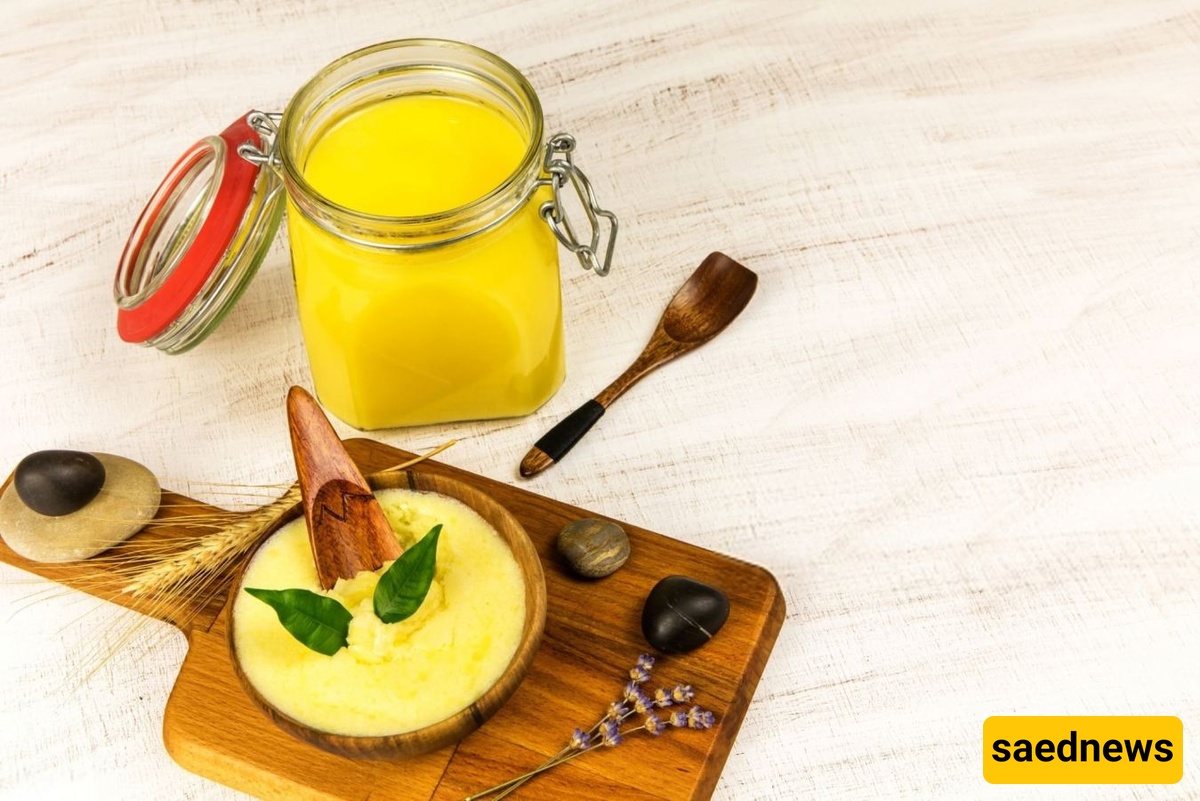
Cow butter oil is made from cow’s milk. It is widely produced in many parts of Iran, particularly rural and nomadic regions where cattle farming is common. Cow’s milk produces a relatively consistent fat with a mild flavor and good storage stability.
Sheep butter oil is made from sheep’s milk. It is commonly produced in mountainous and colder regions where sheep farming is prevalent. Sheep’s milk generally contains more fat than cow’s milk, resulting in a richer and more pronounced product.
Both cow and sheep butter oils are rich in saturated fats, although their fatty-acid profiles can differ.
Cow butter oil: Generally has a more balanced proportion of saturated and unsaturated fatty acids and contains notable amounts of butyric acid.
Sheep butter oil: Typically contains a higher concentration of fat and more short- and medium-chain fatty acids, which can be readily used as an energy source.
Both varieties contain fat-soluble vitamins, although their amounts can vary depending on the animal's diet and production methods.
Vitamin A: Sheep butter oil may contain relatively high levels, supporting normal eye and skin health.
Vitamin D: Cow butter oil can provide vitamin D, which contributes to normal calcium absorption.
Vitamin E: Both varieties contain vitamin E, with amounts varying by product.
Vitamin K2: Dairy fats can contain vitamin K2, although the amount depends on factors such as feed and processing.
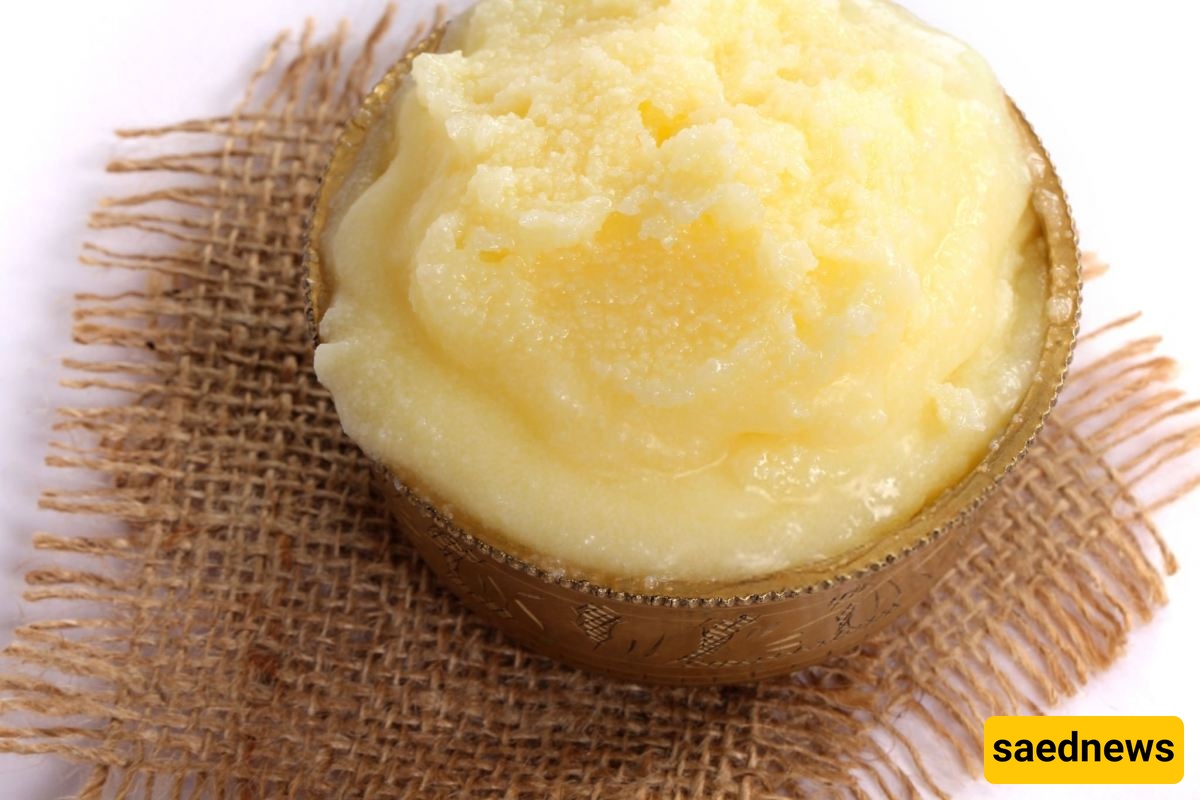
Cow butter oil generally has a milder, creamier, and more buttery flavor. Its aroma is usually less intense, making it suitable for dishes where the natural flavor of the ingredients should remain prominent.
Sheep butter oil has a stronger flavor and a more distinctive aroma. Its characteristic scent resembles that of sheep's milk and can be particularly noticeable when used in cooking. Some people find this flavor appealing, while others may consider it too strong.
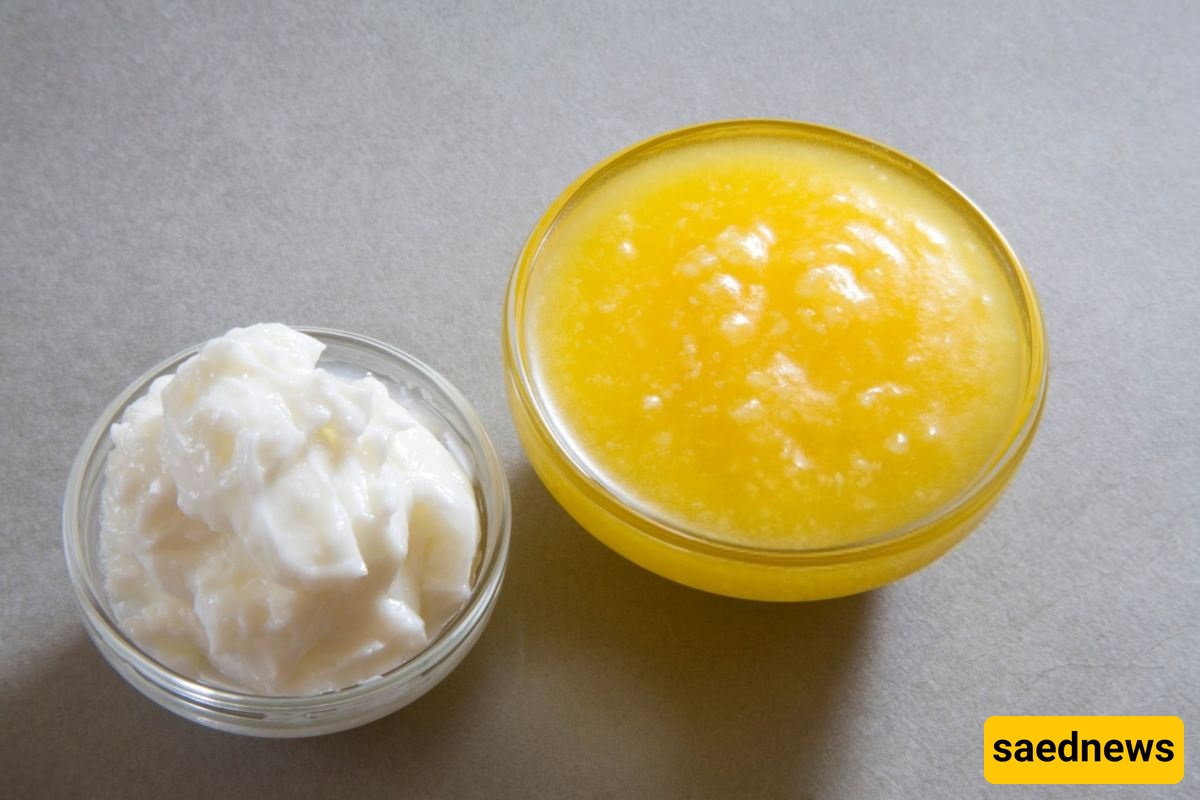
Cow butter oil: Usually ranges from light yellow to golden yellow, partly due to natural pigments such as carotenoids in cow’s milk.
Sheep butter oil: Often appears creamy, pale yellow, or nearly white because sheep’s milk generally contains less beta-carotene.
Cow butter oil: Usually has a softer and creamier texture and may soften relatively easily at room temperature.
Sheep butter oil: Often has a firmer, denser texture and may remain harder at room temperature.

The smoke point of clarified animal fats can vary considerably depending on how they are produced and purified, so fixed temperatures should not be assumed for every product.
Both types can be used for cooking, but their suitability depends on the degree of purification and the cooking method.
Cow butter oil has a relatively mild flavor and can be used in a wide range of dishes, including rice, stews, baked goods, eggs, and sautéed vegetables.
Sheep butter oil is particularly valued in traditional dishes where a strong, distinctive dairy aroma is desirable. It can be used in dishes such as qormeh sabzi, kaleh pacheh, haleem, traditional breads, and certain types of kuku.
Properly clarified and stored animal butter oil can have a relatively long shelf life because much of the moisture and milk solids have been removed. However, shelf life varies according to preparation, packaging, temperature, exposure to oxygen, and contamination.
Cow butter oil may remain stable for an extended period when stored correctly. Sheep butter oil can also be stored for a long time, but its quality may deteriorate more quickly if exposed to heat, air, light, or moisture.
Both types should be kept in a cool, dry, dark place and protected from direct sunlight. Refrigeration is advisable for longer-term storage, particularly after opening or when the product has not been fully clarified.
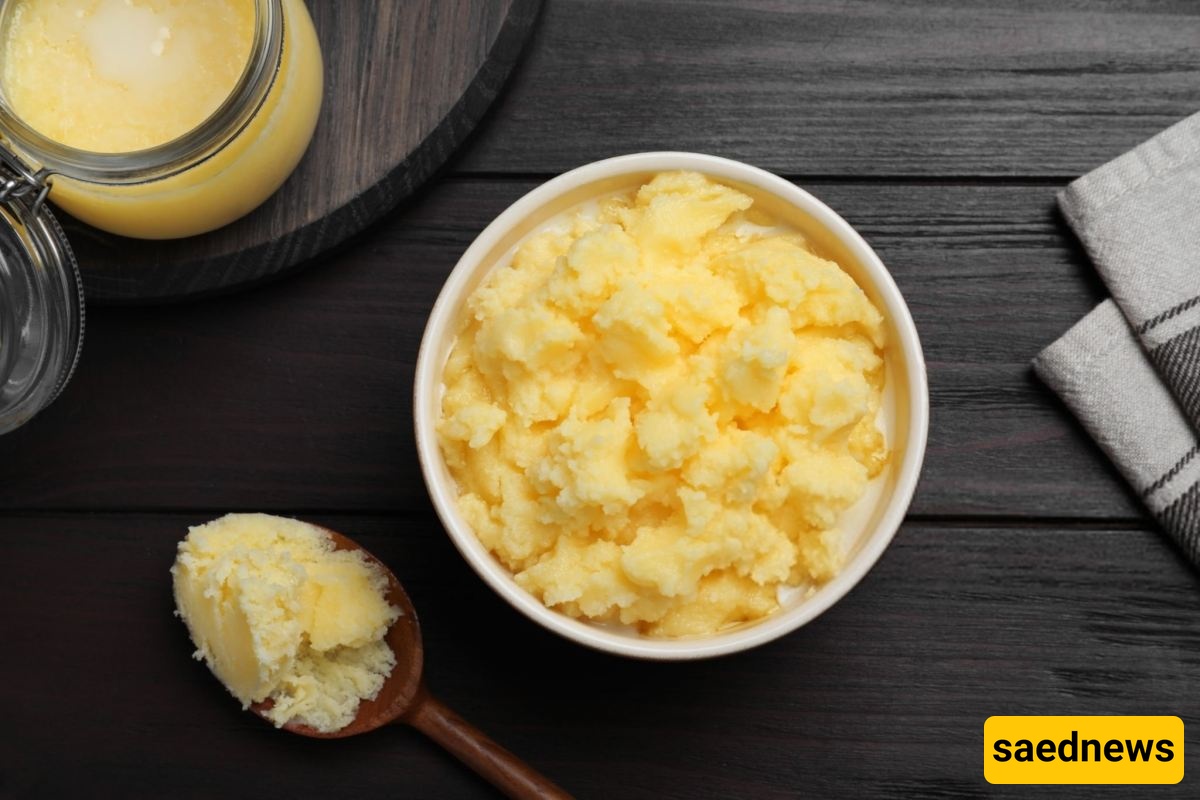
Both cow and sheep butter oils are calorie-dense and contain substantial amounts of saturated fat. For this reason, they are best consumed in moderation, particularly by people who need to limit saturated-fat intake.
Claims that one variety automatically improves heart health or increases “good” HDL cholesterol should not be interpreted as evidence that consuming large amounts is beneficial.
Clarified butter oils contain little lactose and milk protein compared with regular butter, although the exact amount depends on production. Individual tolerance can vary, and high-fat foods may cause digestive discomfort in some people.
Because these fats contain fat-soluble vitamins and other naturally occurring compounds, they can contribute nutrients to the diet. However, their nutritional value depends on the animals' diet, processing methods, and product quality.
Sheep butter oil is often more expensive than cow butter oil. Sheep generally produce less milk than cows, while production and farming conditions can also contribute to higher costs.
Cow butter oil is generally easier to find in local markets and food stores. Sheep butter oil may be less widely available and is often purchased from specialty producers or local suppliers.
Choose cow butter oil if you prefer a mild and relatively neutral flavor.
Choose sheep butter oil if you enjoy a stronger aroma and the distinctive taste associated with traditional dairy products.
For everyday cooking and recipes where a mild flavor is preferred, cow butter oil can be a versatile option.
For traditional dishes where a pronounced dairy aroma is desirable, sheep butter oil may be preferable.
Neither type should automatically be considered healthier. Both are energy-dense fats and significant sources of saturated fat. The better choice depends on your overall diet, individual nutritional needs, and portion size.
If affordability and easy availability are priorities, cow butter oil is generally the more practical choice.
If you are willing to pay more for a distinctive traditional flavor, sheep butter oil may be worth considering.
Cow butter oil and sheep butter oil are both traditional dairy fats with distinctive characteristics. Their main differences lie in their source, flavor, aroma, texture, nutritional composition, availability, and culinary uses.
Cow butter oil is generally milder, more versatile, and easier to find, making it a practical choice for everyday cooking. Sheep butter oil offers a stronger aroma and richer traditional character, making it particularly appealing for certain regional and traditional dishes.
Ultimately, the best choice depends on personal taste, intended use, budget, and individual dietary requirements. Regardless of which type you choose, moderation and product quality are important when incorporating animal fats into a balanced diet.