SAEDNEWS: Fresh herbs can wilt, blacken or turn slimy surprisingly quickly, but the best storage method depends on the type of herb. A simple distinction between tender and woody herbs can help you control moisture, airflow and temperature—and keep more of your bunch usable.
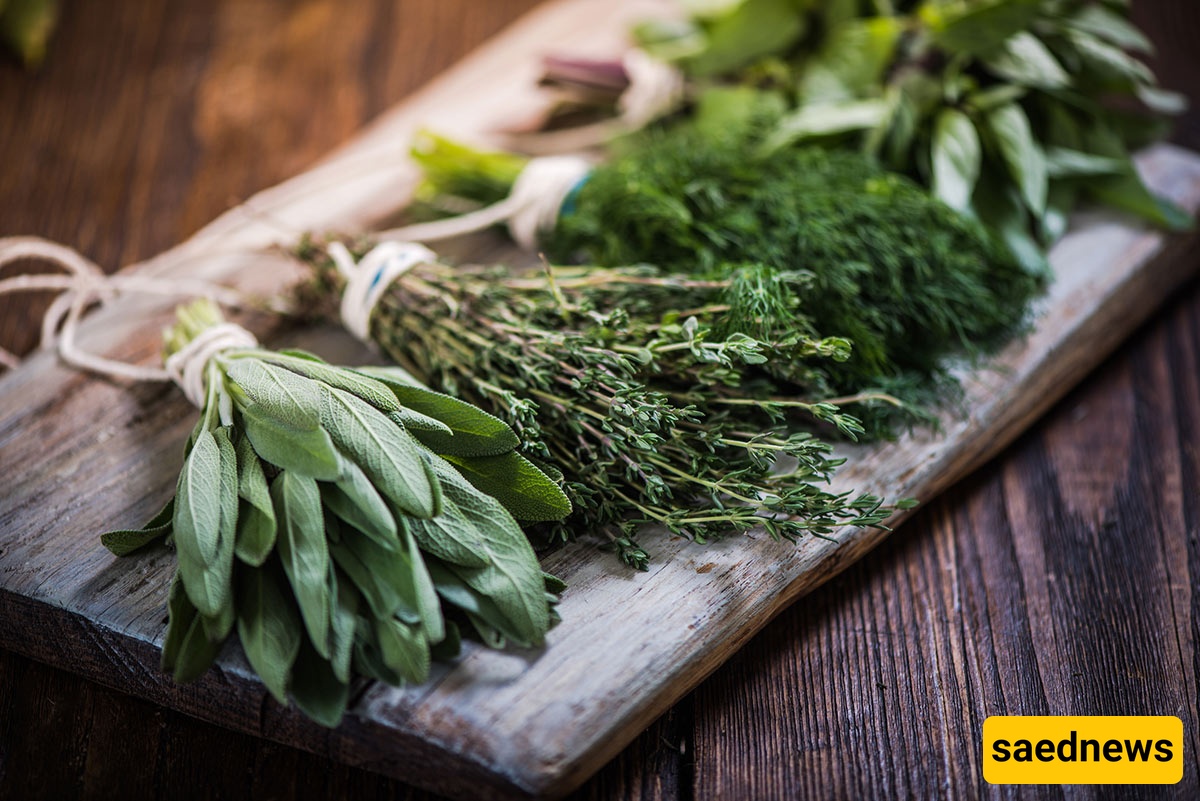
According to SaedNews, fresh herbs are one of those ingredients that can look perfect when you bring them home and disappointing only a few days later. Parsley droops, cilantro becomes slimy, rosemary dries out, and basil can turn dark in the refrigerator.
The problem is often not the herb itself. It is the storage method.
There is no single perfect way to store every fresh herb because different herbs respond differently to moisture and temperature. The most useful starting point is to divide them into two broad groups: tender, leafy herbs and hardy, woody herbs. Basil is an important exception that deserves its own rule.
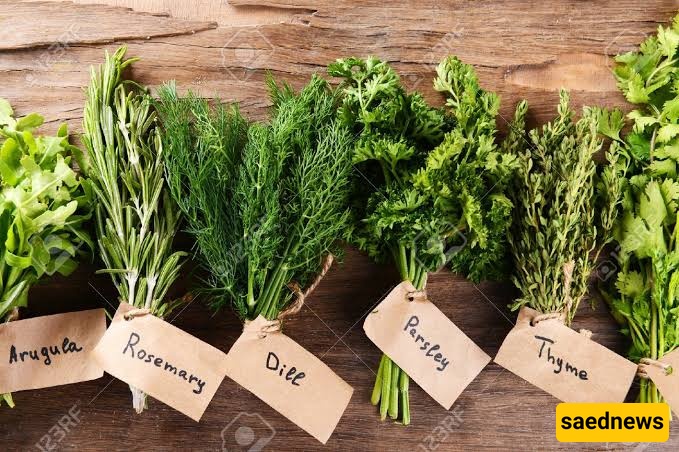
Fresh herbs lose water after they are harvested. If they become too dry, tender leaves wilt. But if they remain wet with poor airflow, excess moisture can encourage deterioration.
That creates a balancing act: keep herbs from drying out without trapping them in a damp environment.
Oregon State University Extension recommends storing cut herbs such as parsley, cilantro and mint upright in a glass of water, while also noting that overcrowding the container can accelerate decay. For some herbs, a lightly moistened paper towel inside a produce bag is another useful approach.
The European Food Information Council similarly recommends water storage for leafy herbs such as cilantro, parsley and mint, while suggesting damp kitchen paper for woody herbs such as rosemary, sage and oregano.
Parsley, cilantro, mint, dill and chives are examples of tender herbs that can lose their freshness quickly.
One practical method is to trim the ends of the stems and stand the herbs upright in a glass or jar containing a small amount of water. The stems should touch the water, while the leaves should remain above it.
A loose covering can help maintain humidity. For refrigerator storage, the University of Maine Cooperative Extension recommends a jar or glass with about an inch of water and a loose covering for cut herbs; it also notes that basil is an exception and should be kept at room temperature.
Cilantro has a similar approach. Utah State University Extension recommends keeping it refrigerated, either loosely covered with paper towels or standing in water like a bouquet, with the water changed every couple of days.
The important detail is not to submerge the leaves. Water belongs around the stems, not over the foliage.
Basil is where many otherwise sensible storage habits go wrong.
Unlike most leafy herbs, basil is particularly sensitive to cold. The U.S. Food and Drug Administration notes that basil is a tropical plant, and food-storage guidance from several extension and culinary sources recommends avoiding refrigeration for fresh basil.
Instead, trim the stems and place the basil upright in a small glass or jar with about an inch of water, much like a bouquet of flowers. Keep it at room temperature and away from direct sunlight and cold drafts.
The goal is to give the stems access to water without chilling the leaves.
This is one of the easiest rules to remember: most fresh herbs can benefit from refrigeration, but basil generally prefers the counter.
Rosemary, thyme, oregano and sage have tougher, often woody stems. They generally tolerate lower humidity better than tender herbs.
For these herbs, wrapping them loosely in a slightly damp paper towel and placing them in a suitable container or bag in the refrigerator can help maintain freshness without leaving them sitting in water.
The University of Massachusetts Amherst recommends wrapping hardy herbs in a damp paper towel and refrigerating them, while tender herbs can be placed in a jar with water.
The distinction is useful because putting a woody herb into a water-filled jar is not always the best solution. These herbs are better protected when they retain enough moisture to avoid excessive drying while still having appropriate airflow.
This is where food quality and food safety need to be considered together.
Storage recommendations vary depending on whether herbs have already been washed. The University of Maine advises washing fresh herbs under running water before use and storing washed herbs in a way that limits excess moisture.
For unwashed herbs, several storage guides recommend waiting until closer to use because residual surface moisture can accelerate spoilage.
Whatever method you choose, visible dirt should not be treated as a substitute for proper washing. The FDA recommends washing fresh produce thoroughly under running water before preparing or eating it and keeping perishable vegetables such as herbs refrigerated at 40°F (4.4°C) or below when refrigeration is appropriate.
If you do not want several jars of herbs occupying your refrigerator, a paper-towel method can simplify things.
Place the herbs on a clean, barely damp paper towel, wrap them gently, and put the bundle in a bag or container that does not trap excessive moisture. Check them periodically and remove leaves that have begun to deteriorate.
The goal is not to make the towel wet. It should provide enough humidity to slow wilting while avoiding a soggy environment.
This approach is especially practical for herbs that are already destined for the refrigerator. It also makes the bunch easy to inspect and use.
If you bought more herbs than you can use, freezing can be a better option than waiting for them to spoil.
Freezing changes the texture of fresh herbs, so thawed herbs may not be ideal as a crisp garnish. But they can work extremely well in cooked dishes, sauces, soups and other preparations where texture matters less.
The University of Massachusetts Amherst recommends freezing hardy herbs whole after washing and drying them, while tender herbs such as parsley can be frozen in ice-cube trays with water.
The European Food Information Council also lists freezing as a longer-term preservation option, including freezing chopped herbs with a small amount of oil in ice-cube trays.
So freezing is best viewed not as a way to make herbs behave like fresh herbs forever, but as a way to save their flavor for future cooking.
1. Treating every herb identically
Basil, cilantro and rosemary do not have the same storage needs. Learning the basic tender-versus-woody distinction is more useful than memorizing one universal method.
2. Trapping too much moisture
Wet leaves pressed against one another can deteriorate quickly. Moisture needs to be controlled, not simply maximized.
3. Putting basil in the coldest part of the refrigerator
Cold-sensitive basil can develop darkened leaves when exposed to low temperatures. Keeping it at room temperature is generally the better choice.
Basil: Trim stems, place in water and keep at room temperature.
Parsley: Store upright in water or use a lightly damp paper-towel method; refrigerate.
Cilantro: Store upright in water with loose protection or use paper towels; refrigerate.
Mint: Treat similarly to other tender leafy herbs; keep hydrated without soaking the leaves.
Dill and chives: Refrigeration with controlled moisture can help.
Rosemary, thyme, oregano and sage: Wrap with a slightly damp paper towel and refrigerate.
Exact storage life varies with freshness when purchased, temperature, humidity and handling, so there is no reliable single number of days that applies to every bunch. The better goal is to create conditions that slow wilting and decay and to use the herbs while they still look and smell fresh.
If you only remember one thing, make it this: do not ask how to store “fresh herbs” as though they were one ingredient. Ask what kind of herb you have.
Tender leafy herbs generally need help retaining moisture. Woody herbs need protection from drying without being kept excessively wet. Basil needs special treatment because it is unusually sensitive to cold.
Once that distinction becomes part of your kitchen routine, storing a bunch of herbs becomes less about trial and error—and more about giving each plant the conditions it actually prefers.